Giving children a head start with physical activity is one of the best things a parent can do. It sets them up for a healthy life, helping not just their bodies grow but also their minds and emotions.
You don’t need fancy gear or a strict schedule to get them moving and loving it; it’s more about finding chances for play, exploring, and having fun every day. When you weave activity into your family’s routine, you help your child build strength, confidence, and a sense of wellbeing that will stick with them for life.
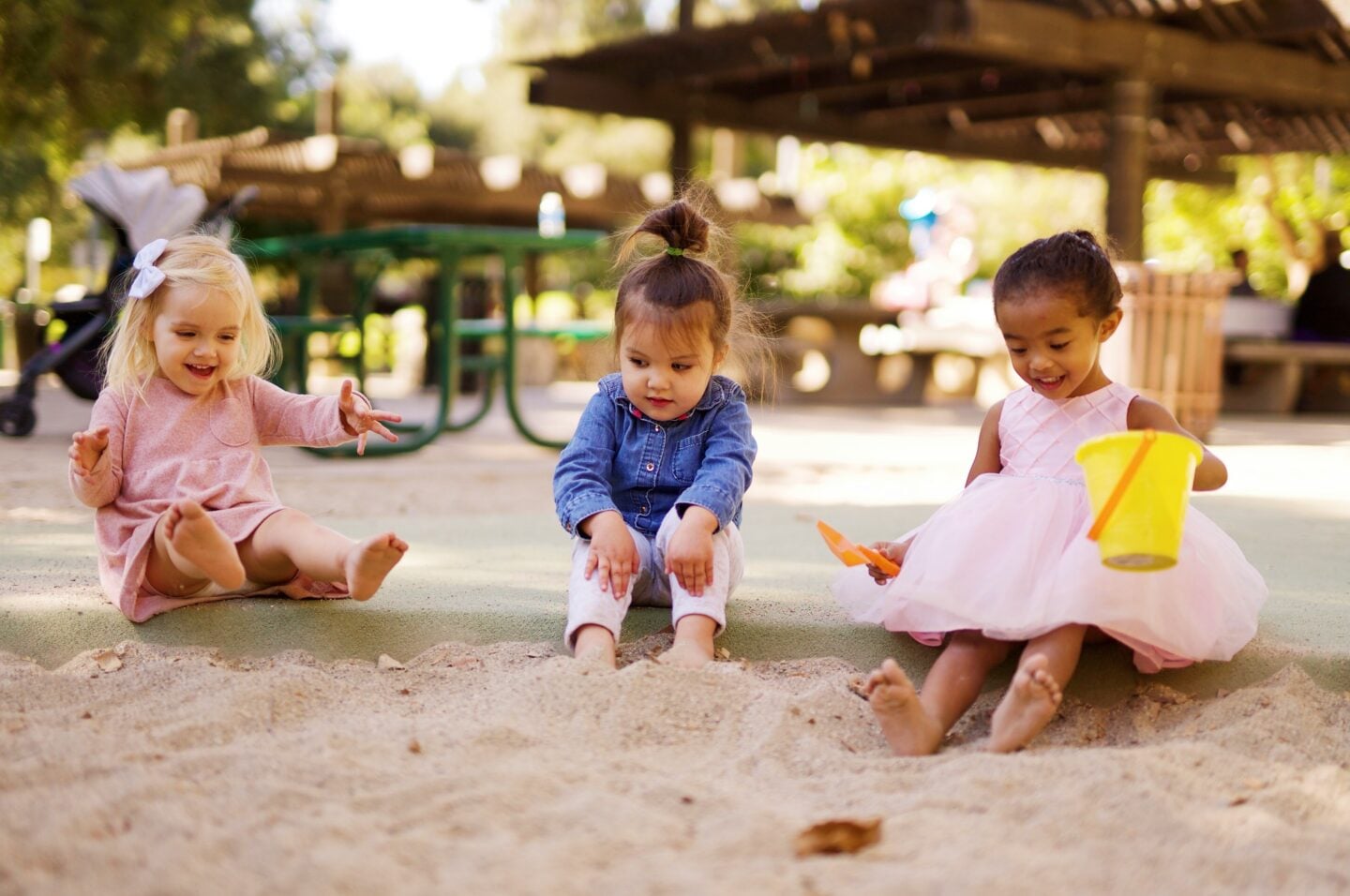
Image Credit: Unsplash
Why Early Movement Matters
From the moment they’re born, babies and toddlers learn by moving. Kicking their legs, reaching for a toy, and eventually crawling and walking are all huge steps in their development. This early physical exploration isn’t just about building muscles; it’s deeply connected to how their brain grows.
Every time a child moves, they’re strengthening brain connections, getting better at coordination, and understanding the space around them. This basic link between movement and learning is why movement matters in early childhood.
The physical benefits are usually the most obvious. Regular activity helps children grow strong bones and muscles, keep a healthy weight, and improve their heart and lung fitness. Big movements like running, jumping, and throwing get better through active play, while smaller, more detailed tasks help them refine fine motor skills, like picking up tiny objects.
Beyond the physical, movement is a powerful way for children to develop emotionally and socially. When they master a new skill, like climbing a play frame or riding a scooter, they get a huge boost in self-esteem.
Active play also lets them express feelings, burn off energy, and handle stress. Playing with others teaches them crucial social skills like sharing, taking turns, and working together. A child who feels good about their body is often more confident socially and better at bouncing back from challenges.
Creating Active Play Environments
Your home and neighbourhood can be great tools for encouraging physical activity. An active environment is one that invites movement and exploration, making it the natural choice for a child.
You don’t need a special playroom or a yard full of expensive equipment; it’s more about your approach and making the most of the space you have. The goal is to create environments that support physical development by making it easy to move around.
Indoors, this might mean simply making sure there’s clear floor space for your child to crawl, roll, and play freely. Think about a ‘yes’ space, an area where everything is safe for them to touch and explore.
Soft things like cushions, blankets, and pouffes can become mountains to climb or a soft spot for tumbles. A sturdy box with active toys like soft balls, beanbags, scarves for dancing, and a pop-up tunnel can quickly turn a quiet afternoon into an adventure.
Outside offers even more chances. A trip to the local park is fantastic for encouraging running, climbing, and swinging. Even a small garden or yard can become a hub of activity with a few simple additions.
A bucket of water and some paintbrushes can keep a toddler happily ‘painting’ fences for ages, while chalk can be used to draw a hopscotch grid or a racetrack on the pavement, or you could enrol them in toddler football classes. These simple, open-ended resources often work much better at getting kids to play physically than complicated toys.
The Benefits Of Structured Activities
While free, unstructured play is vital for creativity and exploring independently, structured activities also offer unique benefits. These are sessions led by an adult, with a specific aim or skill in mind.
They provide a routine and a clear framework that can be very comforting for young children. Following instructions, waiting for a turn, and working as part of a group are all important life skills that grow in these settings.
Structured activities introduce children to specific skills in a safe, supportive environment. For example, swimming lessons teach water safety and stroke technique, while gymnastics classes build core strength, balance, and flexibility. Experts design these classes, understanding how to break down complex movements into easy steps for little ones.
Group activities are especially good for social development. They give children a chance to interact with their friends outside of nursery or family, building new friendships and learning how to cooperate.
They learn to run, kick, and coordinate their movements, all while having fun with other children in a positive and encouraging atmosphere. This early exposure to organised sport can spark a lifelong love of being active.
Making Fitness Fun And Engaging
For a child to develop a lasting positive relationship with physical activity, it needs to feel like joy and play, not pressure or performance. The trick is to make movement seem like a fun part of the day rather than a chore. When children are having fun, they’re more likely to stay engaged and want to do it again. Luckily, there are countless ways to promote physical play and make fitness feel like a game.
One of the easiest ways is to weave movement into your daily routine. Put on some music and have a five-minute kitchen disco while waiting for dinner. Turn a walk to the shops into an adventure by going on a scavenger hunt for different coloured cars or interesting leaves. Simple ideas can make a big difference:
- Build an obstacle course: Use cushions to crawl over, a blanket to crawl under, and a line of tape on the floor to balance on.
- Play animal walks: Challenge your child to move like different animals: stomp like an elephant, hop like a frog, or waddle like a penguin.
- Have a balloon match: Keep one or two balloons up in the air without letting them touch the floor. It’s a simple game that gets everyone moving and laughing.
- Go on a nature walk: Head to a local wood or park and encourage climbing over logs, splashing in puddles, and running up gentle hills.
Many childcare programs use these techniques to boost physical activity during the day, and they work just as well at home. The best activities are often the simplest ones that spark a child’s imagination and let them move their bodies freely.
Parental Involvement In Play
Your attitude towards physical activity really influences your child. When they see you enjoying movement and making it a priority, they’re much more likely to think the same way. Being an active role model doesn’t mean you have to be a star athlete; it just means joining in the fun. Getting involved in your child’s play is one of the most powerful ways to encourage them.
This shared time is precious, creating happy memories and showing your child that they are important to you. Your enthusiasm is contagious. A simple “Wow, what a great kick!” or “You’re running so fast today!” can do wonders for a child’s confidence and motivation.
Finding the time and energy to be an active parent can be tough, especially with work and home life demands. The key is to start small. You don’t need to spend hours on structured exercise. A ten-minute game of catch in the garden after school or a walk to the post box instead of driving can make a real difference.
The goal is to show that movement is a normal and enjoyable part of everyday life. By participating with a positive and playful spirit, you help your child build a foundation of physical confidence that will support their wellbeing for years to come.
Thanks for stopping by!
Magda
xoxo
<3