Kids can get weirdly attached to the smallest stuff. A smooth stone from a walk. A receipt they “won” at the store. A note you scribbled on a sticky pad and forgot about. And somehow, that tiny thing becomes important.
That attachment is meaning taking shape. They are taking a feeling and giving it a shape.
When you lean into that, gifts and keepsakes stop being “things you buy” and start becoming tools. Tools for helping your child notice what they have, be grateful for it, and value it.
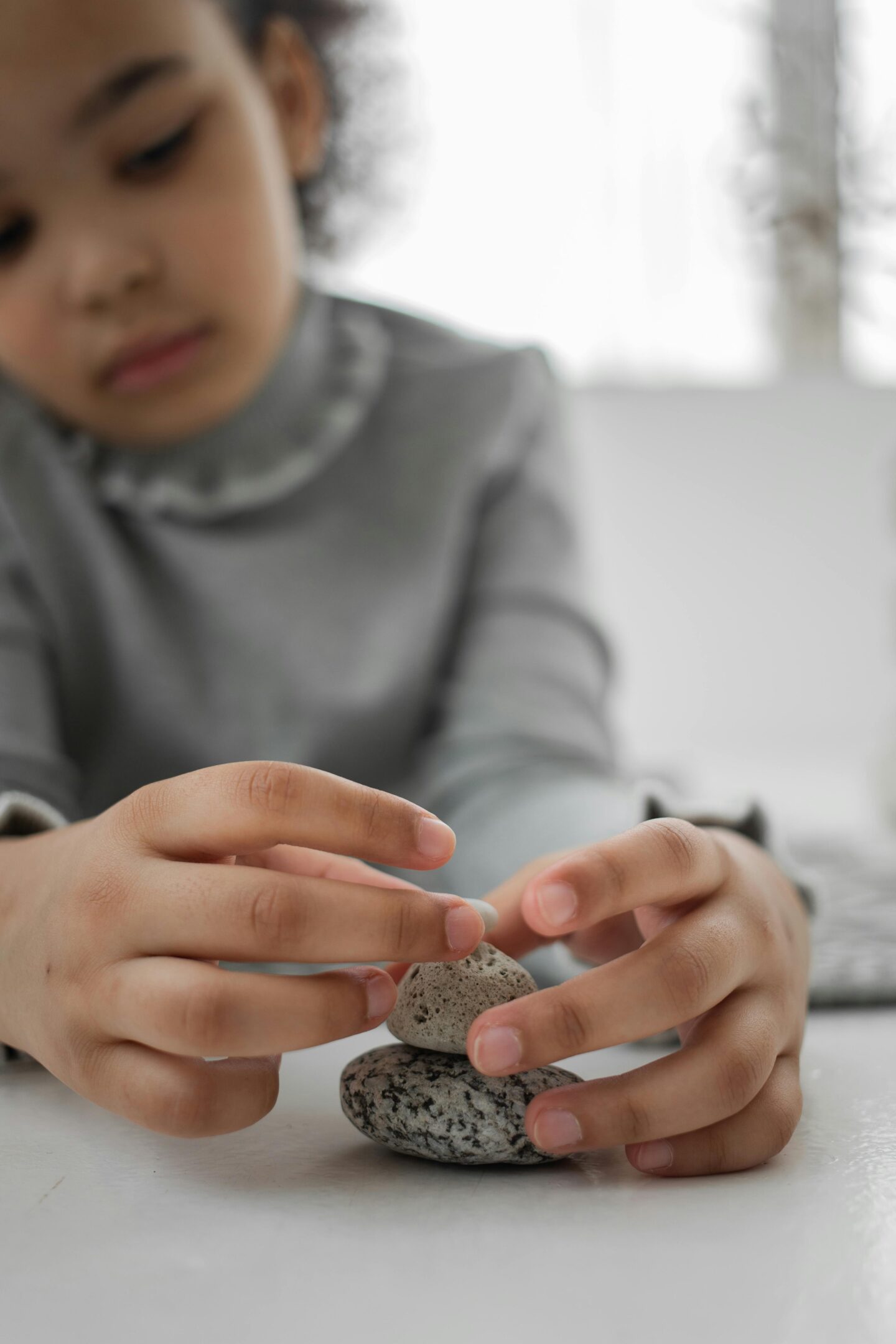
The Role Of Symbolism In Childhood Development
Kids learn with their hands before they learn with big explanations. They touch, hold, repeat. And then, somewhere along the way, they start using objects as shortcuts for meaning.
That is symbolism, plain and simple. An object points to something bigger than itself.
You see it all the time. A team shirt is not just fabric. It can mean, “I belong.” A sticker from the dentist can mean, “I was brave even though I hated it.” A rock from a hike can mean, “That day felt good. I want to remember it.”
Symbols help children build identity and values because kids are still figuring out who they are. They borrow meaning from what you name and what you repeat. So if you say, “This bracelet reminds you that you kept going,” you are giving them language for resilience, not just jewelry.
Symbols also help with comfort. Like how some children have an “anchor” item they reach for. That one toy, that blanket, that old hoodie. It’s comfort they can hold, especially when everything else feels unfamiliar.
Symbols also work through repetition. A short prayer before bed. Writing thank you notes after birthdays. The items involved become cues that pull your child back to your family’s values, even when they are tired or distracted.
Keepsakes As Teaching Tools In Family Life
Keepsakes are just ordinary objects that have been upgraded by a story. A birthday card. A photo strip. A ticket stub. The first drawing they ever made that actually looks like a person. These things mark growth, milestones, and seasons of life.
They also create a challenge. Kids can want to keep everything, and you can end up with piles you resent. Or you swing the other way, you toss things quickly, and your child feels like their memories do not matter.
The middle ground is giving keepsakes a clear home and a simple rule. A small box, a folder, a shelf. Then you make choosing part of the rhythm. If they want to keep everything, stay calm and guide the decision. Ask, “Which one tells the story best?” You are teaching discernment without dismissing feelings.
Another trick that helps is letting keepsakes be used, not buried. A framed drawing can go on the wall. A concert wristband can be taped into a journal with two sentences about the day. When keepsakes have a simple ritual, they stay meaningful, and you avoid piles that nobody looks at later as they grow.
Encouraging Mindfulness Through Thoughtful Choices
Fast gift giving teaches kids that more is the goal. Mindfulness helps you slow down and teach your child to value meaning over excess.
Start with how you give. When you hand over a gift, say your reason in one sentence. Not a speech. Just a clear why. “I got this because you’ve been practicing, and I see your effort.” Or, “I picked this because it matches what you love doing.” That tiny habit trains your child to look for intention instead of price tags.
Receiving matters too. Encourage your child to name what the gift helps them do or remember. Rather than making your child “say thank you” on cue, slow it down and get them thinking. Ask something simple like, “What does this make you think about?” A birthstone bracelet can hold onto the memory of a birthday, the feeling of growing up, and who celebrated with them.
You can also pair gifts with something that is not a purchase. Pancakes together. A walk after dinner. Reading a chapter each night for a week. Shared time quietly teaches that love is not measured by volume.
Then practice giving in the same spirit. Let your child help buy a small gift for someone else with a clear goal. “Pick something that shows you really know them.” Talk through it like a real conversation. “What do they like? What would make their day easier or happier?” That is empathy training dressed up as shopping.
Faith, Reflection, And Everyday Reminders
If faith is part of your home, symbolic items can support reflection, prayer, and values in a grounded way. The goal is not to treat objects like they have special powers. The goal is to let them point back to what you already believe and practice.
Small traditions work because they are simple. A short prayer before school. A gratitude jar on the counter. A bedtime check-in where you name one good thing and one hard thing. That last one matters because it teaches your child that gratitude does not erase disappointment. It sits beside it.
Holidays can also become practice. Valentine’s Day often turns into candy and pressure. You can reshape it. If you’re giving Valentine’s Day jewelry, don’t frame it as a one-day thing. Make it a little symbol of steady love. Then connect it to something practical, writing a kind note, or gifting a lonely classmate. The item becomes a reminder of what love looks like.
Even in a non-religious home, reflection still matters. You can do it by checking in. Two minutes at night. “What went well today? What felt tough? What are you thankful for?” Kids learn perspective through repetition.
Passing Down Stories, Not Just Things
A keepsake without a story is just an object. A story gives it roots. Kids need the “why” behind the meaningful things in your home, or they will miss the lesson.
Tell stories in concrete details. Instead of “Grandma was generous,” say, “Grandma always saved extra food so guests never left hungry.” Specific stories make values real.
Invite your child into storytelling, too. When they want to keep something, ask what it means to them. You will learn a lot, and they will practice naming feelings and reasons. That helps them make better choices later.
Over time, that skill becomes character. They learn to keep what matters, release what does not, and notice the blessings that were there all along.
Conclusion
Thoughtful gifts and everyday blessings shape your child’s perspective over time. When you slow down, name the meaning, and connect objects to values, you help your child build gratitude that is practical and steady.
Pick one small step today. Choose one object in your home and tell its story at dinner. Start a two-minute gratitude habit that feels doable. Then pay attention to the next time your child chooses meaning over excess, and say it out loud. That is how these lessons land and stay.
Thanks for stopping by!
Magda
xoxo
<3