In an era dominated by instant streaming and algorithm-driven playlists, it might seem counterintuitive that vinyl records – a format many once considered obsolete – are experiencing a powerful resurgence. Yet, over the past decade, vinyl has not only returned but has carved out a thriving niche in both lifestyle culture and the broader music business. What’s driving this revival isn’t just sound quality or retro appeal – it’s something deeper: nostalgia packaged as an experience.
From independent record shops to global e-commerce platforms, vinyl records are proving that old formats can find new life when they align with modern consumer values. This resurgence offers valuable insights into how nostalgia can be transformed into a profitable, sustainable business model.

The Emotional Power Of Nostalgia
At its core, the vinyl boom is fueled by emotion. Nostalgia connects people to specific moments in time – childhood memories, cultural milestones, or even eras they never personally experienced but idealize. Vinyl records serve as tangible artifacts of those feelings.
Unlike digital music, which is intangible and often consumed passively, vinyl invites intentional listening. The act of placing a record on a turntable, lowering the needle, and listening from start to finish creates a ritual. This ritual fosters a deeper emotional connection to music, which many listeners feel has been lost in the age of streaming.
For businesses, this emotional pull is incredibly valuable. Products that evoke feelings – especially positive, comforting ones – tend to inspire stronger customer loyalty and repeat purchases.
Experience Over Convenience
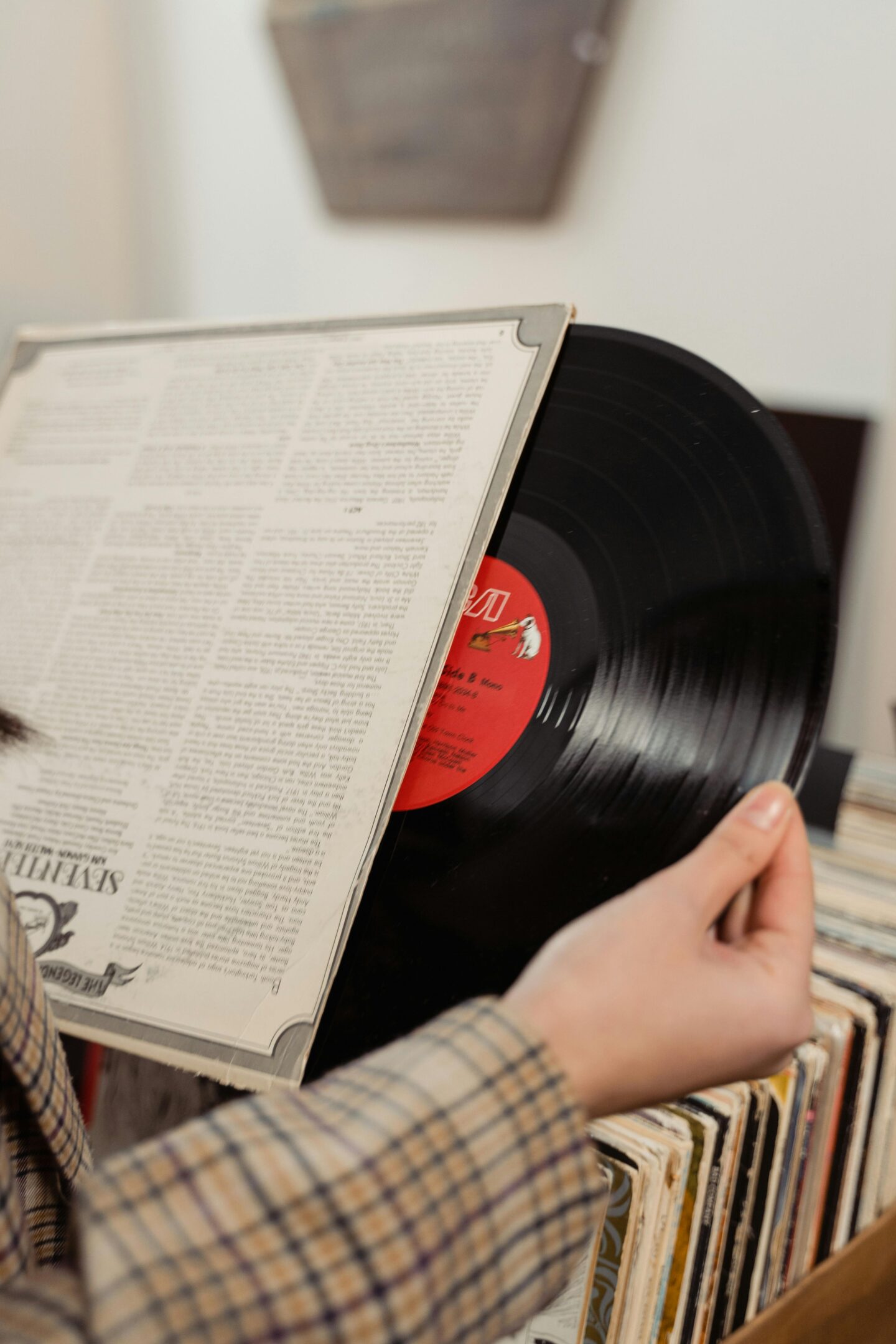
Streaming platforms win on convenience, but vinyl wins on experience. Today’s consumers, particularly Millennials and Gen Z, are increasingly prioritizing experiences over pure functionality. Vinyl records offer a multisensory experience: the visual appeal of album artwork, the tactile feel of the record, and the distinct analog sound.
This shift reflects a broader lifestyle trend. People are seeking ways to slow down and be more present. Vinyl fits seamlessly into this mindset, turning music consumption into a deliberate, almost meditative activity.
Brands that recognize this trend are capitalizing on it. They’re not just selling records – they’re selling moments, rituals, and identity.
The Rise Of Collectibility And Scarcity
Another major driver of vinyl’s success is its inherent collectibility. Limited pressings, colored vinyl variants, and special edition releases create a sense of scarcity that digital products simply cannot replicate.
Scarcity increases perceived value. When customers feel they’re purchasing something rare or exclusive, they’re more likely to act quickly – and often, they’re willing to pay a premium.
This strategy mirrors successful tactics in other industries, such as streetwear and luxury goods. By positioning vinyl records as collectible items rather than just music carriers, businesses can elevate their offerings and create a sense of urgency around purchases.
A New Generation Of Vinyl Buyers
Interestingly, the vinyl revival isn’t driven solely by older generations revisiting their past. A significant portion of vinyl buyers today are younger consumers who grew up in the digital age.
For them, vinyl represents authenticity. It’s a break from the ephemeral nature of streaming and the overload of digital content. Owning a physical record feels more personal and meaningful than adding a song to a playlist.
This generational shift has opened new opportunities for artists and retailers alike. Albums are now being designed with vinyl in mind, featuring elaborate packaging, lyric booklets, and artwork that enhances the overall experience.
Even contemporary releases are benefiting from this trend. For example, fans seeking a more immersive way to enjoy modern music can explore options like Lorde’s Virgin on vinyl, which blends current artistry with a classic format.
Independent Retail And The Vinyl Ecosystem
The vinyl boom has also revitalized independent record stores, many of which struggled during the rise of digital music. Events like Record Store Day have played a significant role in this resurgence, drawing crowds and generating excitement around exclusive releases.
These stores offer something that online platforms often cannot: community. They serve as cultural hubs where music enthusiasts can discover new artists, share recommendations, and connect over a shared passion.
At the same time, e-commerce has expanded the reach of vinyl retailers. Online stores make it easier than ever for consumers to access a wide range of records, from rare classics to new releases. This hybrid model – combining physical spaces with digital accessibility – has strengthened the overall vinyl ecosystem.
The Business Lessons Behind The Revival
The success of vinyl records offers several key lessons for businesses across industries:
1. Nostalgia Sells – But It Must Be Authentic
Consumers can quickly detect when nostalgia is being used superficially. The vinyl industry succeeds because it delivers a genuine experience, not just a retro aesthetic.
2. Tangibility Matters In A Digital World
As more aspects of life move online, physical products gain new value. They provide a sense of ownership and permanence that digital alternatives lack.
3. Storytelling Enhances Value
Every vinyl record tells a story – not just through music, but through its design, packaging, and cultural significance. Businesses that incorporate storytelling into their products can create deeper connections with their audience.
4. Community Builds Longevity
The vinyl revival isn’t just about products; it’s about people. Communities – both online and offline – play a crucial role in sustaining interest and engagement.
Sustainability And Conscious Consumption
Another factor contributing to vinyl’s popularity is the growing emphasis on mindful consumption. While vinyl production has its environmental considerations, many consumers view purchasing records as a more intentional choice compared to endless streaming.
Instead of passively consuming vast amounts of content, vinyl encourages listeners to invest in albums they truly value. This aligns with a broader shift toward quality over quantity – a trend that many businesses are beginning to embrace.
Brands that position their products as meaningful, long-lasting purchases rather than disposable items are more likely to resonate with today’s consumers.
The Future Of Vinyl In A Digital Age
Despite its growth, vinyl is unlikely to replace streaming – and it doesn’t need to. Instead, it occupies a complementary role. Streaming offers accessibility and convenience, while vinyl provides depth and experience.
This dual-consumption model reflects a broader pattern in consumer behavior: people don’t always choose one option over another. Instead, they integrate multiple formats into their lives based on context and mood.
For the music industry, this means continued opportunities for innovation. Artists can release music digitally for immediate access while offering vinyl editions for dedicated fans seeking a richer experience.
Closing Thoughts
The resurgence of vinyl records is more than just a trend – it’s a reflection of evolving consumer values. In a fast-paced, digital world, people are increasingly drawn to products that offer authenticity, tangibility, and emotional connection.
For businesses, the lesson is clear: nostalgia, when paired with genuine value and thoughtful execution, can be a powerful driver of growth. Vinyl records have shown that even in the most modern markets, there’s still room for the past – especially when it’s reimagined for the present.
Thanks for stopping by!
Magda
xoxo
<3