People collect things over time: clothes, furniture, devices, decorations. Every object adds a small burden. At first, it feels normal. Then it grows. You start to notice it when you move something to reach something else, when you spend your weekend organizing what you do not use. When your home stops feeling peaceful.
Too much stuff does not equal success. It equals distraction. The space you live in affects the way you think. When that space is crowded, your focus weakens – your mood shifts. Many people report feeling calmer after decluttering their homes. A study by UCLA’s Center on Everyday Lives of Families found that high levels of clutter are linked to higher cortisol levels, a marker of stress.
Owning less does not mean missing out. It means getting your time, money, and clarity back.

The Psychology Of Letting Go
People attach meaning to objects. A sweater can hold a memory. A book can represent who you want to be. This emotional tie is the main reason downsizing feels difficult. You think you are losing a part of yourself. You are not. You are separating your identity from your possessions.
When you reduce the number of things around you, your brain processes less information. You make faster decisions. You feel less pressure to maintain appearances. You start to understand what matters and what does not.
Researchers at Princeton University found that physical clutter competes for your attention, reducing performance and increasing stress. Letting go of excess items is not only a physical act but also a mental one. It creates space for better thoughts.
The Practical Freedom Of Downsizing
A smaller home means smaller bills. Fewer things mean less maintenance. Lower costs mean more freedom. Many people who downsize find they save between 20 and 50 percent of their monthly expenses. That money can go toward travel, savings, or debt reduction.
Downsizing also brings flexibility. You move more easily. You make decisions faster. You stop being tied to a place or an image. Your home becomes a tool, not a symbol.
Think about your time. How much of it do you spend cleaning, organizing, or repairing? Living with less means fewer chores and fewer frustrations. It gives you time to focus on work, health, and people.
Downsizing does not always require a significant move. You can start where you are. Sell what you do not use. Store what you value. Live with what serves a purpose.
Decluttering: The First Step Toward Freedom
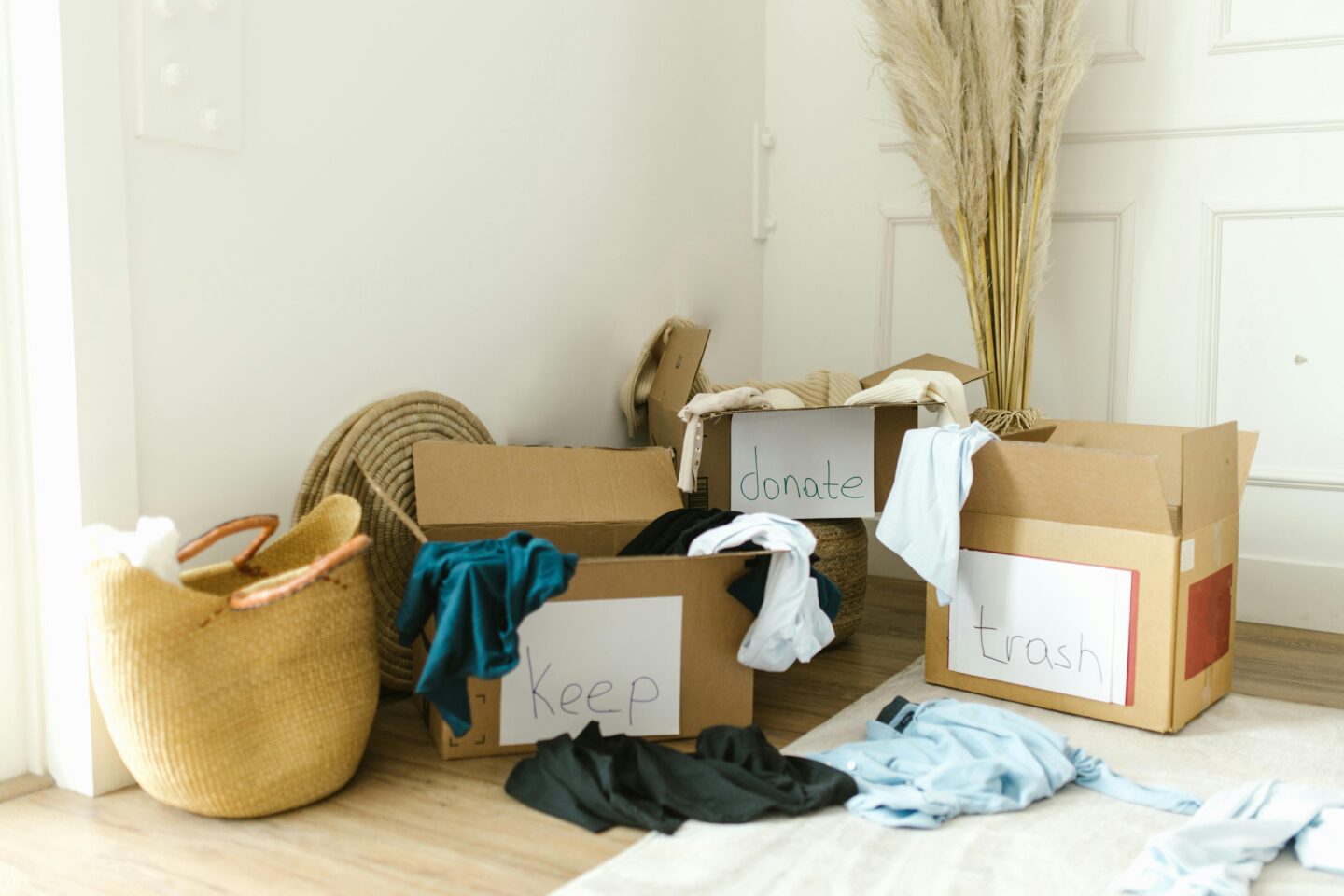
Before you think about moving, start with decluttering. It is the foundation of a simpler life. Start small. Pick one area at a time: a drawer, a shelf, or a closet. The goal is progress, not perfection.
Ask yourself two questions about every item. Do I use it? Does it add value to my life? If the answer is no, let it go. Donate, recycle, or sell it. Someone else might need it more than you do.
Be realistic. You do not need duplicates of tools or clothes. You do not need to keep gifts out of guilt. Every object you remove lightens your load.
Data from the National Association of Productivity and Organizing Professionals shows that 54 percent of Americans feel overwhelmed by clutter, and 78 percent have no strategy to deal with it. Decluttering is not a trend. It is a discipline.
When your surroundings are simpler, your choices become easier. You think clearly and move faster. This shift often motivates people to make changes in other areas, too, such as diet, spending, and work habits.
Moving: Turning Downsizing Into A Fresh Start
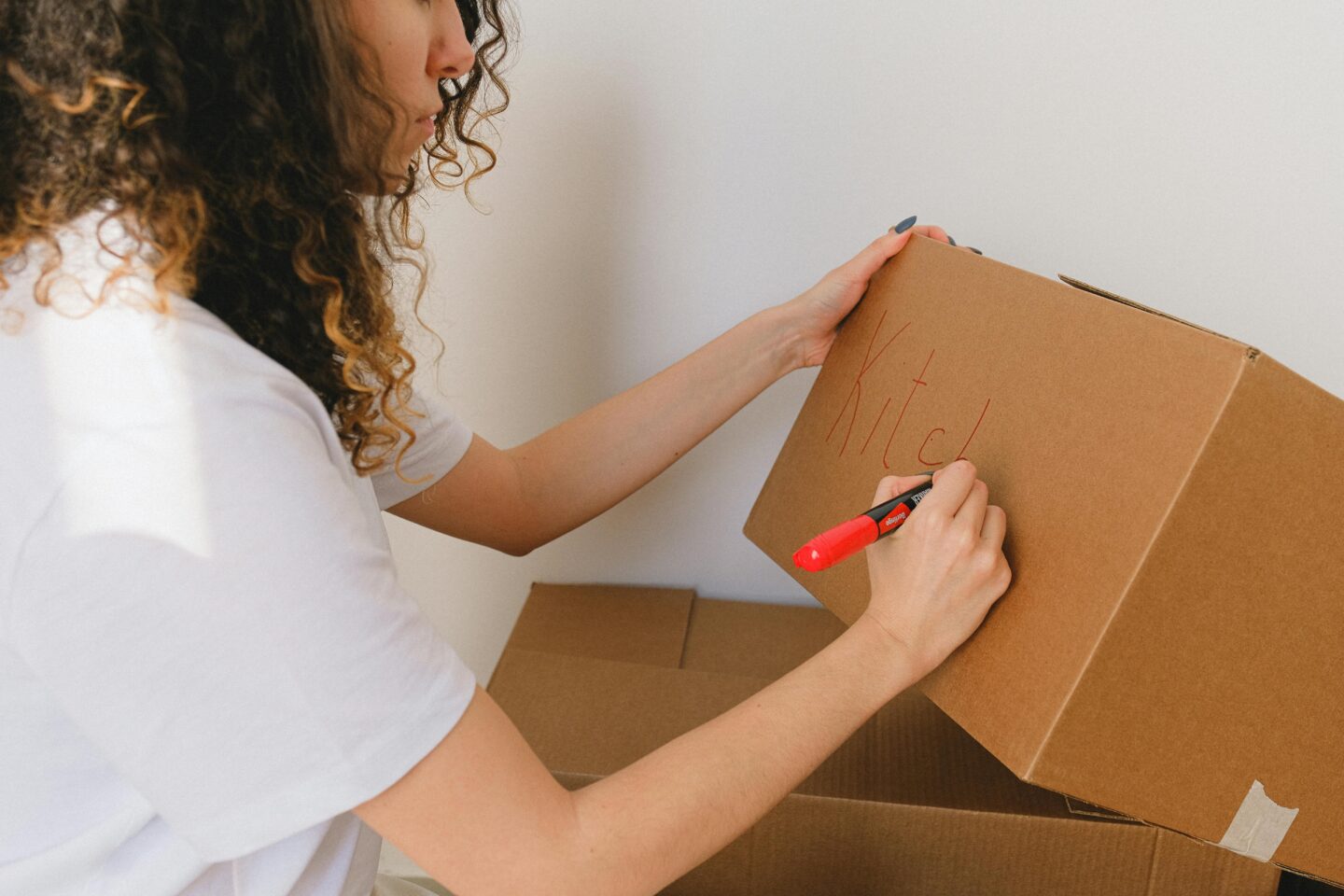
Once you have reduced what you own, moving becomes simpler. The process stops being a source of stress. It becomes a step toward stability.
When choosing a smaller space, focus on function. Every item should have a purpose and a place. Quality matters more than quantity. Invest in durable furniture that fits your needs. Avoid filling space for the sake of it.
Plan your new layout before the move. Measure rooms. Choose storage that keeps surfaces clear. A smaller home works best when it supports your lifestyle. If you’re relocating across the state or country, working with experienced long-distance movers can make the transition smoother and more efficient, allowing you to focus on building your new space instead of worrying about logistics.
The emotional shift is essential. Moving often feels like closing a chapter, but it also opens one. You are not losing space. You are gaining freedom from upkeep, rent, and noise. You are deciding what kind of life you want to live.
A 2022 study by the National Association of Realtors found that 53 percent of people who downsized were happier within six months of moving. They reported better sleep, lower stress, and stronger finances.
Downsizing is not about shrinking your life. It is about focusing on it.
Living With Less, Gaining More

Once you live with less, daily life becomes simpler. You know where everything is. You waste less time. You spend less money. You stop buying out of habit.
Your home feels lighter, you clean faster, and you feel more in control of your environment. That sense of control builds confidence, and you become more deliberate with your choices.
You also start to value experiences over objects. Many people who downsize use their savings to travel, learn new skills, or spend time with family. These moments add more meaning than material items ever could.
Living with less is not about austerity. It is about clarity. You remove noise and focus on the essentials. You stop chasing more and start maintaining enough.
Redefining Enough
Enough is not a fixed number. It changes with your priorities. When you stop measuring success by what you own, you start measuring it by how you feel.
Ask yourself what you want more of: peace, time, money, or freedom. Then remove what blocks it. Often, the answer lies in owning fewer things.
Downsizing is not a loss. It is a reset. It is a decision to take control of your space, your finances, and your future.
The freedom of less is not a theory. It is a practice. You start by letting go of what does not serve you. You continue by choosing what adds real value. Over time, you realize you never needed more room. You needed more purpose.
Thanks for stopping by!
Magda
xoxo
<3