When we think about mental health facilities, it is easy to focus on therapy rooms, medication management, or staff training. But there’s one element that quietly plays an integral role in the overall well-being of patients and residents – dining furniture.
Aside from eating meals, the dining room is a place where people come together, build routine, and can experience moments of calm and peace.
While it might come as a surprise to you, the furniture used in these spaces can either support or hinder recovery. That’s why we’ve put together this post to highlight how selecting thoughtfully chosen dining furniture can make a big difference in mental health settings.
About Psychiatric Health Dining Room Furniture
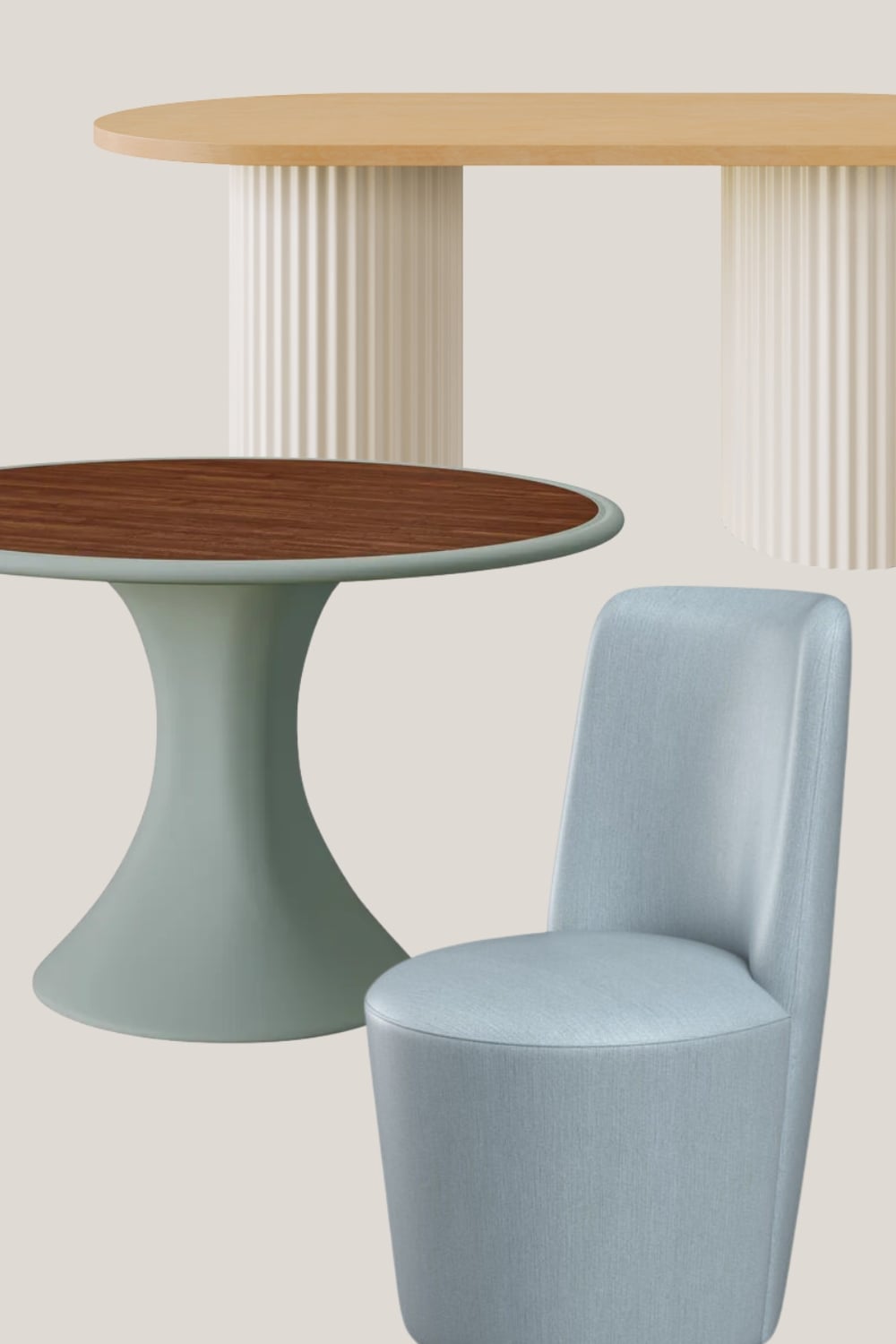
Psychiatric health dining room furniture differs from regular dining tables and chairs because it is purpose-built for mental health settings where patients might be at a high risk of self-harm or aggressive behaviours.
Typically, these furniture pieces come with a host of savvy features that are designed to provide patients with a greater level of safety and comfort. They include rounded edges, anti-ligature construction, and stabilised weights that prevent it from being tipped over.
Why Do Dining Spaces Matter In Mental Health Settings?
Within mental health spaces, the dining room is often the social hub of the facility.
It is, of course, primarily a place for patients to eat. However, as they can enjoy shared meals, it also encourages social interaction, which helps to create a sense of community.
In addition, it provides structure, because for many people in long-term care or recovery, mealtimes can be one of the few constants in their otherwise unpredictable routine. That is why having comfortable, well-designed dining furniture is important. It allows people to relax and engage during these times rather than feel anxious or overstimulated.
Ultimately, the more welcoming and safe a space feels, the more it will encourage people to spend time in it, which can be very beneficial to their mental health.
Furniture As A Therapeutic Tool
Furniture might seem like a background detail in the general scheme of things, but within mental health spaces, it can actually become part of the therapeutic toolkit.
For instance, ergonomically designed chairs and appropriately sized tables can help to reduce physical discomfort and agitation, especially during longer mealtimes. Moreover, materials that reduce noise, such as cushioned seats or laminated surfaces, can also prevent sensory overload. This is particularly common in patients with anxiety, PTSD, or autism.
Perhaps most importantly, though, this furniture is an integral component in maintaining patient dignity. That is because, when people are surrounded by environments that feel considered and calm, it generally reinforces a message that they’re valued and respected.
Key Features To Look For In Mental Health Dining Furniture
When selecting dining furniture for mental health settings, safety, comfort, and durability are, of course, absolutely paramount.
A good starting point is to look for pieces with rounded edges and corners that will minimise the risk of injury, especially in high-stress environments. In this respect, anti-ligature designs are vital as they prevent self-harm by eliminating points where objects could be tied or looped.
The furniture should also be weighty and stable to prevent it from being tipped over, and have non-removable parts that provide added safety. It would also be beneficial if surfaces were resistant to wear and easy to clean. Pieces made with laminate or sealed finishes are ideal as they can withstand more frequent sanitisation.
You’ll definitely want to ensure that the furniture does not have a cold or institutional feel about it. Instead, choosing warm-toned materials and homelike designs can help patients feel more comfortable and less like they’re in a clinical setting.
Why Furniture Layout Is Important In Mental Health Settings
It’s not just the furniture itself that matters within mental health spaces, but also how it’s arranged that is important.
For instance, having too many tables crammed together can feel chaotic or claustrophobic for someone dealing with anxiety or sensory issues.
On the other hand, leaving spaces between the tables and chairs will allow patients to enjoy more personal space, an easier degree of movement, and a much calmer atmosphere.
Generally speaking, open layouts tend to feel more airy and inclusive. Moreover, if they feature soft lighting, natural materials, and calming colours, these spaces may enhance the therapeutic effect even further.
Why A Homely Environment Is Key

A growing trend in mental health care is to design environments that feel more like a home than a hospital environment. This is something that is especially important to create in long-term mental health facilities, group homes, and residential care for young people.
By using warm wood tones, soft textures, and residential-style furniture, designers can help develop spaces that feel nurturing rather than clinical. They can also ensure that dining tables become places for conversation and laughter, and not just somewhere for mealtimes.
An approach like this can help patients to feel more connected to everyday life. It can also help expedite a patient’s recovery and reintegration.
Thanks for stopping by!
Magda
xoxo
<3