Civilisations have been using technologies to capture the energy of the wind for literally thousands of years. While for a long time, that was limited to sailing boats and a range of agricultural practices, since the late 1990s, it has increasingly been used to create electricity as well.
Wind turbine technology continues to advance at a rapid rate, and if you operate some kind of wind energy system, it’s important that you’re able to benefit from these advances. From higher capacity to low wind solutions, here are a few developments to be aware of in 2025.
Larger Turbines
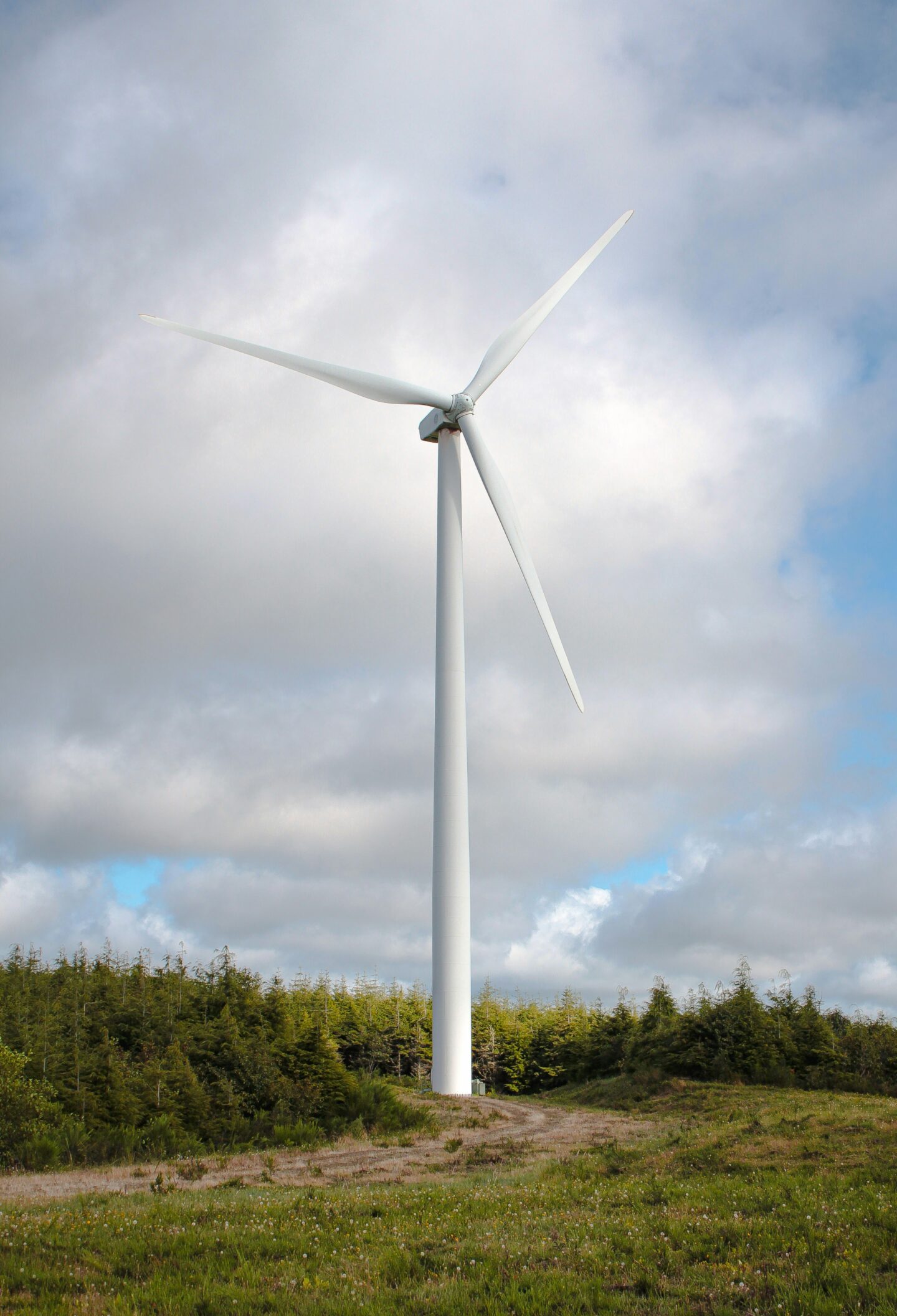
A general trend that has been ongoing for decades now is the emergence of larger and larger turbines. As capacity and efficiency both increase, we’re seeing larger and larger machines being installed by providers like AIS Wind Energy that result in a lower cost per kilowatt hour.
While the biggest turbines are primarily located on offshore locations where space is less of an issue, we’re also seeing larger onshore turbines in some locations.
Low Wind, Low Noise Solutions
One of the main issues with conventional turbines is that they struggle in low wind and urban environments. To solve this issue, innovators have come up with designs that function well in low and multi-directional winds typical of urban environments, while also putting out minimal noise.
An example of this is the O-Wind turbine, but there are plenty of other examples besides. It’s worth keeping an eye on these, especially if you’re looking for a model that’s suitable for urban application.
Increased Durability
Due to the fact that turbines are exposed to immense forces and extreme weather patterns, they can require a lot of ongoing maintenance. To minimise this, we’re seeing a lot of work being done developing more durable components that resist everything from corrosion to stress fractures.
These will likely make running wind turbines both cheaper and less of a hassle, and it’s worth implementing these kinds of solutions as they become commercially viable.
Material Sustainability
Wind turbines tend to have a life span of around 20-25 years, and as a result, it’s important to start planning for their end-of-life disposal right from the beginning.
While some components – especially metal ones – are relatively easy to recycle, others, such as the predominantly fibreglass blades, are a lot more difficult to dispose of.
We’re seeing a lot of work being done both to find alternative, more sustainable materials, and to find ways to dispose of existing materials. It’s worth looking into these innovations and disposal practices right from the beginning stages of planning a wind turbine project, so that you don’t inadvertently commit to components that are difficult to navigate later on.
Wind energy is already dominating the sustainable energy sector, and that dominance is only set to continue. It’s worth keeping up to date with the latest innovations to hit the market, whether you’re running your own wind farm or are simply interested in remaining involved from the sidelines as an investor.
Thanks for stopping by!
Magda
xoxo
<3