Earwax, or cerumen, is a natural substance produced by the body to protect and lubricate the ear canal. While it plays a crucial role in ear health, excess wax can lead to a range of issues that can affect hearing and comfort. Understanding these common ear problems is essential to maintaining overall auditory well-being.

The Role Of Earwax
Before delving into the complications caused by excess wax, it’s important to appreciate why the body produces it. Earwax serves several purposes:
- Protection: It acts as a barrier against dust, debris, and microorganisms.
- Lubrication: Earwax helps keep the skin inside the ear canal moist, preventing dryness and irritation.
- Cleaning: As it naturally migrates out of the ear, it carries with it trapped dirt and dead skin cells.
Despite its beneficial roles, some people produce more earwax than necessary, leading to blockage and other related issues.
Common Ear Issues From Excess Wax

When earwax builds up, it can create a variety of problems that might necessitate intervention. Here are some common ear issues associated with excessive wax accumulation:
1. Hearing Loss
One of the most immediate effects of excessive earwax is temporary hearing loss. When wax obstructs the ear canal, it can muffle sounds, making it difficult to hear conversations or environmental noises. This form of conductive hearing loss can often be reversed by clearing the blockage. Note that there are professional ear cleaning options in London.
2. Earache and Discomfort
Blockages caused by an accumulation of earwax can lead to a pressing sensation within the ear, often described as discomfort or earache. This type of pain might be intermittent but can become more pronounced if left untreated.
3. Tinnitus
Tinnitus, the perception of ringing or buzzing in the ears, can also be exacerbated by increased earwax. The presence of excess wax can irritate the inner ear, leading to sensations of sound that are not actually present.
4. Balance Issues
Earwax doesn’t just affect hearing; it can also interfere with balance. The inner ear contains structures that help regulate balance, and a build-up of wax can affect this system, resulting in dizziness or a feeling of imbalance.
5. Infection
In some cases, excessive wax can trap moisture in the ear canal, creating an environment conducive to bacterial growth. This can lead to infections, which may manifest as pain, redness, swelling, or discharge from the ear.
How To Address Earwax Issues
If you are experiencing earwax-related issues, it’s important to handle them appropriately. Here are some general suggestions:
1. Avoid Cotton Swabs

A common misconception is that using cotton swabs can help remove earwax. In reality, swabbing can push wax deeper into the canal, ultimately worsening the situation.
2. Home Remedies
Some people find success using over-the-counter ear drops or mineral oil to soften earwax. However, there’s no one-size-fits-all solution, and care should be taken with these approaches.
3. Professional Examination
If home remedies do not yield results, or if you are unsure about the best approach, seeking professional help is advisable. Services like professional ear cleaning options in London can provide effective solutions tailored to your needs. Trained specialists often employ equipment and techniques that safely and efficiently remove excess wax, alleviating the discomfort and preventing further complications.
Preventive Measures
While it’s impossible to entirely prevent earwax build-up, there are steps you can take to minimise the risk:
- Regular check-ups: Regular visits to a healthcare provider can aid in early detection and management of earwax accumulation.
- Healthy ear hygiene: Maintain the outer ear’s cleanliness but avoid inserting objects into the ear canal.
- Stay dry: Keeping ears dry can help prevent moisture accumulation that encourages wax buildup.
When To Seek Help
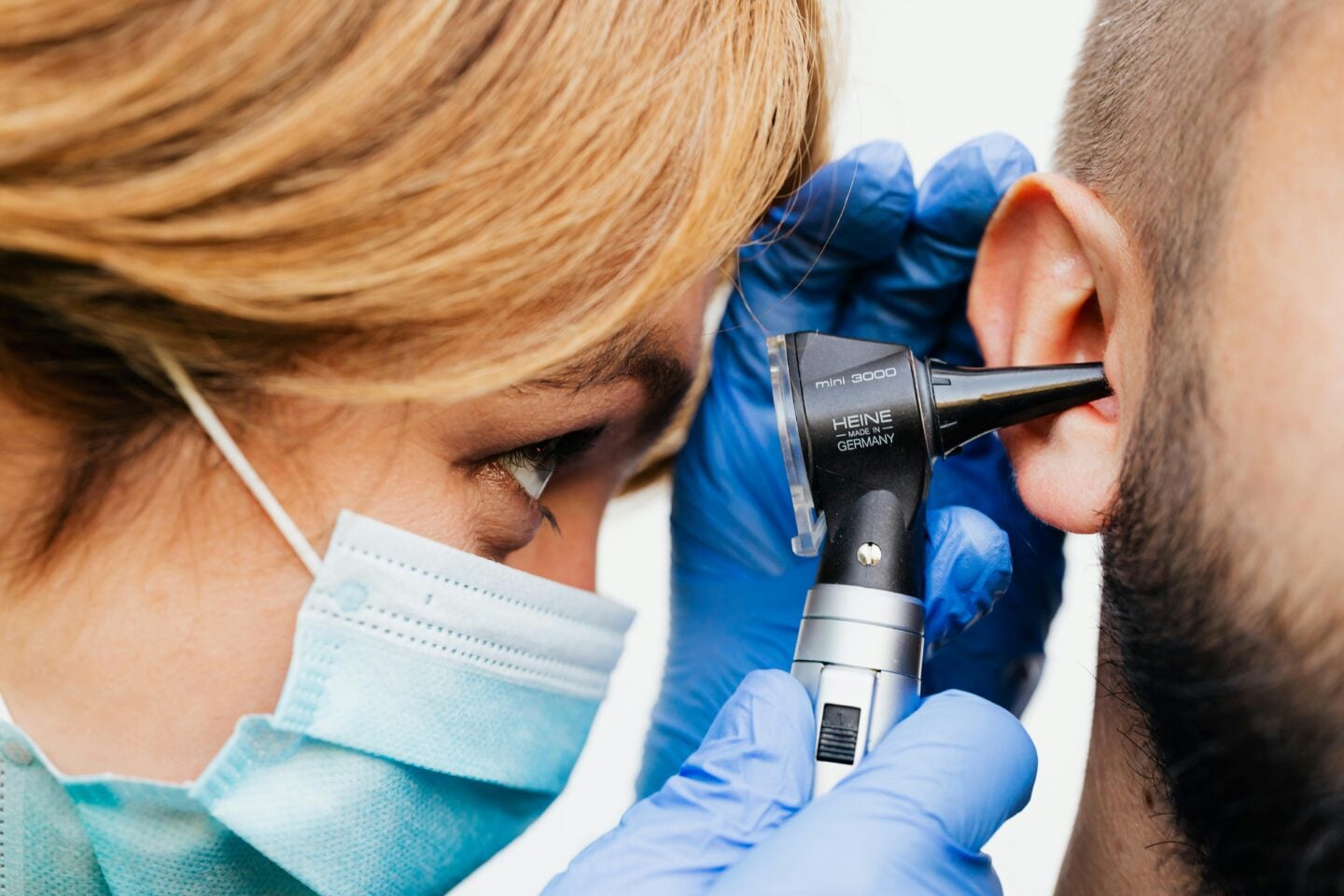
It can be tempting to ignore mild discomfort or changes in hearing, but several signs indicate when professional assistance is necessary:
- Persistent ear pain
- Significant hearing loss
- Tinnitus issues that do not resolve
- Unusual discharge from the ear
Ignoring these symptoms can lead to further complications, including permanent hearing loss or chronic infections.
Conclusion
Excess earwax can lead to various hearing issues that significantly affect quality of life. Understanding the symptoms and taking proactive steps to address earwax build-up is key to maintaining ear health. If you are facing complications from excessive wax, consider reaching out to specialists for professional ear cleaning options in London. They can provide the necessary support to alleviate discomfort and restore auditory health.
By staying informed and attentive to your ear health, you can better prevent and manage the common issues associated with excess earwax. After all, a little awareness goes a long way in safeguarding one of our most precious senses.
Thanks for stopping by!
Magda
xoxo
This article is for informational purposes only and is not intended as medical advice. Always consult a qualified healthcare professional regarding any medical concerns.
<3