Once upon a time, the world of style was dominated by clothing designed for chic aesthetics, often at the expense of comfort. Towering stilettos, rigorously constructed corsetry, and restrictive silhouettes dictated the fashion landscape, with little regard for the physical toll they might take on the wearer. Dressing well often meant sacrificing comfort, and many willingly paid that price for the sake of their appearance. However, in recent years, we have witnessed a significant shift. Comfort-first fashion is rising in prominence and, with it, is ushering in a new chapter of inclusive, user-friendly styles.
The Driving Forces Behind The Shift
Among the numerous aspects contributing to this shift, we have seen the growing popularity of streetwear, increasing acceptance of plus size lingerie and other inclusive clothing lines, along with the demands of a changing work environment. Not to mention the broader cultural shift towards valuing self-care and wellbeing. The new fashion focus is on finding that sweet spot where comfort meets style.
The Rise Of Body Positivity

Many brands have taken previously neglected markets (plus size fashion, activewear, and loungewear, for example) and transformed them into fashion-forward pioneers of body positivity and diversity. Many companies now honour women of all shapes and sizes by offering comfortable, fashionable clothing that lets consumers feel good about themselves without compromising comfort.
The Influence Of Designers And Brands
Designer brands and fashion houses have noticed this shift. High fashion now increasingly seeks to balance aesthetic appeal with practicality, shifting from the stereotypical, rigid and structured looks. Designers like Stella McCartney and Phoebe Philo have prioritised comfort and wearability, offering collections that are both desirable and wearable for fashion enthusiasts everywhere.
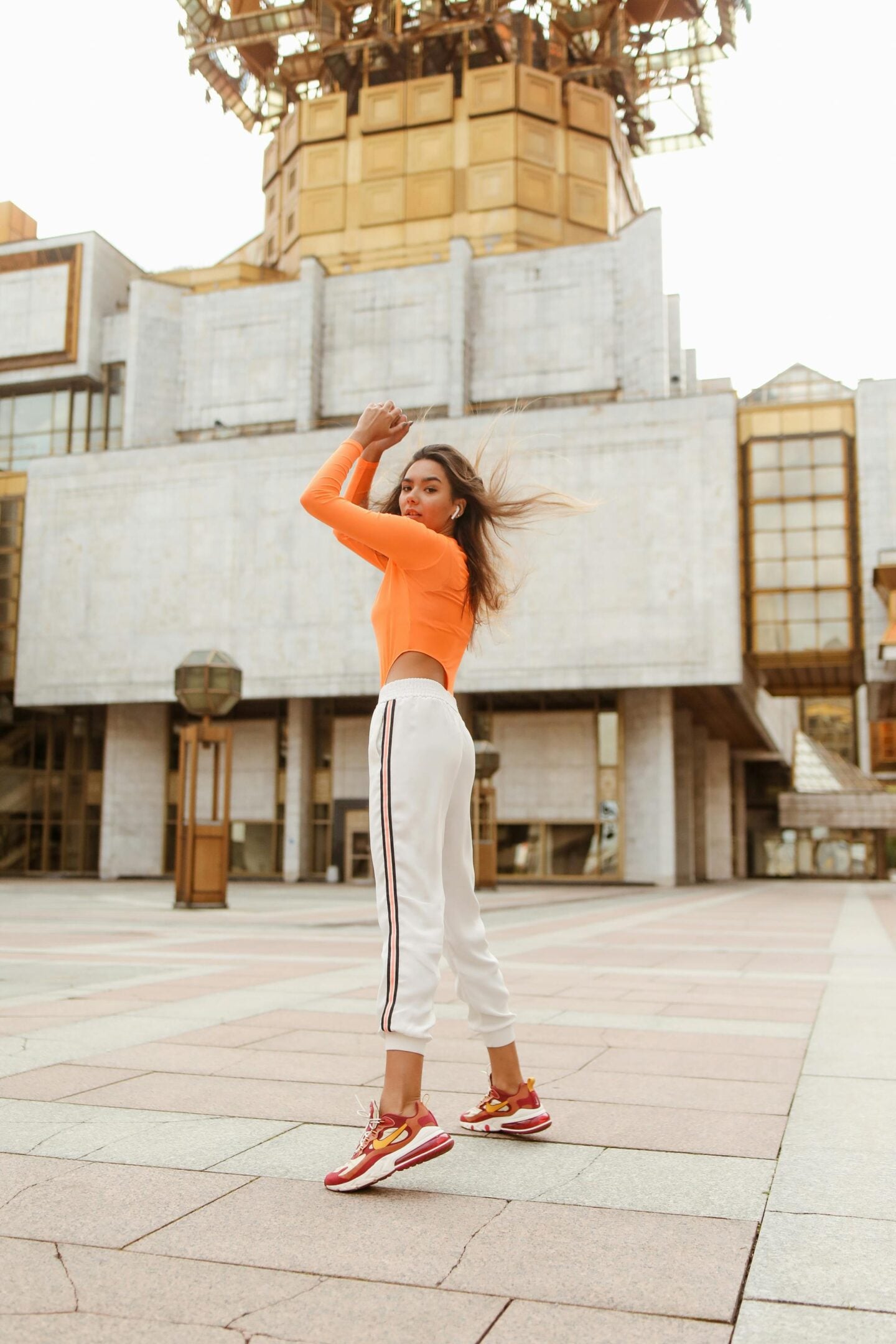
Similarly, the rise of ‘athleisure’ – a fashion genre that blends gym and leisure clothing – has blurred the line between workout clothes and casual attire. The popularity of athleisure clothing means that you can look athletic and stylish while being thoroughly comfortable.
What This Means For Consumers
For consumers, this shift towards comfort-first fashion is exciting and liberating. People are no longer forced to choose between comfort and style, with an increasing number of brands making it their mission to provide both. This is particularly significant for those with certain body types or physical health issues, for whom finding comfortable, attractive clothing has often been a challenge.
In addition, the rise of comfort-first fashion has broken down age-old stereotypes and societal pressures surrounding how individuals should present themselves. There’s no need to compromise your personal comfort for public approval. It’s a profound, positive step towards creating a more inclusive, accessible fashion realm.
The Impact On The Fashion Industry
The rise of comfort-first fashion has also significantly shaped the fashion industry, forcing brands and designers to adjust their strategies and modes of operation. Sustainability, affordability, and inclusivity – essential aspects of comfort-first fashion – are now priorities for all major fashion players.
The Bottom Line
The rise of comfort-first fashion isn’t just a temporary trend. It’s an impactful shift that redefines the rules of the game. It reinforces the idea that fashion isn’t just about what looks good, but also about what feels good. It might have taken a while for the industry to fully embrace this change, but it’s clear that this pivot is not just about the clothes we wear. It’s about embracing diversity, promoting body positivity, and prioritising wellbeing – trends we hope are here to stay. Because after all, comfort is fashionable, and personal well-being should never be a compromise.
Thanks for stopping by!
Magda
xoxo
<3