Oversized mansions with huge hallways and countless rooms filled with trinkets are no longer the height of desirability. Today, a significant shift has occurred in how individuals perceive their living spaces. The allure of minimalist living takes hold as people embrace smaller homes with fewer possessions to achieve simplicity and tranquility. This lifestyle change is not merely a trend but indicative of a broader transition towards purposeful living and environmental awareness.
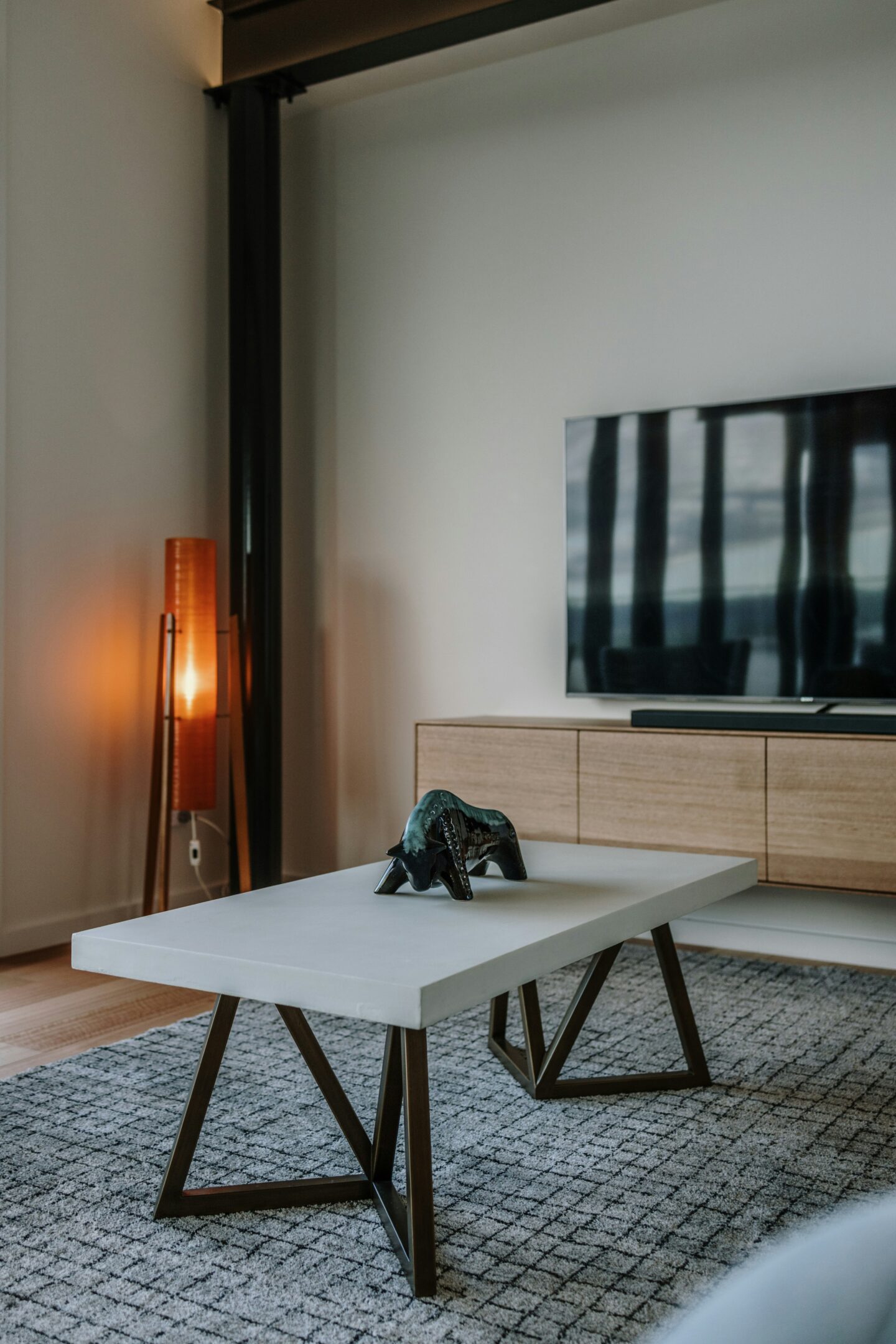
The Appeal Of Minimalism
The rise of minimalist home living is rooted in a pursuit of mental clarity. Cluttered spaces are increasingly seen as the enemies of clear thinking. As many now realize, fewer belongings mean less to organize and clean, creating more breathing room for the mind and soul. By stripping away the excess, people gain time previously squandered on upkeep and maintenance.
Moreover, minimalist living supports a more deliberate lifestyle. The limited space of smaller homes forces inhabitants to question every purchase, demanding intentionality over impulse. With this mindfulness comes an appreciation for what is owned, resulting in environments curated to reflect personal values and necessities.
Additionally, the minimalist approach promotes a reduction in distractions. No longer bogged down by the chaos of countless items, individuals often find themselves more focused and productive. This clarity fosters creativity and problem-solving, allowing for innovative ideas to flourish in a serene environment. Simplification creates an environment where introspection and growth become natural byproducts of daily living.
For those embarking on the journey of downsizing or transitioning to minimalism, managing belongings often becomes a necessary step. Services that specialize in supporting this transition, like Junk Jaws Chicago, who are the best at junk removal, provide relief in decluttering by responsibly handling what is left behind. This approach ensures that items are dealt with thoughtfully, aligning with minimalist values.
The Financial Benefits
For many, adopting minimalism proves economically advantageous. Smaller living spaces translate into smaller utility bills and lower property taxes. In contrast to the financial burden of maintaining larger homes, there are tiny homes for sale that allow for true minimalist living, lowering expenses and allowing for a frictionless lifestyle. Downsizing or simplifying home life frees up resources that can be dedicated elsewhere – be it travel, education, or investment in enriching experiences.
Another financial benefit comes through the practice of conscious consumption. By shifting focus from acquiring possessions to enjoying experiences, people often find themselves spending less on material goods. The liberated resources can then be channeled into investments or savings, catalyzing long-term financial growth and stability. Minimalism not only saves money but also guides individuals toward meaningful financial decisions that align with their personal goals.
Environmental Considerations
Minimalism is also growing in popularity due to its environmental benefits. Smaller homes require fewer materials to build and consume less energy, reducing the overall carbon footprint. This living style encourages a lifestyle of conservation and sustainability, aligning with the growing consciousness towards environmental accountability. Communities benefit as well, as developments begin to focus on eco-friendly construction and renewable energy sources to support these minimalist lifestyles.
Embracing minimalism also encourages the exploration of alternative materials and technologies that promote sustainability. People are increasingly turning to locally sourced, renewable, and recycled materials to construct homes that align with environmentally friendly practices. This shift in approach intensifies the positive impact on the planet, reducing waste and fostering a connection between the inhabitants and their surroundings.
The Challenges
Despite its appeal, minimalist living isn’t without its challenges. Convincing oneself to let go of possessions tied to memories or societal expectations can bring emotional strain. The shift demands a level of introspection often uncomfortable for those entrenched in consumer culture. Additionally, the process requires significant organization and possible outlays for storage solutions that marry practicality with aesthetic purposes.
Yet for many, these obstacles pale in comparison to the peace attained through a minimalist lifestyle. The freedom of release outweighs the temporary discomfort of letting go.
Furthermore, individuals adopting minimalism might encounter difficulties when navigating societal norms focused on material success. The courage to carve a unique path often requires the cultivation of inner strength and conviction. However, embracing this lifestyle empowers individuals to redefine success on their terms, enhancing personal resilience and satisfaction.
The Social Aspect
Beyond the individual, minimalist living fosters a sense of community. With homes that prioritize open, shared spaces over isolated rooms, this setup encourages social interaction. Neighbors in minimalist communities often share resources like laundry facilities and communal gardens, fostering relationships over mutual reliance and shared values.
Such setups reinforce the idea that true satisfaction comes not from material bounty but through meaningful interactions and shared experiences. By uniting individuals through design and intent, minimalism cultivates well-being on a communal level.
Emphasizing communal activities further enhances the sense of connection among neighbors. Potlucks, gardening days, and shared workshops embody the spirit of collaboration. By substituting material abundance with opportunities for genuine engagement, communities nourish social ties and foster an inclusive, sustainable network of support.
Conclusion
Minimalist home living continues to rise in popularity, presenting an opportunity to redefine what it means to live and thrive in today’s world. It offers respite from chaos, promotes environmental stewardship, and provides financial reprieve, all while championing a return to purposeful, meaningful living. As the movement gains momentum, it stands less as a fleeting trend and more as a deliberate choice towards a life of intention and balance.
Thanks for stopping by!
Magda
xoxo
<3