The gig economy isn’t just changing how we work, it’s reshaping where people live. As freelancers, contractors, and digital nomads ditch traditional offices, their housing needs are evolving dramatically. This seismic shift affects everything from urban apartment demand to suburban sprawl, creating ripple effects that luxury real estate agents near me and nationwide are scrambling to address. Explore how flexible work is rewriting real estate rules.
The Nomadic Homebuyer Emerges
Gig workers crave flexibility, not just in jobs but in living spaces. They’re less tied to city centers for 9-to-5 commutes, fueling demand for hybrid locations like suburbs with fiber internet or mountain towns with coworking spaces.

Realtors report a 30% surge in clients seeking “Zoom rooms” (dedicated home offices) and short-term lease options. Sarah Chen, a UX designer who relocated to Asheville, NC, explains: “I sold my downtown condo because my income fluctuates. Now I rent a cottage with a studio – if I land a big contract, I’ll buy.” This trend pressures developers to rethink layouts, prioritizing adaptable spaces over formal dining rooms.
Investor Frenzy In Short-Term Rentals
Platforms like Airbnb have turned gig workers into micro-landlords. A graphic designer might rent out their spare room during conferences, while a rideshare driver buys a condo purely for rental income. Cities like Austin and Nashville see 15 to 20% of new condo purchases earmarked for short-term leasing.
But this gold rush has downsides: rising housing costs push out locals, and oversaturated markets lead to volatile returns. “Luxury real estate agents,” notes Miami broker Elena Rodriguez, “are now vetting buyers’ rental business plans. No one wants empty units when tourism dips.”
Commercial Real Estate’s Identity Crisis
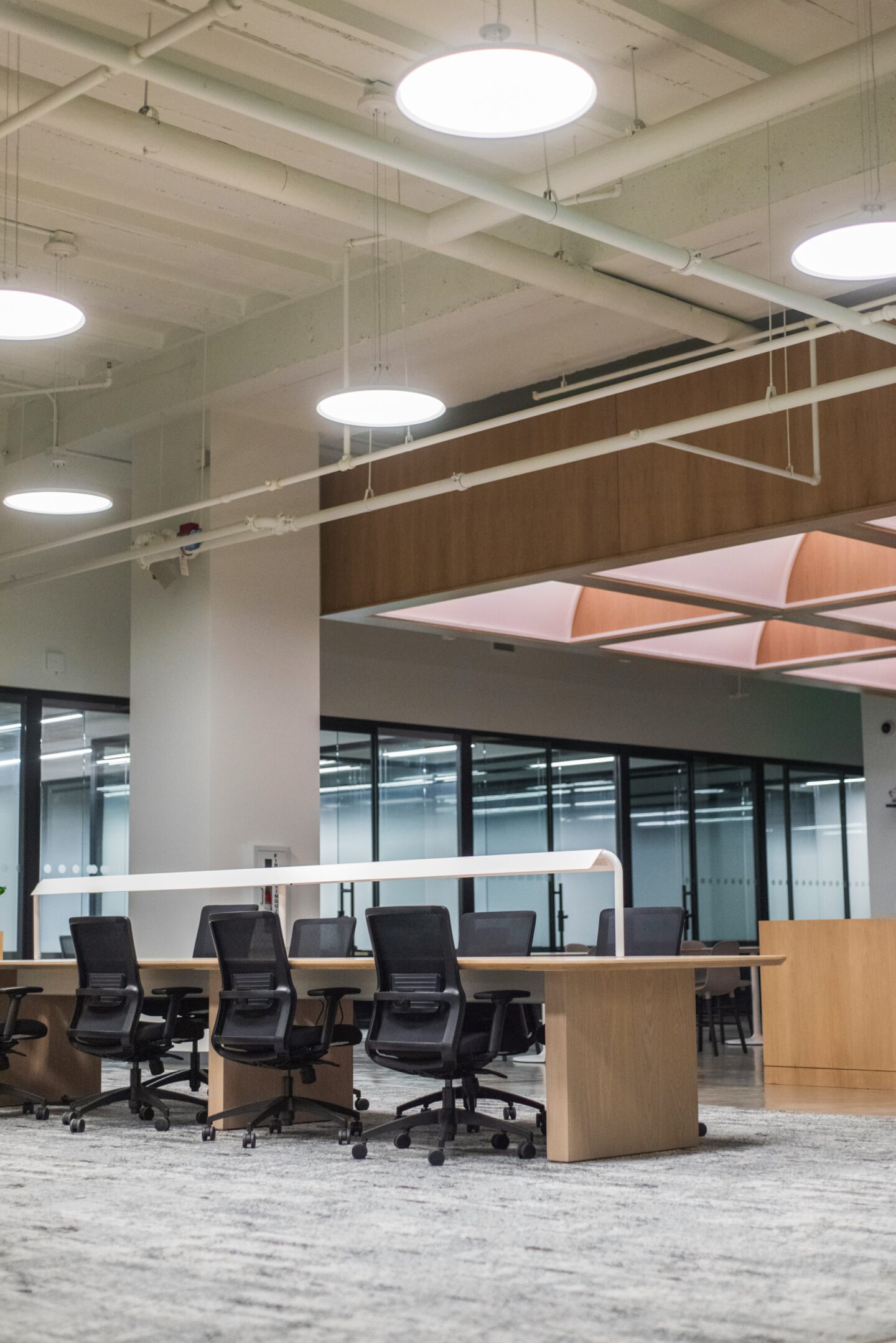
Empty offices haunt city skylines as companies downsize, but gig workers are repurposing the void. Co-working hubs like WeWork thrive, while landlords convert towers into mixed-use spaces with gyms, cafes, and event venues. In Chicago, a former bank building now houses pop-up shops and freelance collectives.
Yet uncertainty lingers: commercial vacancies hover near 18%, and lenders hesitate on loans for conversions. The real estate industry is having to adapt or collapse. Buildings are being designed to serve as service ecosystems, not just workspaces, now.
Affordability Vs. Mobility Trade-Offs
While remote work frees gig earners from high-cost cities, it also fragments financial stability. This can be a major hurdle for homeownership. Banks remain wary of variable incomes; 40% of freelancers face mortgage rejections despite solid earnings. Some turn to niche lenders or co-buying groups, while others embrace “renting for life.”
Making the costs as convenient for you as possible is a huge part of creating stability when income tends to fluctuate from month to month. Australian remote workers looking for such options in Queensland are encourage to find a mortgage broker near Brisbane who can outline lending paths that don’t penalize irregular earnings. This kind of guidance helps them sort through lenders that are more flexible with documentation and income verification. With clearer expectations, they can pursue opportunities that feel attainable rather than out of reach.
Conversely, migration to affordable areas inflates prices in previously low-cost markets. Boise, Idaho saw home values jump 60% as remote workers flooded in, pricing out teachers and firefighters. Folks want more than location independence, they’re also searching for sustainable community-building.
The gig economy’s real estate impact is profound and paradoxical: it liberates where we live but complicates how we settle. As demand shifts toward flexible, tech-enabled spaces, the market must balance innovation with inclusivity.
For agents, this means guiding clients through income verification workarounds. For cities, it demands zoning reforms for live-work hybrids. And for gig workers? It’s about redefining “home” as a launchpad, not an anchor, that adapts as fluidly as their careers. The revolution isn’t coming; it’s already unpacking its bags.
Thanks for stopping by!
Magda
xoxo
<3