A creative wellness expert reveals the hands-on activities that calm the mind, restore focus, and lift your mood.
There is a reason so many people find themselves reaching for a paintbrush, reorganising a corner of their home, or carefully repotting a plant when life starts to feel unmanageable. Creative, hands-on activity has long been associated with a quiet sense of calm and accomplishment that is genuinely difficult to replicate elsewhere. And while most conversations about home improvement focus on the practical or aesthetic outcomes, the mental health case for picking up a project is compelling in its own right.
Making something with your hands pulls attention away from anxious thoughts and into the present moment. It creates structure, offers visible progress, and gives back a sense of control, all of which support psychological wellbeing. In a world built around screens and relentless mental demand, small creative acts have a way of becoming grounding rituals that people return to again and again.
Dr. Eleni Nicolaou, Art Therapist and Creative Wellness Expert at Davincified, has identified five DIY projects that are particularly well suited to supporting mental health. Each one is easy to start, requires no specialist skills, and is far more about the process than anything you end up with at the end.
1. Painting A Small Accent Wall Or Feature Area
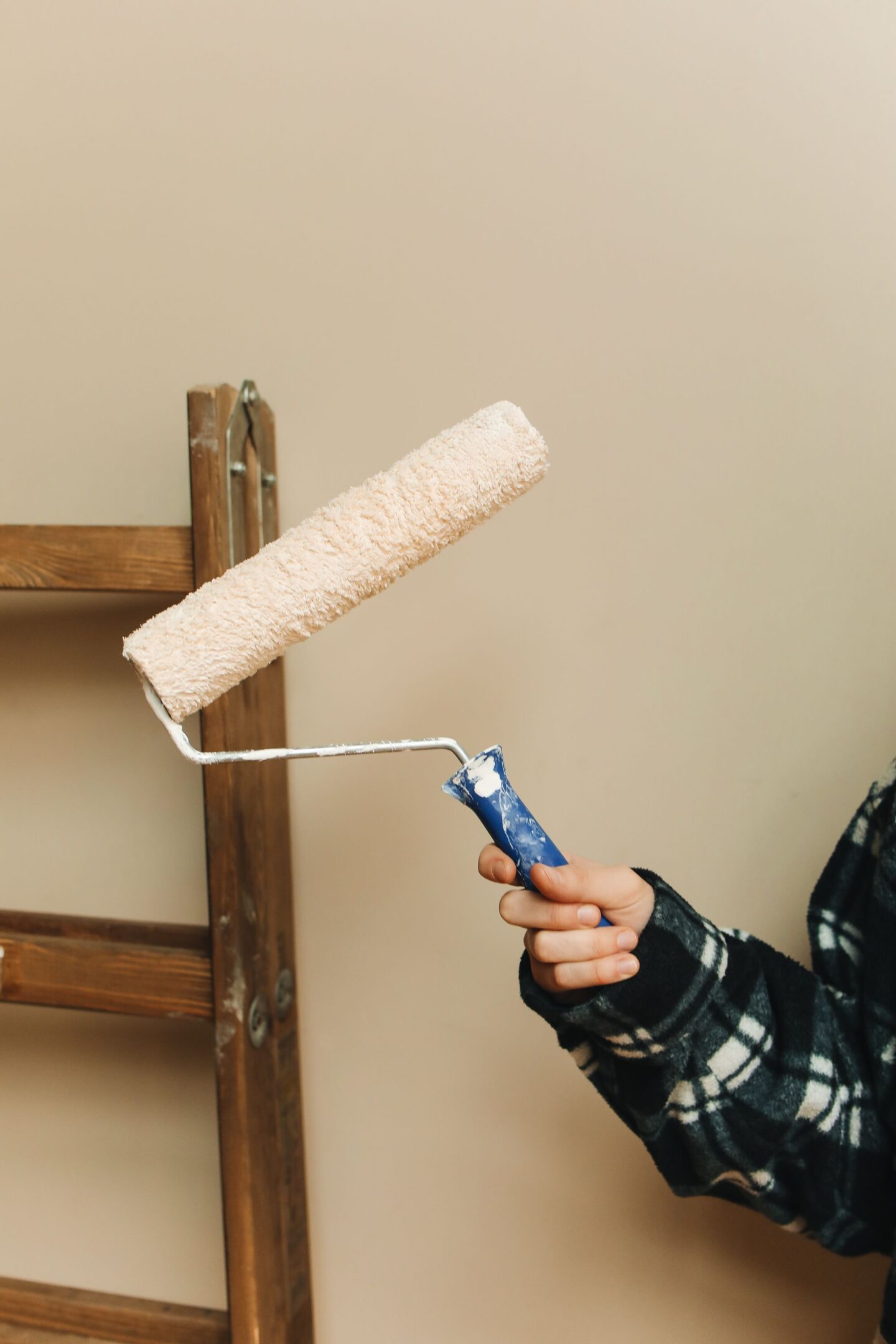
Picking up a paintbrush and committing to a single wall, even just a small alcove, a nook behind a shelf, or a modest feature area, is a surprisingly effective way to feel more in control of your surroundings. It is a focused, contained task with a clear beginning and end, offering the kind of structure the brain tends to crave during periods of stress or overwhelm.
“There is real psychological value in making a decision and seeing it through,” says Dr. Nicolaou. “Choosing a colour, preparing the space, applying the paint, each of those small steps builds a quiet sense of competence and achievement. For anyone who has been feeling stuck or directionless, that process can be genuinely restorative.”
The key is to start small. A tester pot and a single feature area are more than enough. The goal here is the satisfaction of having made a space your own, not a flawless, magazine-ready finish. Releasing the expectation of perfection is part of what makes the activity beneficial.
2. Creating A Calm Corner Or Dedicated Wellbeing Space
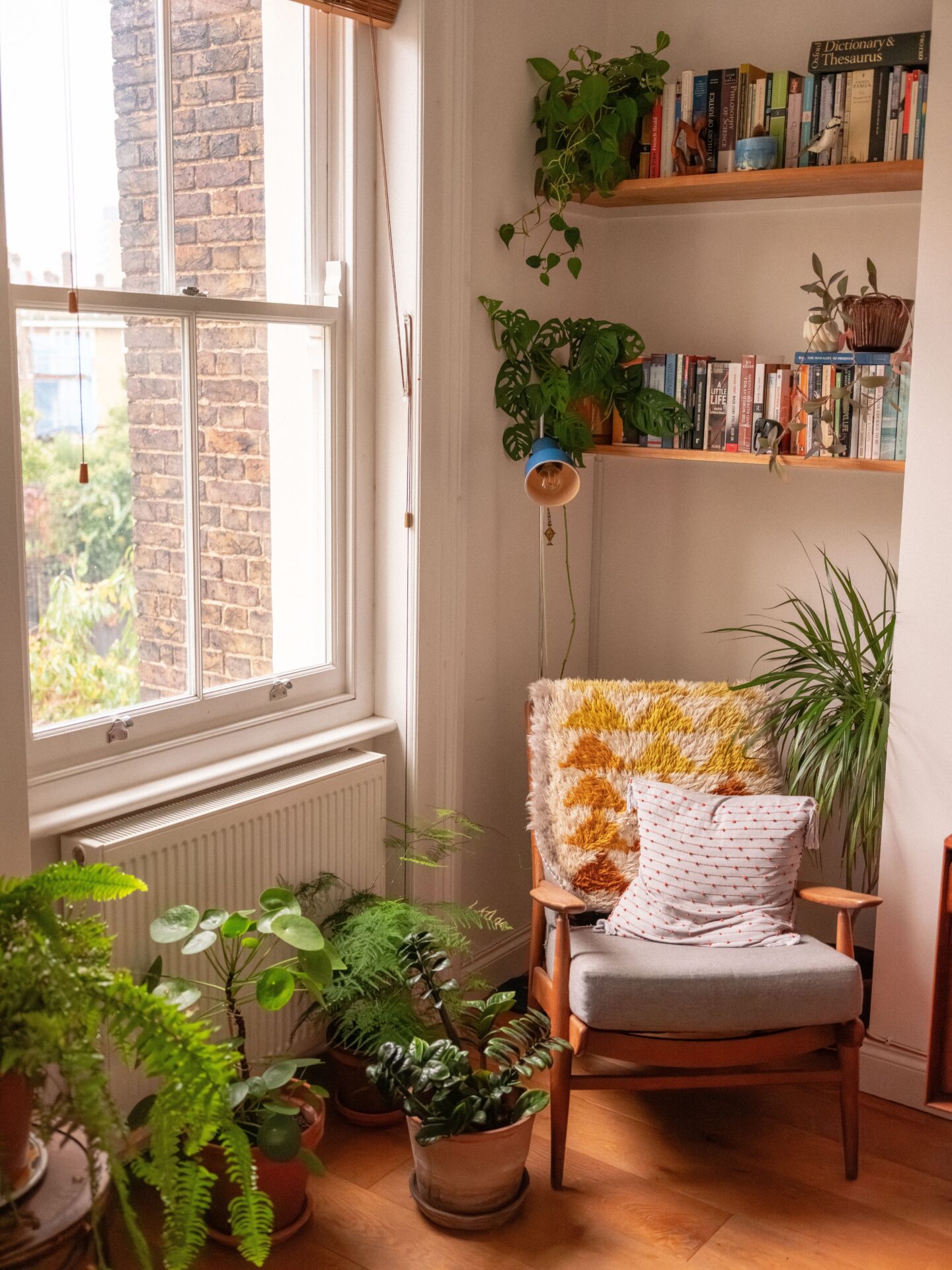
One of the most meaningful changes you can make to your home environment requires no tools, no paint, and no particular skill. It simply involves carving out one small area purely for rest, somewhere with soft cushions, warm lighting, and a few objects that carry personal comfort or meaning.
“Having a dedicated space that signals this is for rest can genuinely change how you feel in your home” explains Dr. Nicolaou. “It becomes a physical anchor, a reminder built into the room itself that slowing down is allowed.”
The mental health benefit comes as much from the process of creating the space as from using it. Deciding what belongs there, what brings you calm, what you want to be surrounded by when you need to decompress, is itself a quiet and settling act of self-reflection. It asks you to think about what rest actually looks like for you, which is a question worth sitting with.
3. Upcycling A Piece Of Furniture Or A Thrifted Find

Sanding back an old chair, repainting a tired chest of drawers, or refreshing a secondhand piece of furniture demands just enough concentration to quiet a busy mind without tipping into something stressful. The work is rhythmic, tactile, and deeply satisfying in a way that more abstract tasks rarely are.
“Working with your hands on a repetitive task has a genuinely meditative quality,” says Dr. Nicolaou. “The focus it requires is enough to occupy the analytical, overthinking mind, which gives the emotional mind a chance to settle and recover.”
Starting small makes the whole thing more approachable. A solid wooden stool from a charity shop or a plain side table picked up secondhand is the ideal starting point. Keep expectations modest and let the process be the point rather than the outcome.
4. Making A Vision Board Or Collage Wall
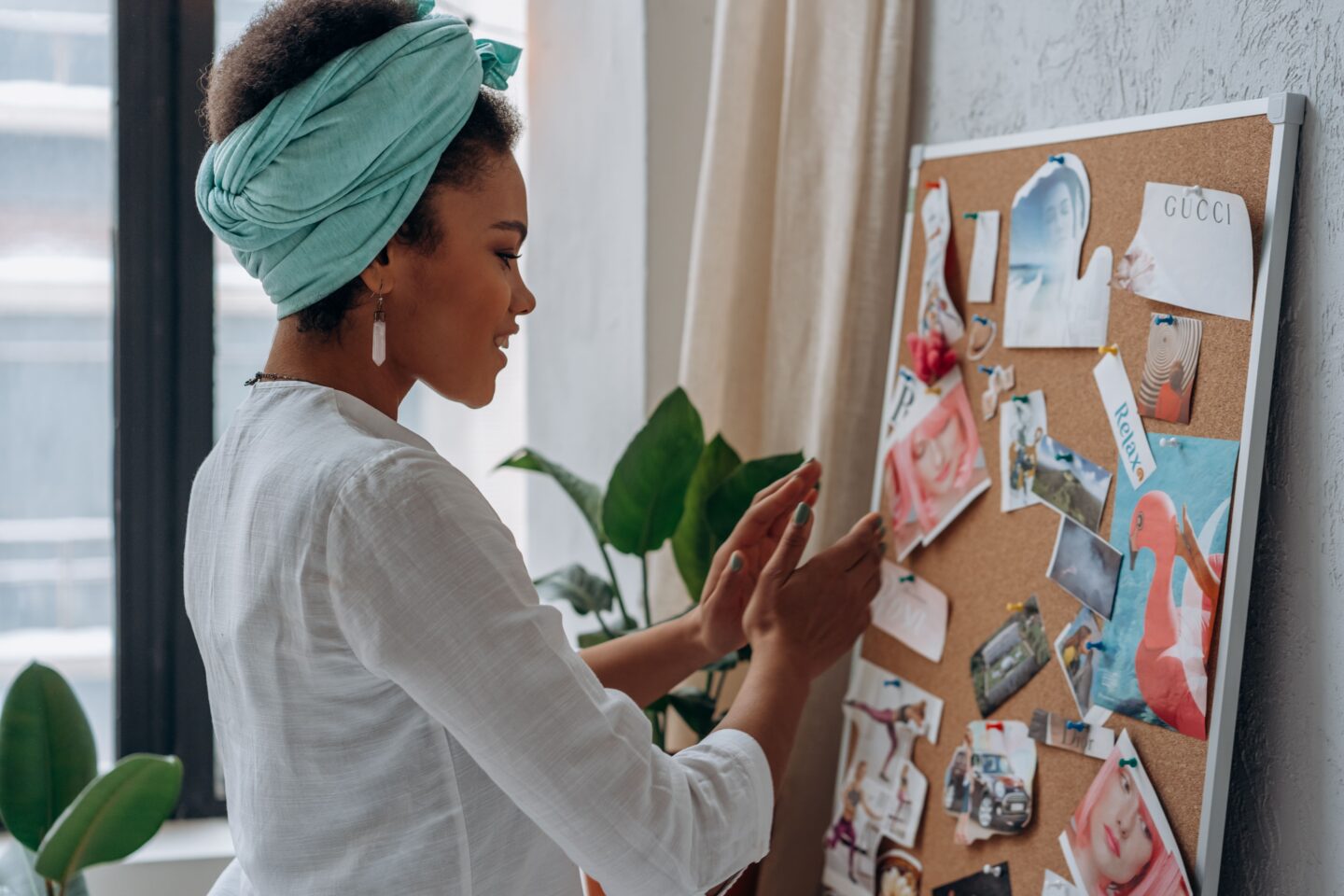
Cutting and arranging images by hand is a quietly powerful form of self-reflection, one that tends to surface things about what you actually value and want that a to-do list or a conversation often cannot. It asks you to slow down, pay attention to what draws your eye, and make deliberate choices without any pressure to be right.
“A collage is not about manifesting a particular outcome,” Dr. Nicolaou clarifies. “It is a way of externalising your inner world, of making thoughts and feelings visible outside of your own head. That process can be genuinely clarifying, especially during periods when life feels confusing or overwhelming.”
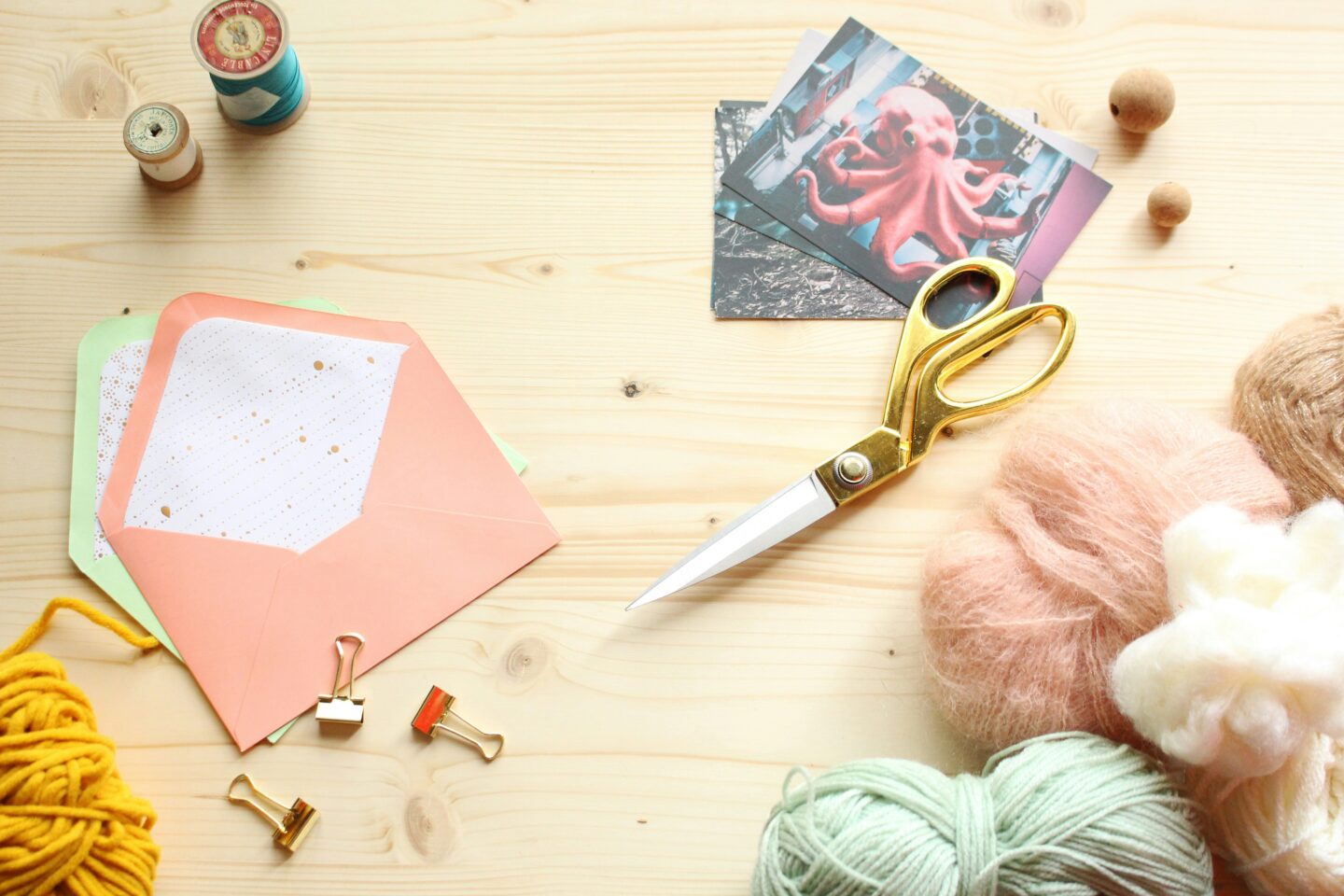
All you need is a pinboard or a blank wall, some old magazines, and a pair of scissors. There are no rules worth following here. The point is engagement and curiosity, not a finished product that impresses anyone.
5. Indoor Plant Styling Or Propagation
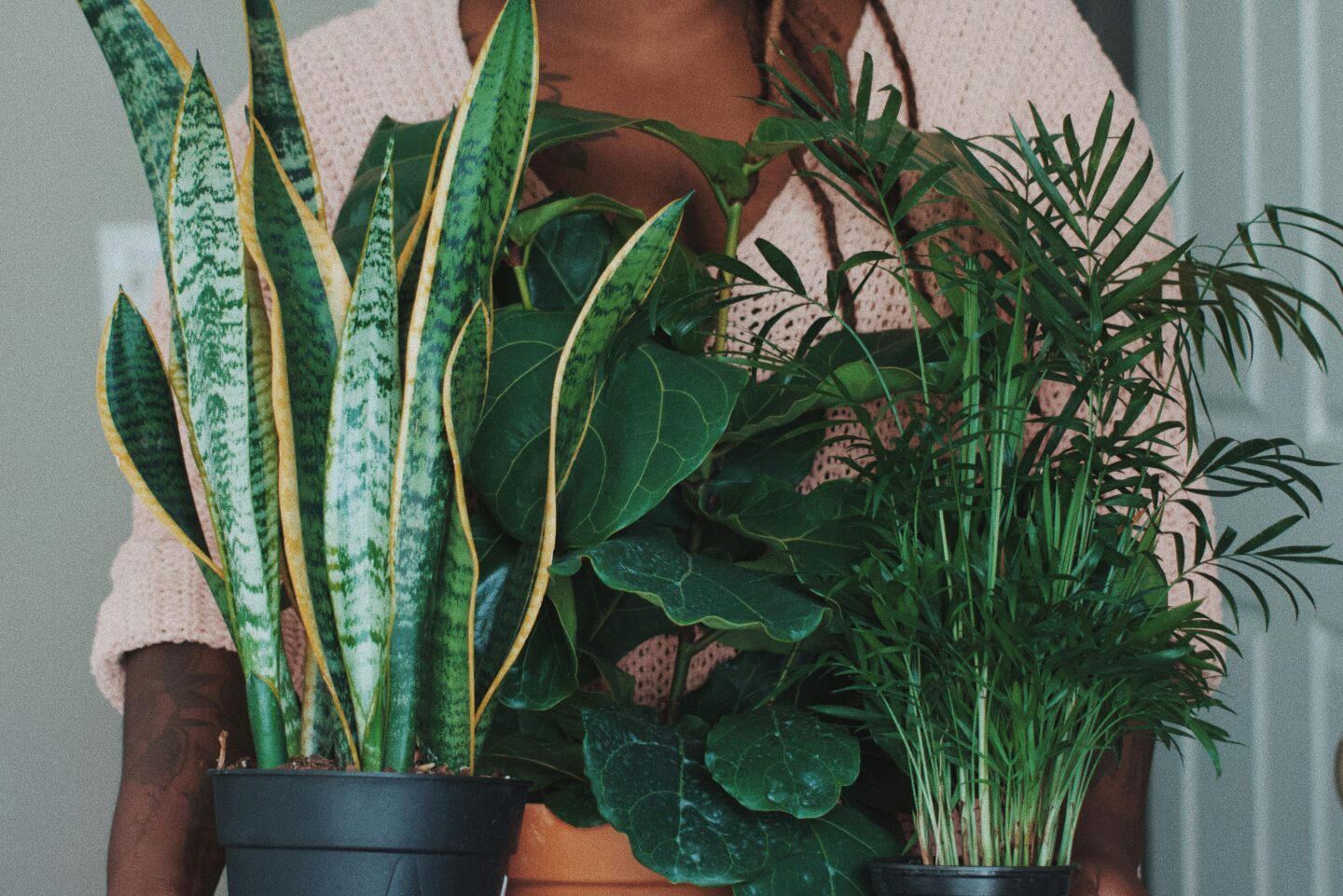
Arranging plants, taking cuttings, and setting up a small propagation station on a windowsill combine routine, creativity, and a connection to the natural world, all three of which are consistently linked to a calmer and more grounded state of mind.
Research into nature and wellbeing points to the measurable effect that even small doses of natural elements can have on stress levels and mood. You do not need a garden or a dedicated growing space to access that benefit.
“Tending to plants creates a small daily ritual that adds gentle structure to your day,” says Dr. Nicolaou. “Watching something grow, even something as slow and modest as a cutting taking root in a jar of water, offers a quiet but real sense of reward.”
A pothos or spider plant is an ideal starting point, easy to propagate, difficult to kill, and satisfying to watch develop. The daily act of checking in on something living is more grounding than it sounds.
Why The Process Matters More Than The Result
The thread running through all five of these projects is the same. The mental health benefit does not come from producing something perfect or impressive. It comes from the act of doing, from showing up for a task, moving through it with your hands, and arriving somewhere slightly different at the other end.
“These projects work best when they are low-pressure and process-focused,” says Dr. Nicolaou. “The temptation is always to worry about the end result, whether the wall looks professional, whether the vision board is aesthetically pleasing. But that is exactly where the mental health benefits get lost. The value lives in the engagement, not the perfection.”
There is a particular kind of mental rest that comes from focused, creative, physical activity. It is different from passive rest and different from distraction. When your hands are occupied with something tangible, the part of the mind that tends to spiral, the part that rehearses worries and replays difficult moments, gets a genuine break.
“These projects offer small but significant interruptions to mental overload,” Dr. Nicolaou explains. “You do not need to be naturally creative or particularly skilled. You just need to start. That first step, picking up the brush, pulling out the scissors, potting the cutting, is where the shift begins.”
The cumulative effect of building small creative rituals into daily or weekly life tends to be more significant than any single session. The goal is not to complete a project. It is to find a way back to your own hands, and through them, to a quieter, steadier version of yourself.
Thanks for stopping by!
Magda
xoxo
This article is intended for general informational purposes only and should not be considered medical or mental health advice. If you are experiencing persistent or serious mental health concerns, please seek advice from a qualified healthcare professional.
<3