A vintage car can turn ordinary weekends into a hands-on connection with design, engineering and social history. Collecting also fits surprisingly well into modern life, since online marketplaces, specialist clubs and international transport services have made unusual models easier to find. The hobby still calls for patience, sensible budgeting and a willingness to learn, but ownership can be deeply rewarding even if you never build a large collection.
The best starting point is a car that genuinely interests you. A modest family saloon, compact roadster or distinctive 1980s hatchback may offer more enjoyment than a famous model bought mainly because someone expects its value to rise.
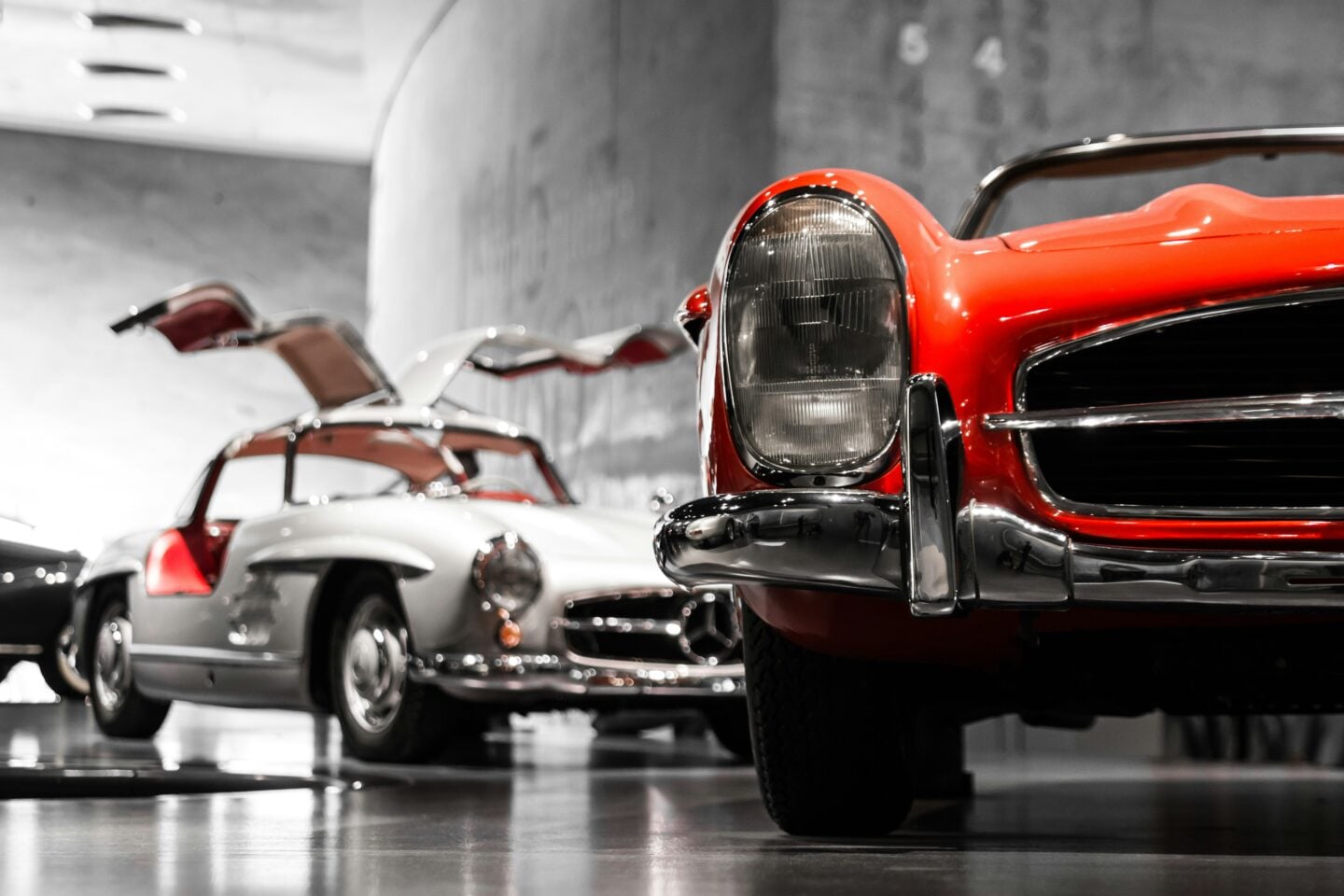
Image Credit: Unsplash
The Appeal Of Historic Motoring
Historic cars preserve the sights, sounds and physical details of another era. Thin steering wheels, mechanical switches and large analog instruments create an experience that feels distinct from modern motoring. Even familiar tasks such as opening a vent or adjusting a seat reveal how designers once approached comfort and function.
That character attracts a broader group of owners than the stereotype of the wealthy collector suggests. Reporting on newcomers to classic collecting highlights how accessible models and enthusiast communities are bringing fresh participants into the hobby. Someone may begin with the same model their parents drove, while another collector might seek an overlooked design from the 1990s.
The social side matters too. Local shows, club meetings and informal weekend drives give owners a reason to share technical knowledge and personal stories. You don’t need a flawless exhibition car to take part. A well-used vehicle with careful repairs often prompts more conversation because its history remains visible.
Start by deciding how you want to use the car. A vehicle for regular summer outings needs dependable cooling, brakes and electrical systems. A long restoration project demands workspace, tools and spare time. If you’re drawn to collectible car growth, remember that financial performance is only one part of ownership. Storage, servicing and insurance all continue regardless of market value.
Locating Rare Models Beyond Local Markets
Local classified listings are convenient, but they can make a scarce model appear impossible to find. Expanding the search to other regions or countries may reveal better-preserved examples, different specifications and colors that were never offered at home. A dry-climate vehicle, for example, could have cleaner bodywork than a cheaper car exposed to decades of wet roads.
Begin with marque clubs, established dealers and auction platforms that provide detailed photographs. Ask for images of the underside, wheel arches, door bottoms, engine bay and luggage area. A glossy exterior picture tells you little about corrosion or old accident repairs. Request copies of maintenance invoices and ownership documents before discussing payment.
Prices need context. The history of collector markets shows how tastes, supply and economic conditions can shift over time. Compare several genuinely similar cars, accounting for condition, specification and documentation. An unusually low price may reflect a missing title, serious rust or an incomplete restoration.
Once an overseas car becomes a realistic option, learn how to import cars and estimate the full cost before committing. Shipping, customs clearance, testing and registration can change the apparent bargain significantly. A specialist inspection is also sensible when you can’t see the vehicle yourself. Ask the inspector to verify identification numbers, test major systems and note any parts that are difficult to source. A written report with dated photographs gives you something concrete to review before sending funds.
Navigating International Purchase Paperwork
International paperwork starts with proof that the seller has the legal right to transfer the vehicle. Names, identification numbers and vehicle details should match across the sales agreement, registration record and transport documents. Resolve discrepancies before collection because a single incorrect digit can delay customs processing or registration.
Build a digital folder for every document and keep paper copies separately. At minimum, retain the signed purchase invoice, payment record, foreign registration papers, transport booking, condition report and customs forms. Some countries also require an export certificate or proof that the original registration has been canceled. Requirements vary by the car’s age, origin and intended destination, so confirm the current rules with the agencies handling customs and registration.
Factor administrative deadlines into your schedule. Customs declarations may be due soon after arrival and local authorities may require an inspection before issuing registration documents. Don’t arrange a major event around the car’s expected delivery date. Port congestion, document checks and weather can all extend a quoted timetable.
The vehicle’s specification may create another layer of work. Lighting, speed displays, emissions records and identification plates may need review before road registration. Originality and compliance can sometimes pull in different directions, so record any required changes and retain removed period parts. Coverage of classic cars in modern markets also shows how specialist businesses support owners through restoration, parts supply and changing consumer expectations.
Never rely on a verbal promise that paperwork will “follow later.” A missing document can turn an exciting purchase into months of emails, storage charges and uncertainty.
Preserving Mechanical Heritage At Home
Good storage protects a vintage car more effectively than constant polishing. Choose a dry, secure space with airflow and a stable surface. Check for roof leaks, condensation and damp walls before moving the vehicle inside. A breathable cover can keep off dust, but plastic sheeting may trap moisture against paint and trim.
Cars also benefit from regular attention. Check fluid levels, tire pressures, battery condition and signs of leaks on a simple monthly schedule. If the vehicle is driven, let it reach normal operating temperature and use the brakes, steering and transmission through their usual range. Briefly starting the engine without a proper drive can leave moisture in the exhaust and place extra strain on the battery.
Create a maintenance file from the first day of ownership. Record dates, mileage, part numbers and the work completed. Photograph areas before dismantling them and label fasteners in small bags. Those habits save hours during a longer repair, especially when a project pauses for several weeks.
Preservation doesn’t always require restoring every surface to new condition. Original upholstery, worn controls and aged paint can document the car’s life, provided they remain safe and stable. Clean gently and seek advice before replacing rare materials. When a component does need replacement, keep the old part if storage allows and document why the change was made.
Set aside an annual maintenance fund as well. Even a healthy car may need hoses, seals, tires or electrical repairs after long periods of limited use. A calendar can help you track age-based items that low mileage might hide.
The most satisfying collection is often small enough to enjoy properly. A single well-documented car that starts reliably, gets driven regularly and retains its distinctive details can preserve more history than a crowded garage of neglected projects.
Thanks for stopping by!
Magda
xoxo
<3