Sukkot gives families a week to gather, eat meals in the sukkah, and build memories through hands-on activities. Children can decorate a shared space, help prepare simple foods, learn holiday customs, and enjoy outings suited to their ages. The best plans balance creative work with movement and restful family time, while leaving room for weather changes and school schedules. These ideas help families choose meaningful activities for each day of Sukkot and organize them with less stress.
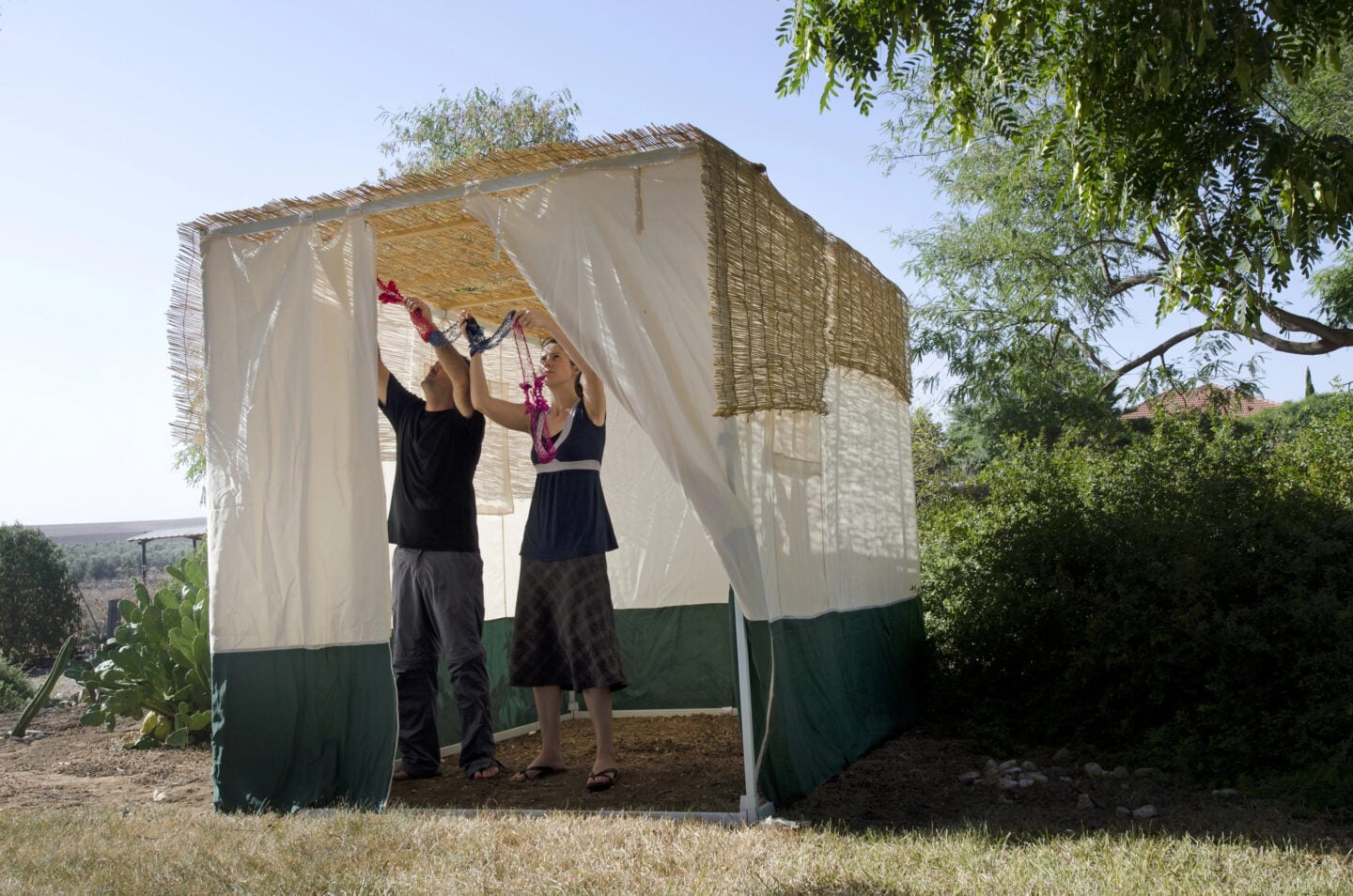
Image credit: Depositphotos
A family plan works best when it matches children’s ages, available time, and space around the home. Younger children need short projects, while teenagers can manage games or an outing. Families seeking Sukkot activities for families can combine creative work, outdoor time, and holiday learning for a great holiday together. A flexible schedule leaves space for meals, conversations, and time with relatives. Here are some of the best activities to consider:
1. Decorate The Sukkah
Decorating a Sukkah gives children a fantastic project to look forward to before the holiday even begins. Families can create paper chains, leaf collages, drawings, painted signs, and seasonal garlands with washable supplies.
Older children can plan a color scheme or arrange decorations by theme. Younger children can decorate paper cutouts or contribute artwork for the walls. Adults should place decorations securely and keep walkways clear.
A decoration station inside the sukkah keeps supplies organized. A small basket can hold markers, tape, scissors, and prepared shapes. Families can add one new piece each day, giving children a reason to revisit the sukkah throughout the week.
2. Prepare A Family Meal
Children can participate in meal preparation through age-appropriate tasks. Younger children can wash produce, arrange napkins, or mix ingredients under adult supervision. Older children can prepare a salad, portion desserts, or write place cards.
A family can choose one dish that connects beautifully with the holiday meal without making anyone feel pressured. Simple recipes work well because children see progress quickly. Adults should handle hot pans, sharp knives, and outdoor cooking equipment.
Meal preparation also gives people time to extend their hospitality to everyone around and express gratitude. Children can help decide which relatives or friends will sit nearby. A short conversation before dinner gives the meal a shared purpose.
3. Create A Sukkot Scavenger Hunt
A scavenger hunt works indoors, outdoors, or around a neighborhood. Clues can be arranged around a specific place to ask children to find a leaf, notice a blue door, count porch steps, or identify a safe public landmark.
Younger children need picture clues and short routes. Teenagers can write clues, supervise teams, or take responsibility for the final activity. Families should choose a familiar area and set clear boundaries before the hunt begins.
A holiday theme keeps the game connected to Sukkot. Clues can include the sukkah, seasonal produce, stars, guests, or symbols from the family’s own traditions. The activity becomes more engaging when children solve clues together instead of competing through every stage.
4. Plan A Local Outing
A local outing gives families a change of setting without requiring a full-day trip. An art museum, nature park, farm stand, or easy walking trail can suit children who need movement during school breaks.
Families should check opening hours, walking distances, weather, and restroom access before leaving. Evening plans can include bowling, mini-golf, or a neighborhood walk when daytime schedules are full.
A simple observation challenge adds structure to the outing. Children can sketch something they notice, record sounds, or find five different leaf shapes. The activity keeps everyone engaged without turning the trip into a lesson.
5. Set Aside Quiet Family Time
Sukkot activities do not need to fill every hour of the day. Reading in the sukkah, playing a board game, listening to music, or sharing stories gives children a slower way to enjoy the holiday.
Quiet time also helps families manage busy schedules and different energy levels. Younger children can draw while older children read or talk with relatives. A comfortable blanket, drinks, and a few favorite books can make the sukkah inviting without any extra, elaborate preparation.
Families can also use this time to remember past holidays and discuss what each person enjoyed most. Children often share more when the activity has no deadline or score.
Conclusion
The best Sukkot plans give children a role, match the family’s schedule, and leave room for rest. A decorated sukkah, shared meals, a scavenger hunt, a local outing, or a quiet reading period can support meaningful family time without complicated preparation.
Families can choose two activities first, gather supplies before the holiday, and add others if time allows. That approach keeps each day manageable while giving children memorable ways to participate in Sukkot.
Thanks for stopping by!
Magda
xoxo
<3