Transparency plays a very important role in food safety. When a product is recalled, it is usually because something has gone wrong in its production, handling, or labelling. These incidents do more than protect people from harm. They also explain how the food system works and where it breaks down. Recalls are often treated as isolated events, but they are better understood as signals. They show which parts of the system failed and how quickly problems are identified and addressed. In that sense, recalls offer a clear test of how transparent the industry really is.
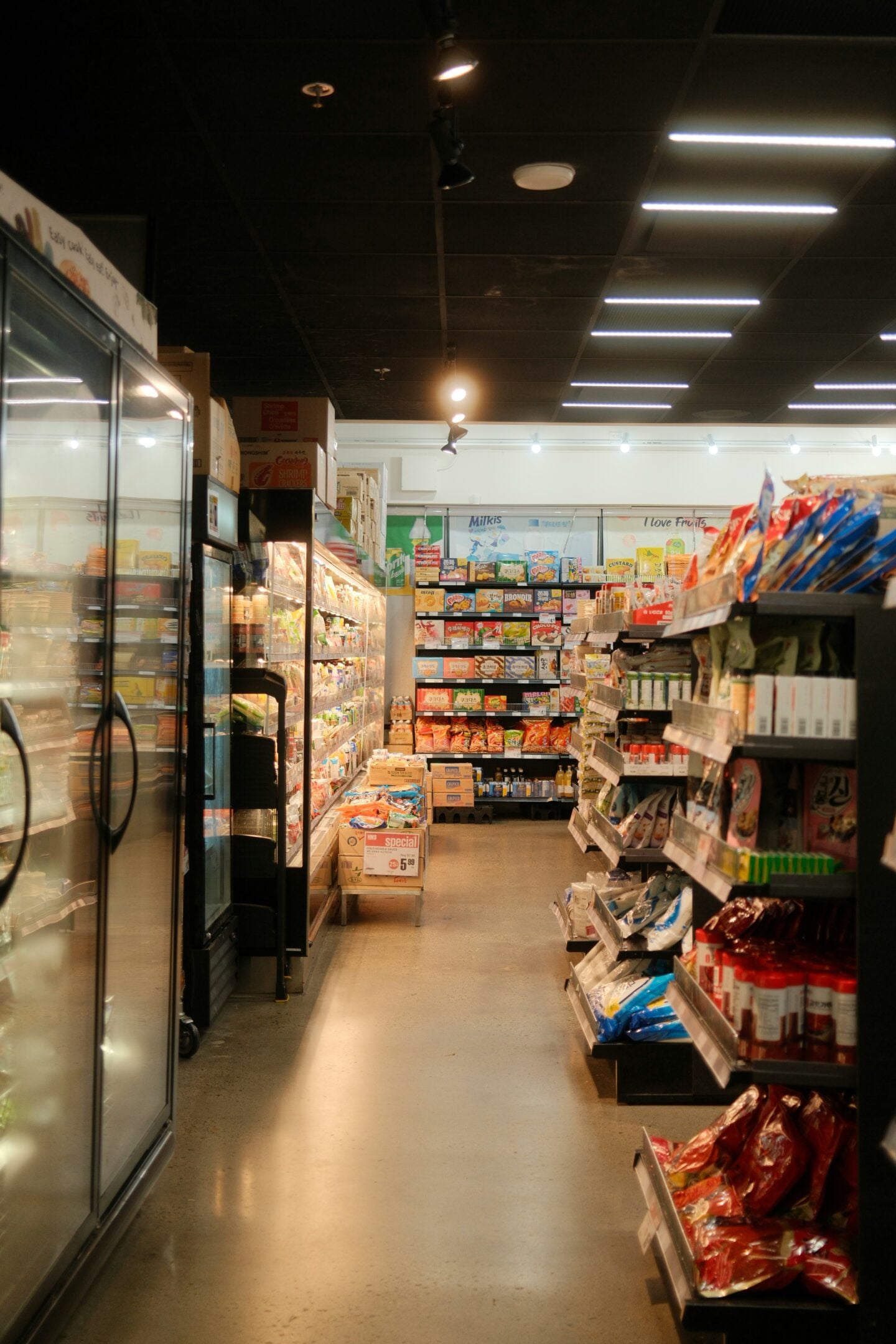
Transparency Through Food Recalls
When recall information is handled properly, it becomes a useful source of accountability. It shows exactly what went wrong, where it happened, and who was involved. This might be contamination at a processing site, poor hygiene standards, or a breakdown in labelling controls. Being able to trace a product back to its source through recent recall information enables regulators and companies to identify weaknesses in the supply chain. It also exposes those weaknesses. A recall makes it harder for problems to stay hidden behind complex supply networks or internal processes.
Over time, this kind of visibility leads to practical improvements. Processes change, inspections tighten, and risks are taken more seriously because there is a clear record of what failure looks like.
Food Recalls, Transparency, And Trust
Public recall notices play an important role in building trust. They show that problems are not being quietly ignored or dealt with behind closed doors. Instead, information is shared openly, even when it reflects badly on a company.
Recalls are not good news for any business, but how they are handled matters more than the mistake itself. When companies act quickly and communicate clearly, it signals responsibility. Consumers can see that their safety and that of their families comes first, even when it is costly or damaging to their reputation.
Trust does not come from claiming everything is perfect. It comes from showing how problems are dealt with when they are not.
The Limits Of Recalls And The Need For More Transparency
Recalls help expose issues, but they are still reactive. By the time a product is pulled, the damage has already happened. True transparency must exist well before anything reaches the point of recall.
Better traceability systems make a difference here. If companies can accurately track ingredients across the supply chain, problems can be contained more quickly and with less disruption. This also reduces the number of products affected when an issue arises.
Clear labelling is another basic but important part of transparency. When consumers understand what they are buying and where it comes from, the relationship becomes more honest and less dependent on trust alone.
Conclusion
Food recalls show how transparent the food industry really is when it is under pressure. They expose weak systems, poor oversight, and gaps in accountability. At the same time, they also show whether companies are willing to act openly and take responsibility.
Recalls alone are not enough to guarantee transparency, but they highlight why it matters. The more visible the supply chain becomes, the easier it is to protect consumers, correct failures, and rebuild trust when mistakes happen.
Thanks for stopping by!
Magda
xoxo
<3