Planning a full roof replacement is a significant investment for homeowners. This process involves careful consideration of various factors to ensure that the outcome aligns with both functional needs and aesthetic desires.
From material choices to budget constraints and scheduling, each element plays a crucial role in determining the success of a roofing project. Understanding these elements helps homeowners navigate the complexities and results in a roof that provides protection and enhances property value.
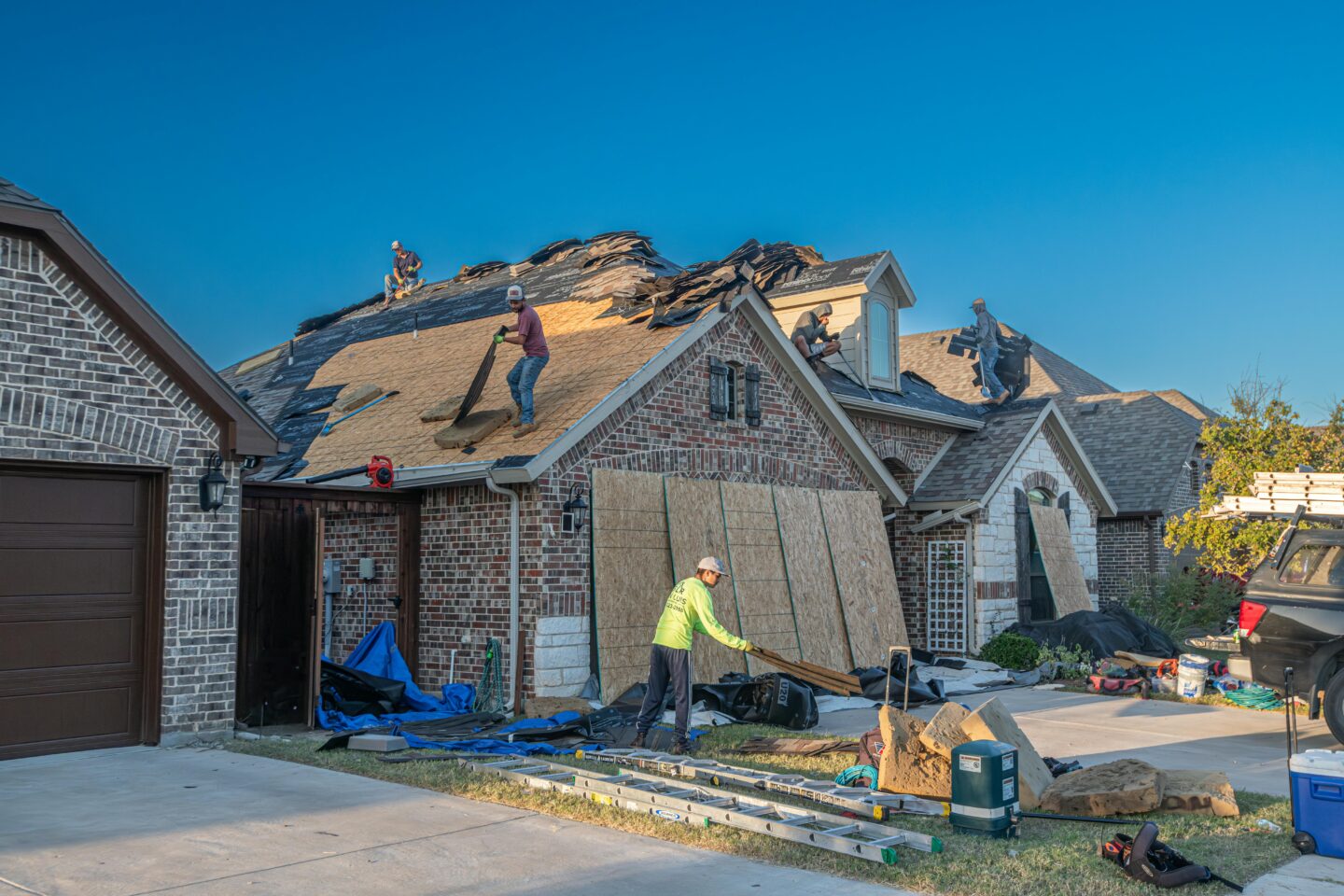
Understanding Roofing Needs
The first step in planning a roof replacement involves assessing the specific needs of the home. Homeowners must evaluate factors such as the current condition of their roof, the climate of their area, and the architectural style of the house.
Homes located in areas prone to heavy snowfall may require sturdier materials that can withstand extreme weather conditions. Many homeowners choose to upgrade their roofs for better protection and to improve energy efficiency. An energy-efficient roof can significantly reduce heating and cooling costs.
Homeowners often seek professional help during the inspection process, as experienced contractors can identify underlying issues that may not be immediately apparent. This assessment often serves as a basis for selecting suitable roofing materials. Homeowners need to obtain an accurate evaluation as they embark on this project.
Selecting The Right Materials
Choosing the right roofing material is one of the most critical decisions homeowners face when planning a roof replacement. There are numerous options available, including asphalt shingles, metal roofing, clay tiles, and more.
Each material has its own set of advantages and disadvantages, affecting everything from durability to cost, maintenance, and visual appeal. Asphalt shingles are popularly known for their affordability and ease of installation, making them a common choice for many homeowners.
Metal roofing, while potentially more expensive, offers a longer lifespan and excellent energy efficiency. Homeowners are increasingly conscious of environmental considerations and may opt for sustainable materials, which can enhance resale value. Homeowners should research different materials thoroughly, considering both short-term and long-term implications on cost and performance.
Budgeting For A Roof Replacement
Budget considerations are paramount when planning a full roof replacement. Homeowners must account for the material costs and labor, potential permits, and unforeseen expenses that may arise during the installation process. It is vital to establish a realistic budget that factors in the desired roofing material and the size of the home.
Many contractors recommend including a contingency fund of around 10 to 20 percent for unexpected costs, thus ensuring financial flexibility. Homeowners are encouraged to utilize tools like an online roof replacement cost calculator from eRoof to obtain a rough estimate of expenses. A reliable calculator can help homeowners visualize their budget more clearly, aiding them in making informed decisions throughout the planning process.
Planning For Installation Timing
Timing plays a significant role in the roofing replacement process. Factors such as weather conditions, the contractor’s availability, and the homeowner’s schedule can all influence when to begin the project.
Most roofing replacements are best undertaken during milder weather to avoid adverse conditions that can lead to delays or complications. Spring and fall are typically regarded as optimal seasons for roofing work, while summer might pose risks due to extreme heat, and winter can lead to any number of challenges in snowy regions.
Homeowners should work closely with their chosen contractor to agree on a feasible timeline and understand the expected duration of the project. Transparency about timelines allows homeowners to prepare accordingly, ensuring that both they and their contractors are on the same page.
Considering Long-Term Implications
The repercussions of a full roof replacement extend beyond the immediate installation period. Homeowners must think about the longevity and warranty of the material selected, as these factors impact both maintenance needs and future costs.
Choosing high-quality materials may incur higher initial costs but can lead to savings through reduced maintenance and increased energy efficiency. A well-installed roof can enhance a home’s resale value significantly, making it an investment worth considering carefully.
Understanding local regulations and homeowners’ association rules regarding roofing can save homeowners from potential compliance issues down the line. These nuances may influence material choices and installation methods, highlighting the importance of thorough research throughout the planning phase of a roof replacement.
Evaluating Energy Efficiency Opportunities
Modern roofing projects increasingly incorporate energy-efficient solutions, making this a key consideration for many homeowners. Options such as cool roofs, reflective shingles, and improved attic insulation can significantly reduce heat absorption and improve home comfort. These enhancements contribute to lower energy bills throughout the year, particularly during hot summer months when cooling costs tend to rise.
Homeowners who prioritize sustainability often explore solar-ready roofing structures or integrated solar shingles. Although these upgrades may require a higher initial investment, they offer substantial long-term financial benefits and increase the property’s value. Evaluating these energy-improving options during the planning stage ensures that homeowners select a roofing system that aligns with both environmental goals and long-term cost savings.
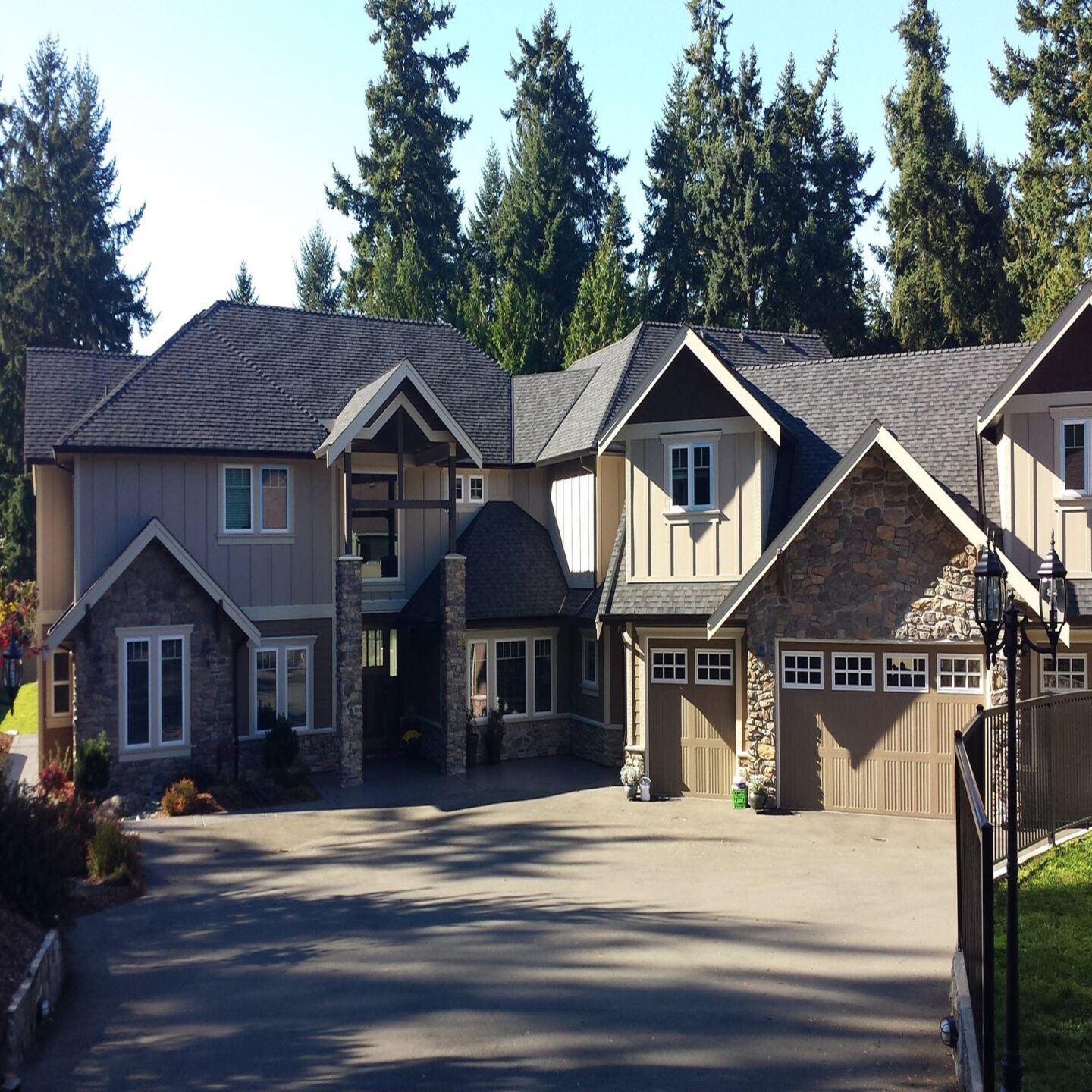
Preparing The Home For The Replacement Process
Proper preparation before installation begins is important for a smooth and efficient roof replacement. Homeowners often need to clear the surrounding area, including patios, driveways, and outdoor furniture, to provide safe access for workers and equipment. Ensuring that vehicles are relocated and fragile items inside the attic are protected can help prevent accidental damage during the project.
Communication once again plays a vital role during preparation. Contractors may offer guidance on how to secure pets, protect landscaping, or even temporarily adjust daily routines. When homeowners take proactive steps to prepare their property, the installation process becomes more organized, minimizing disruptions and reducing the likelihood of delays or complications.
Exploring Warranty And Insurance Considerations
Another key element homeowners often evaluate during the planning phase is the warranty and insurance coverage associated with their roof replacement. Manufacturer warranties can vary significantly, with some offering limited coverage while others provide long-term protection against defects and premature deterioration. Contractor workmanship warranties ensure accountability and protect homeowners from issues that may arise due to installation errors.
It is equally important to confirm that the roofing contractor carries proper insurance, including liability and workers’ compensation coverage. This protects homeowners from unexpected financial burdens if accidents or damages occur during the project. By prioritizing comprehensive warranty options and verifying insurance documentation, homeowners establish peace of mind and safeguard their investment for years to come.
Homeowners face a myriad of considerations when planning a full roof replacement. From assessing immediate roofing needs and selecting appropriate materials to budgeting effectively and choosing the right contractor, each factor is integral to the success of the project.
By accounting for installation timing and long-term implications, homeowners can ensure a successful roofing endeavor and enhance their property value and comfort for years to come. Careful planning and research will lead to informed decisions and, in turn, a roof that meets both protection standards and aesthetic values.
Thanks for stopping by!
Magda
xoxo
<3