A fresh coat of exterior paint can make a house feel new again. It protects your siding, lifts curb appeal, and sets the tone for the block. Planning it well saves time, money, and a lot of stress.
Before you pick a color, think about timing, budget, prep, and rules. You will want to consider paint chemistry, sheen, and local climate. With a clear plan, your project moves fast and finishes clean.

Smart Research And Ongoing Learning
Homeowners today can learn fast from reputable sources. Compare product data sheets and installation guides rather than relying on hearsay. One practical place to dig deeper is a well-maintained painting company blog that explains how temperature and humidity affect performance, then you can cross-check those tips with manufacturer specs. Keep notes so you can repeat what worked next time.
Test before you commit. Paint small sections on different sides of the house and live with them for a few days. The right choice often becomes clear when you see it in all lights.
Document your project. Save color names, sheen, lot numbers, and leftover amounts. Future touch-ups will match cleanly when you have the details.
Timing And Weather Windows
The weather decides how smoothly paint goes on and how well it cures. Aim for dry days with mild temperatures and steady conditions. A home advice guide from Better Homes & Gardens explains that fair, not extreme, weather helps exterior paint level and adhere.
Moisture is the quiet spoiler. Morning dew, recent rain, or heavy humidity can delay work and mark the finish. Watch the hourly forecast and give wet surfaces time to fully dry.
To stress-test your schedule, track a full week of weather, not just one day. Build in a buffer for shade and sun movement around the house. Use a simple checklist:
- Dry forecast for at least 24 to 48 hours
- Moderate daytime highs and stable overnight lows
- Low wind to reduce overspray and dust
Budget, Bids, And True Project Cost
Most homeowners focus on the price per gallon, but labor and prep dominate the budget. Square footage, number of stories, and trim detail all move the needle. Cost guides note that typical whole-house projects often fall in a mid-four-figure range, with price per square foot influenced by prep needs and access.
Get at least three written bids that break out labor, materials, and repairs. Ask how many coats are included and whether caulking and primer are line items. Small differences in scope can explain big differences in price.
Build a 10 to 15 percent contingency for surprises. Hidden wood rot, failing caulk, or lead-safe steps can add work. This cushion keeps the project moving without last-minute scrambles.
Prep Work And Surface Condition
Great paint jobs are mostly prep. That means washing, scraping, sanding, and spot-priming until the substrate is sound. A how-to guide from a major paint retailer stresses a thorough wash to remove dirt, mildew, and loose paint before any coating goes on.
Repairs come next. Replace soft wood, set and fill nails, and fix open joints. Correct problems now so they do not telegraph through the finish.
Masking and protection save cleanup time. Cover landscaping, fixtures, and hardscape. Good masking helps edges look crisp and keeps cleanup tight.
Paint Type And Sheen Choices
Your climate and siding type guide the chemistry. 100 percent acrylic exterior paints handle UV better and move with temperature swings. Oil primers can still help with stain-blocking and spot-priming problem areas.
Sheen matters more than most people think. A satin finish balances easy cleaning with a forgiving look on older siding. A consumer guide from Behr notes that satin often resists dirt and moisture while still keeping a subtle glow.
Reserve semi-gloss for trim and doors where durability matters. On large walls, high sheen can highlight surface flaws. Flat can hide issues, but may hold dirt more.
Color Strategy, Curb Appeal, And ROI
Color is part art and part resale math. Real estate data outlets report that many of the highest return projects happen outside, where first impressions form fast. Exterior paint refreshes the biggest surface on your property, which magnifies results.
Use color to highlight architecture. Lighter body colors with darker trim can sharpen lines, while a contrasting door sets the focal point. Sample large swatches and check them at different times of day.
When thinking about value, focus on timeless picks. Here are smart moves:
- Choose a neutral main color that fits the block
- Use one accent for the front door or shutters
- Keep trim crisp to frame windows and rooflines
Cold-Weather Products And Application Limits
If you must paint in cooler seasons, plan carefully. Some modern latex formulas will cure at lower temperatures than older versions. Manufacturer FAQs say certain lines can be applied in the mid-30s, but many traditional latex paints still need warmer conditions.
Mind the difference between air and surface temperature. Siding can be colder than the air at dawn and hotter in direct afternoon sun. Use an infrared thermometer to stay within the product’s stated range.
Shorter days affect dry time. Start later so the dew burns off, then stop early to avoid a cold snap. Follow recoat windows so the second coat bonds right.
Working With Pros Or DIY
Decide early whether you will hire out or go DIY. Two-story homes, tall gables, and complex trim favor a pro crew with staging and safety gear. Simple ranch homes with modest trim can be a DIY weekend project with help.
When hiring, review recent projects and ask about crew size, daily start times, and cleanup. Request a sample section on a low-visibility wall to check color and coverage. Good crews welcome clarity.
For DIY, gather tools before you start. You will need a quality brush set, roller frames and covers, extension poles, a sturdy ladder, and safety gear. Practice a steady brush line on scrap before cutting in around windows.
Scheduling, Sequencing, And Daily Flow
Order of operations keeps the site tidy. Wash and dry, then repair, prime, and paint from top to bottom. Trim and doors come last, so they stay clean while the walls get rolled.
Build a simple day plan. Mornings can be for shade sides and detail work, afternoons for broad walls as the sun moves. End each day with a cleanup and a quick punch list.
Communication avoids rework. If you are using a pro crew, confirm the sequence and who handles small extras like mailbox reinstallation. A few minutes of planning saves hours.
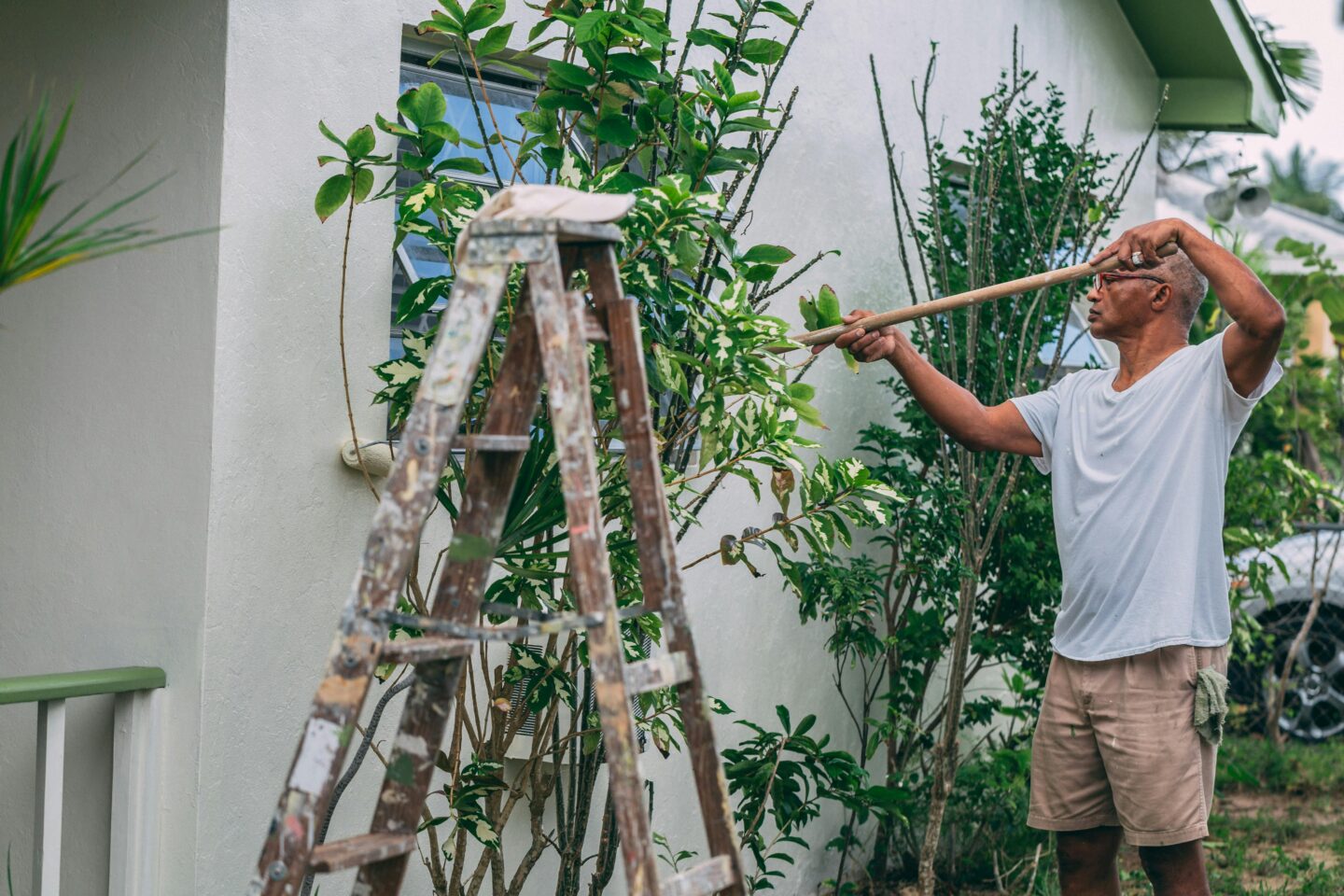
Exterior painting is part design, part science, and part steady work. When you line up weather, budget, prep, and product, you set the stage for a smooth project. Then you can enjoy a crisp finish that makes your home feel fresh again.
Take your time on samples and sequencing. Get the details right, and the rest follows. A plan you trust is the best tool in the kit.
Thanks for stopping by!
Magda
xoxo
<3