A lot of people will have spent years researching and considering heat pumps before finally pulling the trigger. There have been so many competing bits of information popping up over the decades that have complicated things for a lot of people, that when it comes to actually figuring out the basics of installation, it’s not at all uncommon to feel somewhat lost.
If you’ve recently decided to go for it, then you’re in the right place – read on for our no-nonsense guide on what to look for in a heat pump installer.
Accreditation
One of the most basic things to look for in an installer is some accreditation. For example, if you want your install to be eligible for government grants, then you’ll need to go with a provider that’s MCS (Microgeneration Certification Scheme) certified. You can find more details about grant eligibility from resources like Thermly, which can make the research stage a lot easier to manage.
It’s also worth checking whether they’re members of other professional bodies, and what kind of warranty they provide on their work. Heat pumps are expensive installs to leave up to chance, and it’s not worth risking a warrantyless install in most cases.
A Reasonable Quote
Even though you’ll likely be eligible for government grants, it’s still important that the job isn’t too expensive. Take a look at how much you should expect to pay (roughly between £7000 – £13,500, with an average of about £11,000) so that you can avoid any extortionate providers.
If all the providers that you contact are offering similarly expensive quotes, then there’s probably a reason for it. Ask them to explain why your install is a more complicated job than others, and assess which provider seems the most competent and reasonable.
Proper System Design
It’s important that the installation is properly designed to accommodate the nuances of your home, and you can ask to see those designs before the actual work is done. Don’t expect an incredibly complex set of diagrams, but at least get some basic information on where various parts of the system will go, what holes (if any) in your walls need to be cut, and how disruptive the installation will be to your day-to-day life.
Planning Details
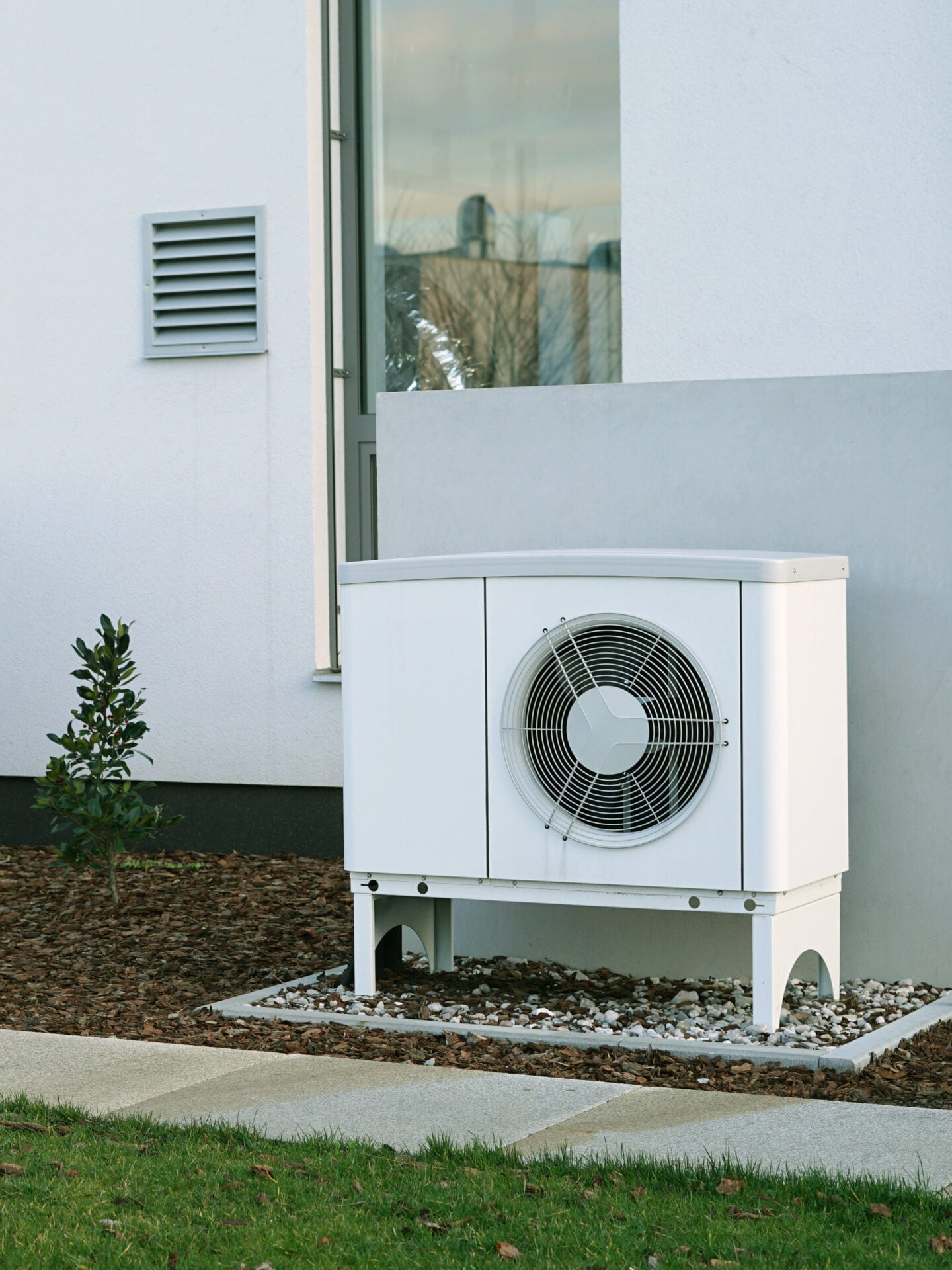
It’s important to note that there are some regulations that cover how heat pumps are installed. You need to pay special attention when the heat pump is located near someone else’s property; there can be noise restrictions, and also restrictions placed on the height of the unit relative to neighbours’ windows.
Make sure that your installer is aware of all of these potential issues and knows how to navigate them effectively, so you’re not left with a big headache later on.
Getting a heat pump installed can lead to big improvements on your home’s energy efficiency, but only if you do it right. By following the tips outlined above, you should be able to find the perfect installer, and avoid a lot of potential problems as a result.
Thanks for stopping by!
Magda
xoxo
<3