Packing often feels like a puzzle with no clear solution. Bring too much, and heavy bags drain energy before the trip even begins. Forget something critical, and the first hours at a destination revolve around tracking down a pharmacy or clothing store.
The difference between a smooth departure and a frantic one usually comes down to preparation. A thoughtful approach to selecting and organizing travel items keeps luggage manageable and minds calm.
Here is a practical breakdown of what belongs in every suitcase, organized by category, so nothing important gets left behind.
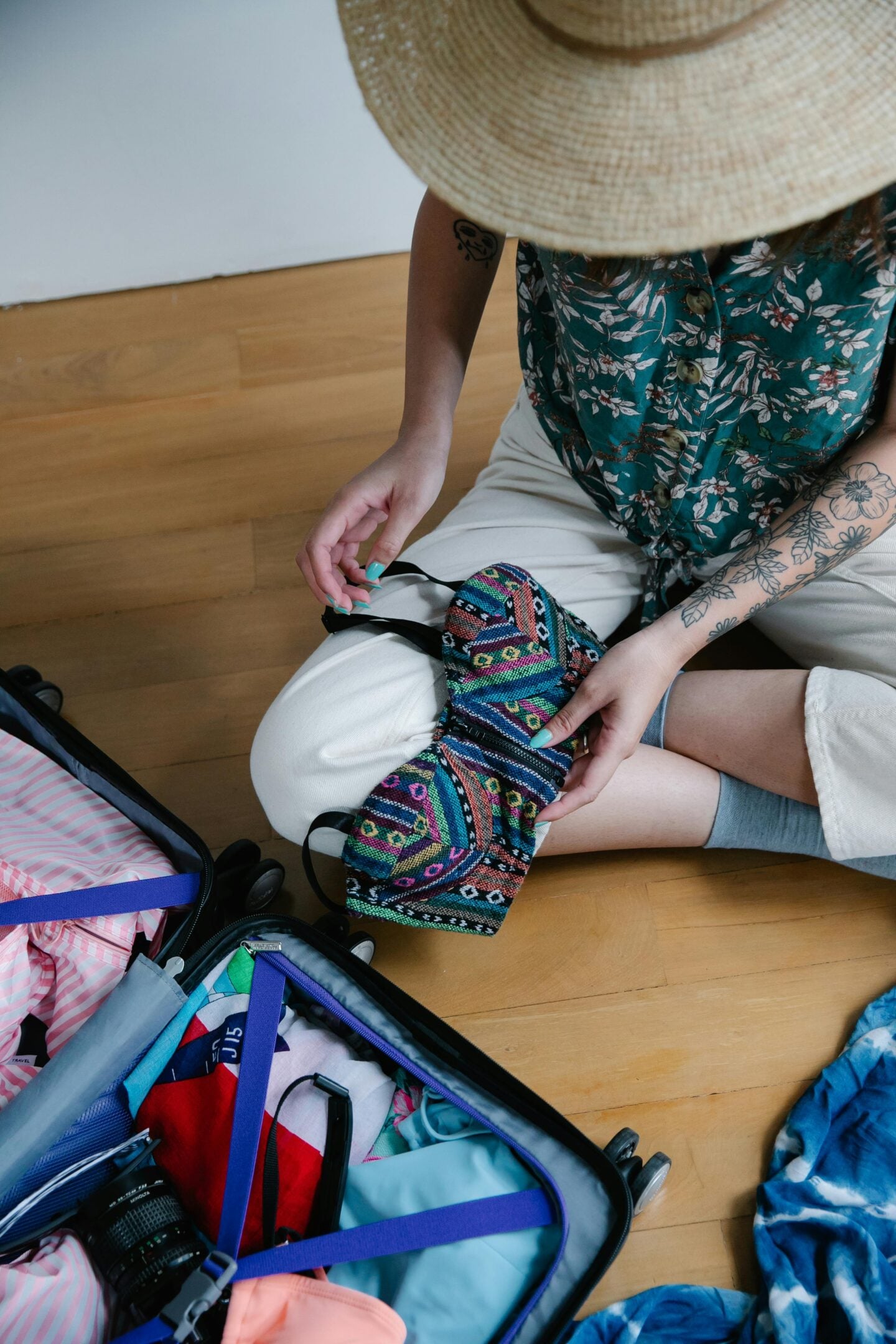
1. Start With A Packing Checklist
Writing things down eliminates guesswork. About a week before departure, travelers should list everything they plan to bring, sorted into groups: clothing, toiletries, electronics, and paperwork. Each item gets checked off as it enters the bag. Keeping a saved version of this list on a phone makes future trips faster, especially after crossing off things that never left the suitcase.
Consulting trusted vacation packing tips during this stage often surfaces overlooked necessities, from portable chargers to stain-removal wipes. Once the habit sticks, pre-trip preparation becomes automatic.
2. Clothing That Works Harder
2.1 Choose Versatile Pieces
Neutral tones and simple patterns let a handful of garments create several distinct outfits. A pair of dark pants transitions from a walking tour to a casual dinner with just a shirt swap.
Wrinkle-resistant materials, such as merino wool or performance blends, hold their shape inside a packed bag and look fresh without an iron.
2.2 Layer for Changing Weather
Morning temperatures rarely match afternoon conditions, and indoor cooling systems add another variable. A packable windbreaker or thin insulating layer covers both situations without occupying much space.
Rolling each garment tightly, rather than folding it flat, compresses the load and reduces visible creases.
3. Toiletries And Personal Care
Travel-size containers carry enough product for a full week without weighing down a bag. Solid alternatives, like bar shampoo and toothpaste tablets, sidestep liquid restrictions on flights entirely. Grouping every bottle and tube inside a clear, zip-seal pouch keeps security screening quick and painless.
Sunscreen and insect repellent earn a spot on every packing list regardless of climate. A bad sunburn or a cluster of bites can turn an active itinerary into a recovery mission.
4. Electronics And Chargers
Most travelers carry at least two or three devices that each require a different cable. A universal power adapter handles outlet variations across borders, while a portable battery pack keeps phones and tablets alive during long layovers. Noise-canceling earbuds transform a noisy cabin into a quieter personal space.
Bundling all cords and adapters into a small organizer pouch prevents the familiar tangle that forms at the bottom of every carry-on.
Protecting your devices while traveling is just as important as keeping them charged. A durable phone case, such as those from Ghostek, can safeguard your smartphone from accidental drops, scratches, or rain during your adventures. Pairing it with a portable charger or a compact cable organizer ensures your tech stays functional and secure throughout your trip. Even small, thoughtful accessories like these can make travel less stressful and give you peace of mind. Choosing items that combine practicality with protection helps keep your electronics ready for every part of your journey.
5. Travel Documents And Money
Passports, boarding passes, and reservation confirmations should sit in a dedicated pouch or slim folder within arm’s reach. Storing digital copies in a secure cloud application provides a backup if physical versions are misplaced. A combination of one credit card and a modest amount of local currency covers most payment situations, including small vendors who only accept cash.
Travelers crossing international borders should also alert their bank before departure to prevent unexpected transaction holds.
6. Health And Safety Essentials
A small first-aid kit handles minor issues without a trip to an unfamiliar clinic. Adhesive bandages, pain relievers, anti-diarrheal medicine, and any personal prescriptions cover the most common needs. Hand sanitizer and disinfecting wipes reduce exposure to germs on flights and public transit.
Storing a photocopy of each prescription separately from the actual medication simplifies the process if a refill becomes necessary abroad.
7. Bags And Organization Tools
Packing cubes divide a suitcase into tidy compartments, separating fresh clothing from worn pieces and compressing bulkier items into flat blocks. A foldable daypack tucks inside checked luggage during transit, then serves as a lightweight bag for sightseeing once unpacked.
Reusable zip-seal bags protect electronics from unexpected rain and double as snack storage during day trips.
Conclusion
Thoughtful packing turns a hectic morning into a confident, calm send-off. A reliable checklist, multi-purpose clothing, and a few organizational tools keep bags compact and shoulders relaxed. Choosing items that serve more than one function also leaves room for souvenirs on the return leg.
The best system improves over time; noting what stayed untouched at the bottom of a bag helps refine the list for next time. A little forethought goes a long way, letting the real focus land where it belongs: on the experience ahead.
Thanks for stopping by!
Magda
xoxo
This article contains a commercial collaboration. All content published on Glory of the Snow is subject to editorial review and published in line with our editorial standards