Dust does not simply appear on shelves overnight. Much of what eventually settles on furniture, floors, and other surfaces spends time moving through the air first. That is why maintaining a cleaner home involves more than wiping and vacuuming. A regular house cleaning service can help keep dust and buildup under control, but understanding how airflow, humidity, ventilation, and outdoor particles affect the home can make everyday cleaning much more effective.
A home is constantly exchanging particles with its surroundings. Open doors, shoes, pets, cooking, fabrics, heating and cooling equipment, and even people themselves all contribute to what eventually needs to be cleaned.
Source: Pexels
Dust Is Always On The Move
What we call household dust is a mixture of many tiny particles. Some come from outdoors, while others originate inside the home.
Every time someone walks across a room, sits on upholstered furniture, adjusts bedding, or opens a door, fine particles can become airborne again. Air currents then carry them elsewhere before gravity eventually pulls them onto another surface.
This explains why freshly dusted furniture can develop another visible layer surprisingly quickly. The cleaning was not necessarily ineffective. New particles simply continued circulating afterward.
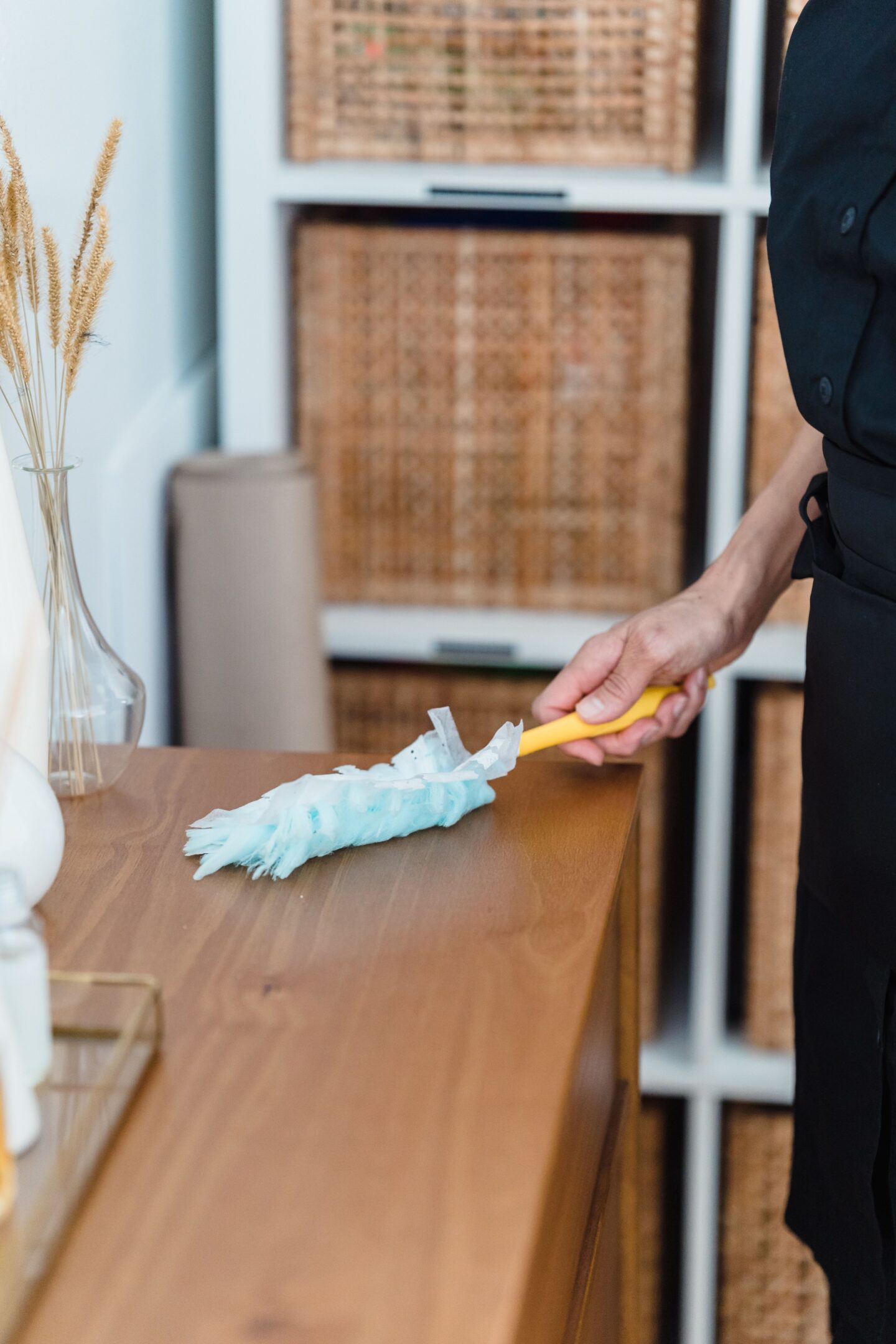
One useful approach is to remove dust rather than repeatedly disturbing it. A slightly damp microfiber cloth, when appropriate for the surface, can capture particles more effectively than dry methods that may send some of them back into the air.
Vacuuming after dusting can also collect material that falls during the process.
Open Windows Can Help And Hurt
Opening windows can make a home feel fresher almost immediately. Fresh air can reduce stuffiness and help move indoor odors outside, especially after cooking or during periods of pleasant weather.
However, outdoor air also brings outdoor particles with it.
Pollen, fine soil, traffic-related particles, and other debris can enter through screens and open windows. Homes near busy roads, construction activity, dry landscaping, or areas with heavy pollen may notice this more than others.
That does not mean windows should remain closed. It simply means timing matters.
Opening them when outdoor conditions are calm may provide ventilation without introducing as much debris. When winds are strong or pollen levels are high, shorter ventilation periods may make more sense.
Screens deserve attention too. A dusty screen can release accumulated material whenever air passes through it.
Humidity Changes How Dirt Behaves
Humidity can quietly affect cleaning in several ways.
When indoor air is very dry, dust and lightweight particles can remain airborne more easily. Static electricity may also cause fine debris and hair to cling to certain surfaces.
High humidity creates different challenges. Moist conditions can make some surfaces feel tacky, allowing particles to adhere more readily. Excess moisture may also contribute to musty odors or create conditions where mildew can develop in poorly ventilated areas.
Bathrooms, laundry areas, and other moisture-producing spaces therefore benefit from adequate ventilation.
Small habits can make a difference. Running an exhaust fan during and after activities that produce steam, drying wet surfaces, and avoiding piles of damp towels can prevent moisture from lingering longer than necessary.
A cleaner-looking home is often easier to maintain when indoor moisture is reasonably controlled.
Heating and Cooling Systems Influence Every Room
Heating and cooling equipment moves large volumes of air throughout a home. Anything carried in that air has the opportunity to travel with it.
Dust around vents is often a visible clue.
Keeping accessible vent surfaces clean can prevent buildup from becoming noticeable. Filters also play an important role in many systems, although replacement schedules depend on the specific equipment, filter type, household conditions, and manufacturer recommendations.
Homes with pets, renovation activity, or unusually dusty conditions may require more frequent attention than homes with fewer particle sources.
Furniture placement matters as well. Blocking vents can affect airflow patterns and may cause dust to settle differently around a room.
The goal is not to eliminate every airborne particle, which is unrealistic. It is to reduce unnecessary circulation and accumulation.
Cooking Adds More Than Delicious Smells
Cooking changes indoor air quickly.
Steam, oils, smoke, and tiny food particles can travel beyond the immediate cooking area. Even when nothing appears visibly dirty at first, airborne grease can gradually settle onto nearby surfaces.
That residue can then attract ordinary dust, creating a layer that is more difficult to remove than dry dust alone.
Ventilation can help limit the spread. Using an appropriate exhaust system when available and cleaning splashes promptly can prevent buildup from becoming stubborn.
Nearby cabinet fronts, light fixtures, walls, and decorative items may also need occasional attention. These surfaces can collect a thin film slowly enough that the change is difficult to notice until they are cleaned.
This is one reason certain rooms sometimes feel dull even when their main surfaces appear tidy.
Fabrics Continuously Interact With The Air
Curtains, rugs, bedding, upholstered furniture, and other textiles influence indoor cleanliness more than their appearance might suggest.
Soft materials can collect dust and hair, but they can also release particles when disturbed. Sitting on a sofa, shaking out a blanket, or opening curtains can send a small amount of material back into circulation.
Regular vacuuming or laundering, where appropriate, reduces the amount available to spread elsewhere.
Bedding deserves particular attention because it is used for hours every day. Washing linens regularly and occasionally cleaning surrounding surfaces can help keep the bedroom from becoming a major source of circulating lint and dust.
Fabric does not need to look visibly dirty to benefit from maintenance.
What Comes Through The Door Travels Farther Than Expected
Outdoor debris rarely stays neatly beside the entrance.
Fine particles attached to shoes can move through several rooms before finally settling. Pets can carry in additional dirt on paws and coats, while packages, bags, and outdoor equipment introduce their own small amounts.
Creating a transition area near the entrance can reduce how far this material travels.
A good floor mat can capture some debris before it reaches interior flooring. Removing heavily soiled shoes, wiping wet paws, and sweeping the entrance when necessary can also reduce what eventually spreads elsewhere.
This type of prevention often saves more cleaning time than dealing with debris after it has traveled throughout the home.
Airflow Can Reveal Why Certain Areas Get Dustier
Some surfaces seem to collect dust much faster than others, and airflow is often part of the explanation.
Shelves near vents, electronics, ceiling fans, and surfaces located along common air paths may accumulate particles quickly. Areas that rarely receive direct airflow can develop different patterns, with debris gathering quietly in corners or behind furniture.
Watching where dust appears first can offer clues.
If the same table, shelf, or corner repeatedly becomes dusty before everything else, it may be positioned along a strong airflow path. Knowing this can help prioritize cleaning instead of treating every surface equally.
It can also explain why moving a piece of furniture sometimes changes where dust appears.
A Cleaner Home Starts Before The Cloth Comes Out
Cleaning will always be necessary, but the conditions inside a home determine how quickly the next round of work arrives.
Managing moisture, paying attention to ventilation, maintaining fabrics, controlling what enters through doors, and noticing airflow patterns can reduce how much debris settles throughout the living space.
These changes are not dramatic, and they do not require turning the home into a controlled environment. They simply address some of the reasons dirt accumulates in the first place.
That is what makes them useful. Instead of relying entirely on repeated wiping, scrubbing, and vacuuming, homeowners can reduce some of the conditions that create the mess. When less dirt circulates through the air and fewer particles travel from outdoors, everyday cleaning becomes faster, simpler, and easier to keep up with.
Thanks for stopping by!
Magda
xoxo
<3