Imagine being told the world isn’t built for you. Not in words, maybe, but in actions: a flight you can’t board, a hotel with no elevator, a historic site that says “no ramps, sorry.” For millions of people, this is a reality they face not once, but constantly. And here’s the truth a lot of people miss: accessible travel isn’t some fancy add-on. It’s not a VIP perk. It’s a basic human right.
Let’s talk about what that really means – and why it matters more than most people realize.

So, What Exactly Is Accessible Travel?
At its core, accessible travel just means making sure everyone can go where they want, when they want, without unnecessary obstacles getting in the way. That might look like wheelchair ramps, accessible bathrooms, elevators, sign language interpreters, audio guides, or trained staff who actually understand different needs.
It’s not just about physical disabilities, either. We’re talking about sensory, cognitive, and even temporary mobility challenges. Think aging travelers. Think parents with strollers. Think of someone recovering from surgery. Accessible travel helps all of us at some point in life.
And yet, the world wasn’t exactly designed with this in mind.
Why Do People Still Think It’s a Luxury?
Somewhere along the line, society got the idea that accessibility is “extra.” Like it’s a bonus feature, not a necessity. Hotels might advertise an accessible room like it’s an upgrade. Tour companies will often say, “We’d love to accommodate, but it’s just not part of the standard package.”
That mindset? It’s damaging.
Because when you treat something essential as optional, people get left behind. Not just in metaphorical ways, either – literally left behind, unable to access places and experiences others take for granted. It’s isolating. It’s frustrating. And frankly, it’s unfair.
The travel industry has made a lot of progress, sure. But we’re still far from the idea that everyone deserves to travel with dignity.
Let’s Be Clear: It’s A Right, Not A Privilege
The United Nations isn’t vague about this. Under the Convention on the Rights of Persons with Disabilities (CRPD), freedom of movement and access to culture, leisure, and recreation are guaranteed human rights.
Translation? People with disabilities aren’t asking for favors. They’re asking for the same freedom to move, explore, and enjoy the world as anyone else. That freedom shouldn’t depend on where you live, how much money you make, or what body you live in.
Travel is more than just vacations and sightseeing. It’s about connection. Education. Participating in the stories and cultures of the world. Nobody should be shut out from that because a building doesn’t have a ramp or a tour bus won’t accommodate a wheelchair.
What Happens When Travel Isn’t Accessible?
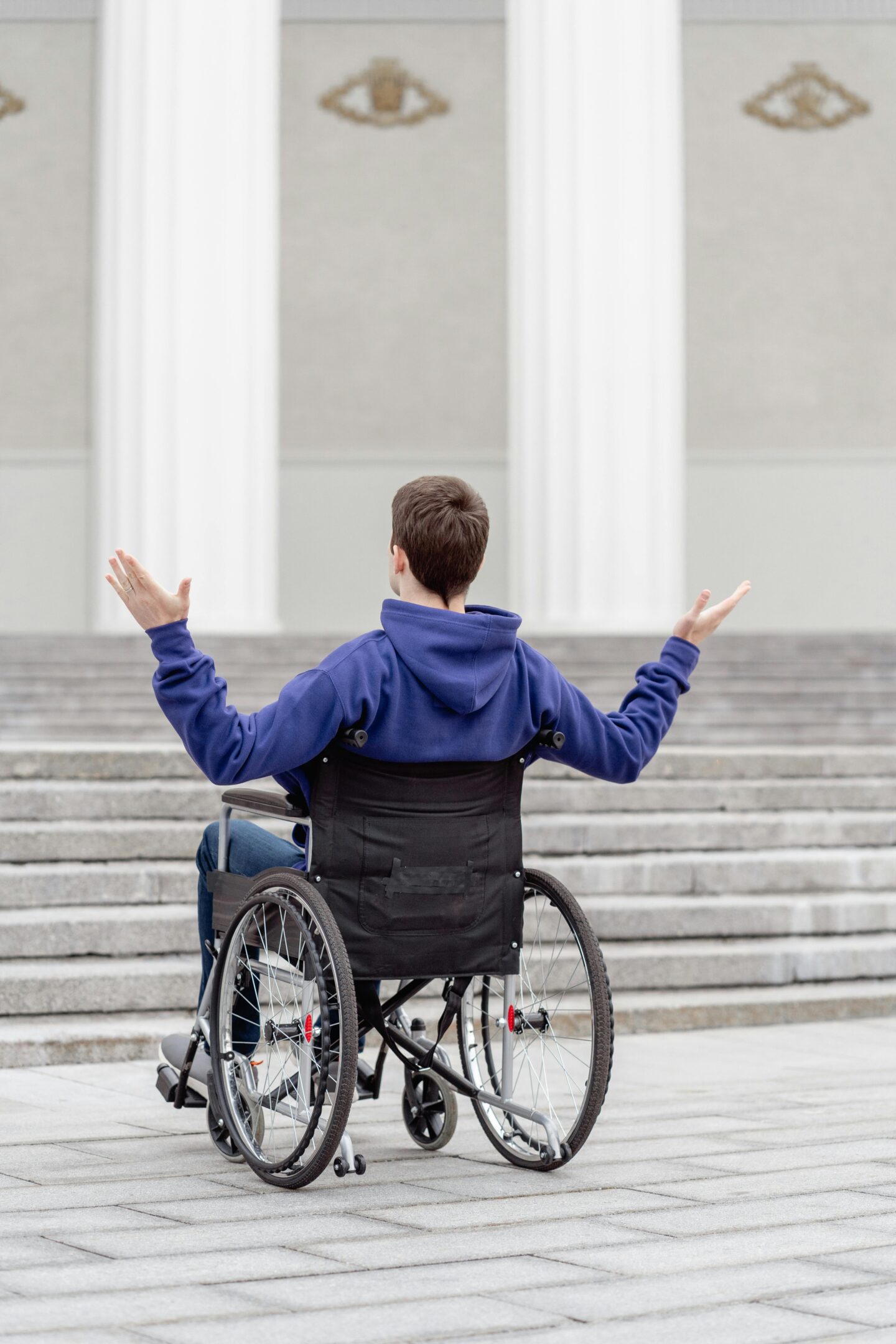
The impact is huge – and often invisible to those who don’t experience it firsthand.
Imagine saving up for years for your dream trip, only to find you can’t physically get into the main attraction. Or discovering at the airport that you can’t board the plane safely. Or calling hotel after hotel and hearing the same line: “We’re not set up for that.”
It means missing weddings. Avoiding family reunions. Saying no to opportunities. Being treated like an afterthought, again and again.
Let’s make it real. Picture someone who uses a wheelchair, finally ready to visit the Great Pyramids of Giza. A once-in-a-lifetime journey. But on arrival, there are stairs, sand, narrow paths, and no help. The dream becomes a disappointment.
That’s not how travel should feel. Ever.
But thankfully, that picture is starting to change. More destinations are recognizing the importance of inclusion, and some have gone the extra mile to make the impossible possible. Egypt, for instance, may not be the first country that comes to mind when you think of accessibility, but there are now thoughtfully designed wheelchair accessible Egypt tours that are opening doors – literally and figuratively – for travelers who once thought they’d never get the chance to see these ancient wonders up close.
Change Is Happening – And It’s Inspiring
Here’s the good news: more and more companies and destinations are waking up.
Airports are improving boarding processes. Hotels are designing with universal access in mind. Tour operators are offering accessible itineraries. Even places that once seemed completely off-limits – like ancient ruins and historic cities – are being reimagined with accessibility in mind.
It’s not just about ramps and elevators. It’s about saying, “You belong here, too.”
What Can You Do About It?
You don’t have to be a policymaker or architect to make a difference. Here’s how everyday travelers (yes, you) can help push for a more inclusive world:
- Support accessible businesses. Book with companies that prioritize inclusive travel.
- Ask the right questions. When planning a trip, inquire about accessibility. Your questions signal that it matters.
- Share your experiences. Whether you’ve faced obstacles or found a great accessible option, your story helps others.
- Advocate. If something isn’t accessible, say so. Leave reviews. Send emails. Push for change.
The more people speak up, the harder it becomes for the industry to ignore.
It’s Time to Rethink Travel for Everyone
We all crave new experiences. We all want to see the world, meet new people, and create lasting memories. Travel taps into something deeply human. But when entire communities are excluded, something’s broken.
The fix isn’t complicated: treat accessibility as standard. Not as a feature, not as an upgrade, and definitely not as a luxury.
Let’s start designing travel with everyone in mind. Let’s demand better. Because when we open the world to everyone, we all benefit.
You shouldn’t have to ask permission to explore it.
You should be welcomed.
Always.
Thanks for stopping by!
Magda
xoxo
<3