Long travel days can challenge vein function more than many people realize. Hours spent seated reduce the calf muscle pumping that helps blood move back to the heart. Cabin dryness, hot weather, and heavy baggage can add extra strain in the same stretch of time. For many adults, swelling settles by the next day. Repeated exposure, though, can aggravate valve weakness and raise the chance of visible vein disease or clotting trouble.
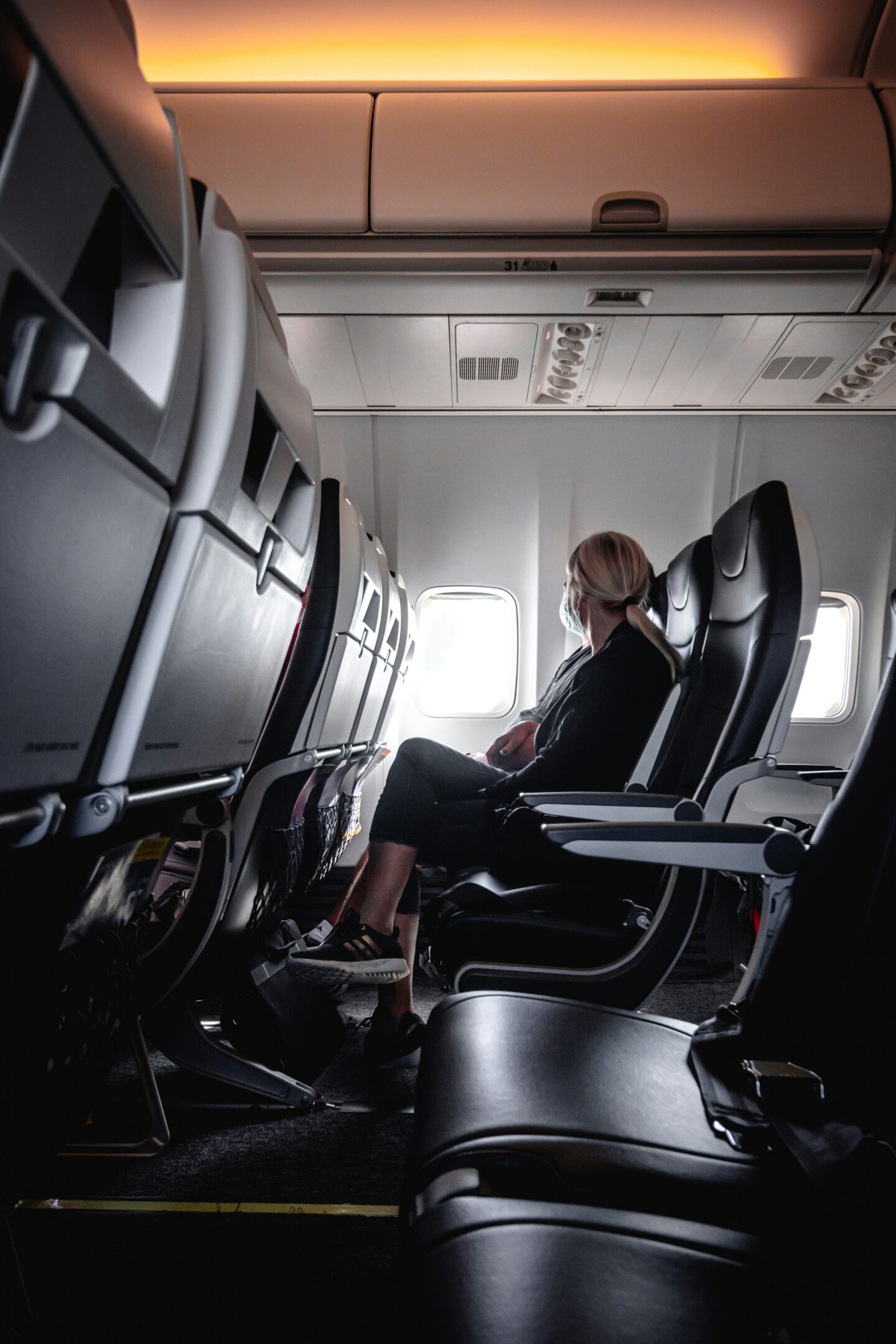
Sitting Slows Circulation
Extended sitting leaves the lower legs with less muscular support for venous return. Clinical guidance from Metro Vein Centers outlines how weakened valves can allow blood to collect in the legs after long periods of immobility, creating pressure inside surface veins and deeper vessels alike. Seat edges under the thighs may compress tissue. Over time, such pooling can stretch vessel walls and worsen heaviness, ankle fullness, or visible bulging.
Dry Air And Heat Add Stress
Air travel brings another burden, dry cabin air, which can contribute to mild dehydration. Reduced fluid intake may make blood more concentrated and slower to move. Many studies mark four hours as the point where clot risk begins to rise. Heat (high temperatures) can increase swelling before departure or after arrival. Salty food, common during travel, also encourages fluid retention in the lower limbs.
Tight Seats Limit Movement
Small seats restrict ankle flexion, knee extension, and the subtle leg shifts that support upward blood flow. Crossing legs may place extra pressure on surface vessels near the knee. Taller passengers often notice discomfort earlier because their joints stay bent for longer periods. Clothing plays a part, too, during long travel. Tight waistbands or socks with firm elastic can leave deep marks and increase soreness by the end of the day.
Heavy Lifting Raises Pressure
Lifting a suitcase into a car trunk or overhead bin briefly raises pressure inside the abdomen. It can make leg veins work against a stronger downward force. People with varicose veins may feel aching soon after repeated lifting. The following changes usually help in such cases:
- Carrying Smaller Bags: Smaller bags are easier on the body.
- Choosing Rolling Luggage: Rolling luggage also cuts down the strain that comes from carrying weight across terminals, stations, or parking lots.
Symptoms May Show Up Later
Vein-related symptoms often become more noticeable after the trip has ended. Once the body settles, fluid shifts can make strain in the legs easier to detect. Some people report throbbing, itching, warmth, or a dull cramp in the calves. Certain warning signs need prompt care. Sudden one-sided swelling, chest pain, or shortness of breath may signal a clot and deserve urgent evaluation.
Some People Face Higher Risks
Several health factors can increase vulnerability during long journeys. They include:
- Age, pregnancy, obesity, family history, prior clots, and recent surgery affect venous performance.
- Hormone therapy may add further risk in some adults.
- People who already spend most workdays seated might end up starting a trip with inefficient blood return in the first place.
A clinician can help identify personal concerns and suggest practical precautions before repeated travel.
Small Habits Can Help
Simple movement remains one of the best protective tools. Calf raises, ankle circles, and short walks engage the muscle pump that pushes blood upward from the legs. During road travel, stopping every one to two hours can relieve pressure and reduce stiffness. Water supports circulation better than alcohol or salty snacks. Compression socks may help some adults, though fit and strength should match individual needs.
Medical Care Matters When Signs Persist
Swelling that lasts after a trip should not be ignored, especially if one leg appears redder, hotter, or more tender. New bulging veins, recurring aching, skin discoloration, or sores near the ankle merit medical review. Early assessment can limit further damage.
Evaluation often includes the following to look for valve dysfunction, obstruction, or evidence of a clot:
- Symptom history
- A physical exam
- Ultrasound imaging
Conclusion
Travel is part of daily life for many people, yet routine habits during long trips can place meaningful stress on the veins. Prolonged sitting, restricted movement, dehydration, heat, and lifting can combine over a single day and hinder normal blood return. Small preventive steps often make a real difference. If swelling, pain, or skin changes continue after travel, a medical assessment can help protect comfort, circulation, and long-term leg health.
Thanks for stopping by!
Magda
xoxo
This article is for informational purposes only and is not intended as medical advice. Always consult a qualified healthcare professional regarding any medical concerns.
<3