Every single home will need repairs from time to time. It’s part of life. Things aren’t infallible, no matter how well-made or sturdy they are. But the thing with some repairs is they might seem so insignificant that you end up living with them, making accommodations for the issue and working around it. And while this is something that can be helpful in the immediate aftermath of the failure, moving forward, if you’re not addressing the problem, that small issue you’re having will suddenly turn into a really big bill if you’re not careful.
This post is going to look at some small home repairs that can definitely end up costing you a lot more if you don’t get them fixed sooner rather than later.
A Dripping Tap
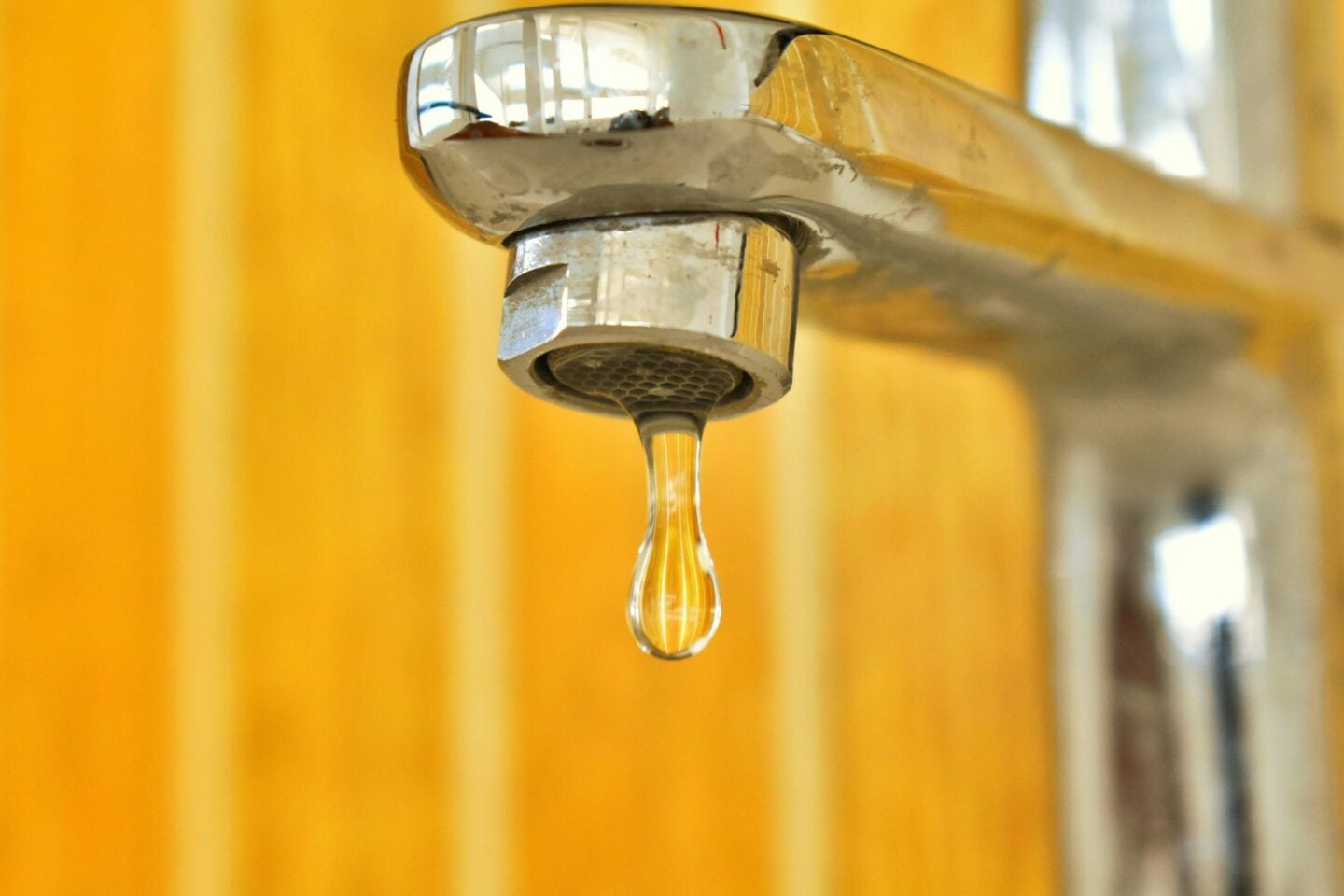
A dripping tap is pretty easy to overlook, but a drip that lasts even one second wastes thousands of litres over the course of a year. And if you’re on a metered supply, this can add up fast.
However, outside of the added bill, there’s a bigger issue at play with leaving a dripping tap to drip. It’s where the water is leaking. If water is constantly running over the same spot, it’ll start to stain and corrode the basin or sink. And then there’s the worn washer or cartilage that’s causing the drip. This won’t fix itself, and if you leave it long enough, the valve seat will get damaged too, turning a relatively inexpensive tap repair into a full tap replacement. It’s a quick and easy fix for the most part; you can find YouTube videos to help you fix a dripping tap. But leaving will ramp up the repair cost considerably.
Low Water Pressure
Some homes naturally have lower water pressure, and if that’s normal for you, then it’s not a problem you need to fix, but something to live with. But if you notice a considerable drop in your water pressure, then it’s time to figure out what’s going on, not just put up with it.
The change in water pressure in your home is usually the result of something that won’t resolve on its own and needs further investigation. It can be a partially closed stopcock, a failing pressure regulator, limescale building up in pipes or a slow leak somewhere in the system causing it.
If it’s a leak causing it,, then the longer longer it goes undetected, the more damage it’s going to cause, not just in your plumbing but in the areas surrounding where the leak actually is too.
This is the point you need to call in plumbing services right away to properly diagnose the cause of your low water pressure and get it rectified correctly and quickly.
A Slow-Draining Bath Or Sink
A sink that takes time to drain is more than a little bit annoying. It’s a sign that there’s a blockage somewhere that’s preventing water from draining away as it’s supposed to.
Drains can get blocked for a variety of reasons, whether in the bathroom or the kitchen, from grease that’s been poured down and settled in the pipes to getting clogged with hair or sap residue, etc. And these don’t usually clear themselves; they accumulate until nothing is draining at all.
You can use chemical drain cleaners for a short-term fix, and if it’s a relatively minor blockage, this might work. But if you’re experiencing constant blockages, then it’s time to look a little bit deeper, because if you use chemical drain cleaners too frequently, they’ll start to corrode the seals, and once this occurs, a simple blockage turns into a huge problem.
Damp Patches On Walls Or Ceilings
A damp patch is never just a damp patch. If you’re noticing it on your walls, then it’s likely water has been getting into the area, causing damage, and it’s probably been happening for a while now.
The source of your damp can be a number of different things, from a leaking pipe to a hole in your roof, a blocked gutter or a cracked render, for example.
Each one of these problems needs to be addressed to stop the damp getting any worse than it already is. Otherwise, you’re fighting a losing battle and making the original problems and subsequent damage worse.
Identify the reason you’re seeing dampness on your walls. Resolve it, then address the damp. If you don’t, the result could look like structural damage, crumbling plaster, bubbling paintwork and rot to timber frames. And these are not cheap or easy fixes once the mould has set in.
A Boiler Making New Noises
Your boiler shouldn’t be making any noises aside from the low hum of it firing up frequently to indicate it’s working and heating the water up. But what do you do if it starts making noises? Any sounds outside of the normal for your boiler need checking out asap.
If you hear sounds like banging, gurgling or whistling, then it’s time to call in an expert to identify the cause.
Kettling, for example, which sounds like kettle boiling inside the boiler, could mean there’s limescale build-up on the heat exchanger. Gurgling, on the other hand, could be a sign of air in the system.
None of these issues will resolve on their own so you need to get it fixed by a professional right away before any further damage is caused, resulting in you needing an entirely new boiler.
Cracked Grout Or Sealant Around Tiles
Grout and sealant around bath showers and splashbacks exist purely to stop water from damaging the walls around the area. When it cracks or shrinks away from the surface, water gets in with every shower or bath and sits against the wall behind.
Over the coming weeks or months, this will result in soaked plasterboard, which will swell and soften and eventually crumble.
And by the time you see this, the damage behind is already extensive enough that it’s going to be really expensive.
The only way around this is to be vigilant and check the seals frequently and repair or replace them once you see signs of them degrading.
Thanks for stopping by!
Magda
xoxo
This article contains a commercial collaboration. All content published on Glory of the Snow is subject to editorial review and published in line with our editorial standards