For years, luxury seating played a supporting role in interior design. Sofas and armchairs were often selected to complement the room rather than define it. Today, that approach is changing. Across modern homes, boutique hotels, and high-end apartments, luxury seating has become the focal point of the space itself.
This shift reflects broader changes in how people use their homes. Living spaces are no longer designed solely for entertaining guests. They have become places for relaxation, remote work, social connection, and everyday comfort. As a result, homeowners are investing more thought into the pieces they interact with most frequently, particularly seating.
From sculptural curved sofas to richly textured fabrics, current design trends show how luxury seating is shaping the mood and identity of contemporary interiors.
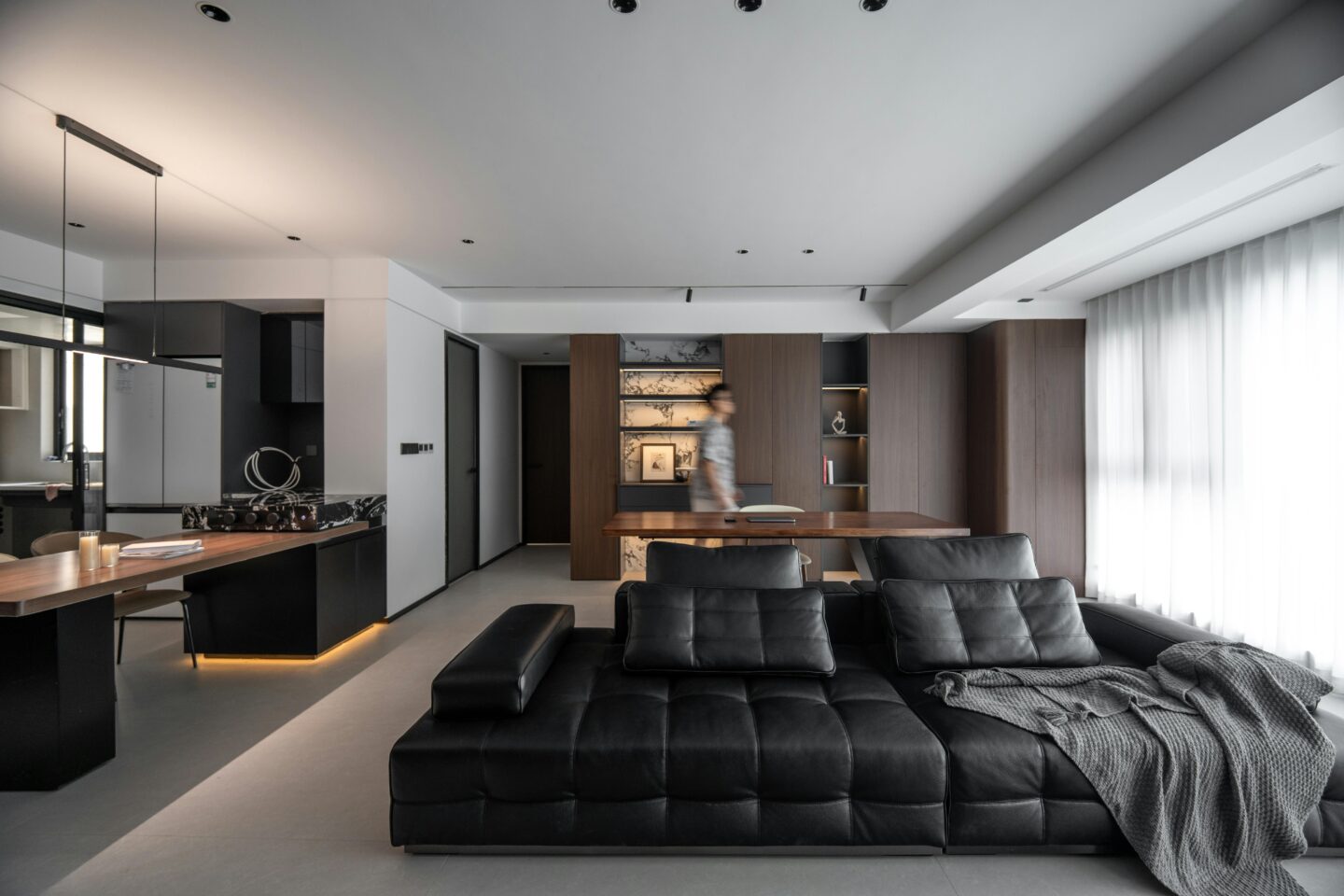
Comfort-Led Design Is Defining Modern Spaces
One of the most noticeable trends in recent years is the move toward comfort-focused interiors. Minimalism still influences many homes, but stark and overly rigid spaces are being replaced with softer, more welcoming environments.
Homeowners increasingly want interiors that promote relaxation and emotional wellbeing rather than simply looking visually impressive.
This is where luxury seating has taken center stage. Oversized sofas, deep cushions, and plush upholstery create rooms that feel inviting without sacrificing sophistication. Designers are prioritizing furniture that encourages people to linger, unwind, and spend more time together.
Many homeowners are also embracing investment pieces instead of filling rooms with excessive décor. High-quality seating offers both functionality and visual impact, making it one of the most important elements in a modern living room.
Brands like soulfa.com reflect this growing preference for luxury seating that prioritizes both comfort and sculptural design.
Curved Furniture Is Softening Interiors
Curved silhouettes are becoming one of the defining trends in luxury interiors. Rounded sofas, crescent-shaped sectionals, and sculptural accent chairs help soften spaces that might otherwise feel overly structured or cold.
Interior designers often point to the psychological effect of curves in design. Rounded forms tend to create a greater sense of comfort and flow compared to sharp lines and rigid angles. This can make a room feel calmer and more welcoming.
Curved seating also naturally draws attention, making it ideal as a statement piece. In open-plan living areas, a curved sofa can act as an architectural feature while subtly guiding movement through the room.
The popularity of this trend has been heavily influenced by both mid-century modern design and the resurgence of 1970s-inspired interiors. However, today’s interpretations feel more refined and contemporary, often featuring neutral palettes, textured fabrics, and understated luxury finishes.
Texture Is Becoming More Important Than Color
While bold color trends come and go, texture has become a major focus in luxury interiors. Bouclé, velvet, linen blends, and tactile woven fabrics are now widely used to add depth and warmth to living spaces.
This shift aligns with the growing popularity of sensory-driven design, which emphasizes how interiors feel as much as how they look. Textured seating creates visual interest while also enhancing comfort.
Bouclé, in particular, has experienced a major resurgence in recent years. Originally popularized in mid-century furniture, the fabric is now commonly associated with modern luxury interiors because of its soft, cozy appearance.
Velvet continues to remain relevant as well, especially in jewel tones and earthy neutrals. Its rich finish reflects light beautifully and adds a sense of sophistication without requiring excessive ornamentation.
Rather than relying on highly decorative accessories, many designers now allow luxury seating materials themselves to become the standout feature of the room.
Open-Plan Living Highlights the Importance of Statement Seating
The rise of open-plan living has also changed how people approach furniture selection. In spaces where kitchens, dining areas, and lounges blend together, seating often becomes the visual anchor that defines the room.
Without walls separating spaces, sofas and lounge chairs play a larger role in creating structure and balance. Designers frequently use statement seating to establish zones within open layouts while maintaining flow throughout the home.
Large sectionals have become especially popular for this reason. They maximize seating while helping divide multifunctional spaces naturally. Modular sofas are also in demand because they offer flexibility for changing layouts and evolving lifestyles.
Quiet Luxury Continues to Influence Furniture Choices
Another major influence shaping modern interiors is the rise of “quiet luxury.” Rather than emphasizing flashy décor or heavily branded aesthetics, quiet luxury focuses on craftsmanship, timeless materials, and understated elegance.
This philosophy has become especially visible in furniture design. Neutral-toned seating with clean silhouettes and premium materials often creates a more lasting impression than trend-driven statement pieces.
Earthy shades like sand, taupe, olive, cream, and warm brown are dominating luxury interiors because they feel calming and adaptable. These colors also pair well with natural materials such as wood, stone, and linen.
This approach appeals particularly to homeowners seeking spaces that feel curated, personal, and timeless rather than overly styled for social media trends.
Sustainability Is Influencing Luxury Furniture Design
Sustainability has also become an increasingly important factor in luxury interiors. Consumers are paying closer attention to furniture quality, longevity, and responsible sourcing.
Rather than purchasing inexpensive furniture designed for short-term use, many homeowners are investing in fewer pieces that are built to last. High-quality seating aligns naturally with this mindset because durable craftsmanship often leads to reduced waste over time.
This doesn’t necessarily mean sacrificing luxury aesthetics. In fact, many premium furniture brands are now combining sustainability with refined contemporary design.
Natural fabrics, responsibly sourced wood, and durable upholstery materials are becoming increasingly common in modern seating collections.
Multifunctional Living Rooms Are Changing Seating Priorities
Modern living rooms now serve more purposes than ever before. They function as entertainment areas, remote workspaces, reading corners, and places for family connection.
As a result, seating needs to adapt to multiple activities throughout the day.
Designers are responding with modular seating arrangements, movable ottomans, layered textures, and adaptable layouts that support changing routines.
This trend became especially prominent following the shift toward remote and hybrid work.
Because people are using their living spaces more intensively, investment in high-quality seating has become increasingly practical rather than purely aspirational.
Conclusion
Luxury seating is no longer just another element within interior design – it has become central to how modern spaces look, feel, and function.
Current trends reflect a broader cultural shift toward comfort, intentional living, and emotional wellbeing at home. From curved silhouettes and tactile fabrics to quiet luxury aesthetics and sustainable craftsmanship, seating now shapes the personality of a room more than almost any other design feature.
As interiors continue evolving around everyday living rather than formal presentation, thoughtfully designed seating will likely remain one of the defining focal points of contemporary homes.
Thanks for stopping by!
Magda
xoxo
<3