When planning a home renovation, plumbing materials are easy to overlook until the project is already underway. Many homeowners focus on fixtures, tile, cabinets, and layout, but the pipes behind the walls are just as important. Choosing the right material can affect installation time, long-term performance, repair options, and even whether your renovation stays on schedule.
For most residential projects, three materials come up again and again: PEX, copper, and PVC. Each has a different purpose, and they are not always interchangeable. Understanding where each one fits can help you make better decisions before walls are opened, parts are ordered, or contractors arrive on-site.
PEX: Flexible And Renovation-Friendly For Water Supply
PEX is one of the most common choices for modern residential water supply lines. It is flexible, lightweight, and easier to route through walls, crawl spaces, and tight renovation areas compared with rigid pipe. For many homeowners updating kitchens, bathrooms, laundry rooms, or utility spaces, PEX is often a practical option because it can reduce the number of fittings needed in certain layouts.
PEX is typically used for hot and cold potable water lines. Red and blue PEX are often used to help identify hot and cold water runs, making future maintenance easier. This can be especially helpful during renovations where existing plumbing is being rerouted or extended.
Connection methods depend on the PEX type. PEX-A usually uses expansion fittings and expansion rings, while PEX-B commonly uses crimp or clamp connections. These systems require the correct fittings and tools, so compatibility matters. A PEX-A expansion fitting should not be treated the same as a PEX-B crimp fitting. Before buying parts, confirm the pipe type, fitting system, and tool method.
For DIY difficulty, PEX is usually considered beginner-friendly compared with copper, but it still requires careful measuring, clean cuts, and correct connection technique. If you are gathering parts for a renovation, browsing a plumbing supply store like PlumbingSell can help you compare pipe, fittings, valves, and related installation materials in one place.
Copper: Durable, Traditional, And Heat-Resistant
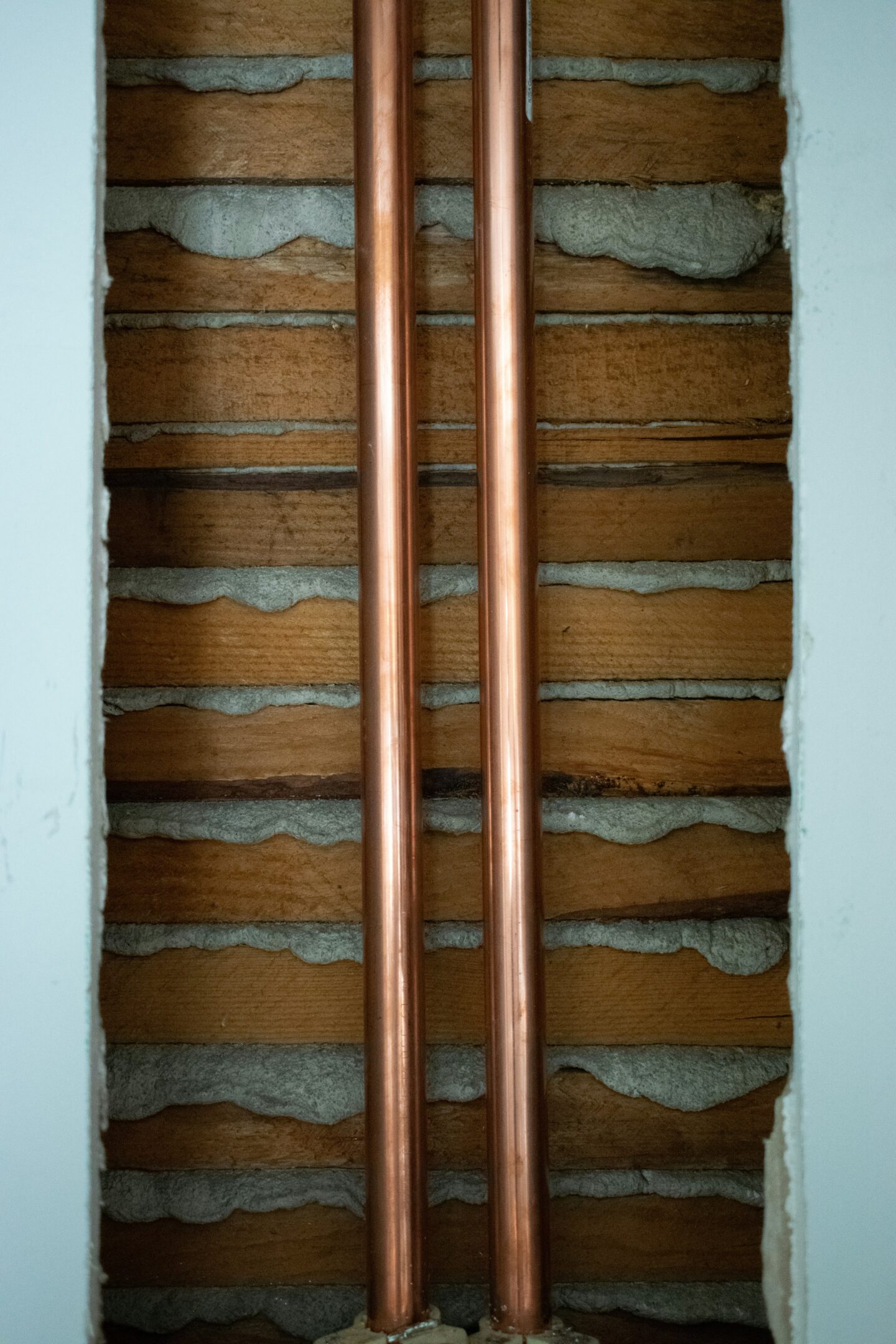
Copper has been used in residential plumbing for decades and is still valued for its durability, rigidity, and professional appearance. It is commonly used for water supply lines, especially in areas where a more traditional or code-familiar material is preferred.
Copper is strong and performs well in many residential water supply applications. It is also more rigid than PEX, which can be useful in exposed or neatly arranged mechanical areas. However, that rigidity can make it harder to install in tight renovation spaces.
The most traditional copper connection method is soldering, also called sweating. This requires cleaning the pipe and fitting, applying flux, heating the joint, and applying solder. For beginners, soldering can be intimidating because it involves an open flame and a higher skill level. Press fittings are another option in some systems, but they require a compatible press tool.
DIY difficulty for copper is usually higher than PEX. It requires more precision, more tools, and more experience to make reliable connections. Copper can still be a great choice, but homeowners should be realistic about whether the installation is suitable for DIY or better handled by a licensed plumber.
PVC: Best for Drain, Waste, And Vent Applications
PVC is different from PEX and copper because it is usually not used for indoor hot and cold water supply lines. Instead, PVC is commonly used for drain, waste, and vent systems, often called DWV plumbing. This includes bathroom drains, sink drains, vent pipes, and some other non-pressure drainage applications.
PVC is lightweight, affordable, and relatively easy to cut. It is usually joined using primer and solvent cement, which chemically bonds the pipe and fitting together. Common PVC fittings include elbows, tees, couplings, adapters, and wyes. In renovation projects, PVC often becomes important when moving a sink, adding a bathroom, updating a laundry drain, or changing the drainage layout.
Although PVC may seem simple, drain plumbing still requires proper slope, venting, pipe sizing, and fitting orientation. A drain line is not just about connecting parts together. If the slope is wrong or the fitting type is incorrect, the system may drain poorly or create future problems.
For DIY difficulty, PVC is often easier than copper, but planning matters. Beginners should pay close attention to whether they are working on water supply or drain lines. PVC drain fittings and pressure pipe fittings are not the same thing, and using the wrong type can create issues.
Water Supply Vs. Drain Applications
One of the biggest mistakes beginners make is choosing pipe based only on size or appearance. The first question should be: is this for water supply or drainage?
PEX and copper are commonly used for pressurized water supply lines. These lines carry hot and cold water to fixtures such as sinks, showers, toilets, dishwashers, washing machines, and ice makers.
PVC is commonly used for drain, waste, and vent systems. These pipes remove wastewater and allow air movement through the plumbing system. They are not usually the right choice for standard indoor potable water supply in a home renovation.
This distinction is important because each system has different connection methods, pressure requirements, and code considerations.
Compatibility Matters Before You Buy
Before ordering materials, check the existing pipe type, pipe size, connection style, and application. A 1/2-inch water supply fitting is very different from a 1/2-inch drain-related fitting. Threaded, compression, sweat, crimp, clamp, expansion, socket, and hub connections all serve different purposes.
It is also important to confirm whether you need adapters. Many renovation projects involve connecting new materials to older plumbing. For example, you may need to transition from copper to PEX, or connect a new fixture supply line to an existing valve. Planning those transitions early can prevent last-minute supply problems.
For homeowners and DIY renovators, suppliers such as PlumbingSell can be useful for comparing product types, connection options, and common plumbing parts before starting the project.
Final Thoughts
PEX, copper, and PVC all have a place in home renovation, but they are used for different jobs. PEX is flexible and useful for many water supply updates. Copper is durable and traditional, but usually requires more installation skill. PVC is a practical choice for many drain, waste, and vent applications.
The best material depends on the location, purpose, existing plumbing, local code, and your comfort level with the installation method. Before starting a renovation, take time to identify the system you are working on, confirm pipe sizes and connection types, and order the right parts early. Good plumbing planning can save time, reduce mistakes, and help your renovation move forward with fewer delays.
Thanks for stopping by!
Magda
xoxo
<3