The idea that we can achieve a zero-stress existence is a dangerous myth that actually increases our anxiety. When we believe we shouldn’t be stressed we feel like we are failing every time our heart rate increases. Psychologists distinguish between eustress which is positive and motivating pressure and distress which is the paralyzing feeling of being overwhelmed. Stress is simply a signal that something we care about is at stake.
Instead of fighting the feeling we should aim for stress fluency. This is the ability to recognize stress and move through it without letting it take the driver’s seat. Many people searching for a way to build this skill look for a Liven app review to see how others have transitioned from reactive to proactive mentalities. A typical app review might mention how science-based check-ins help users reframe their daily pressure as manageable data points rather than catastrophic events. When you accept that stress is a natural part of a meaningful life it loses its power to terrify you.
The Anatomy Of A Trigger
To manage stress you have to understand what is happening inside your head. When you encounter a perceived threat your brain undergoes what is known as an Amygdala Hijack. The amygdala is the emotional alarm system of the brain. When it senses danger it shuts down the prefrontal cortex which is the part of your brain responsible for logic and problem-solving. This is why you can’t think clearly when you are angry or panicked.
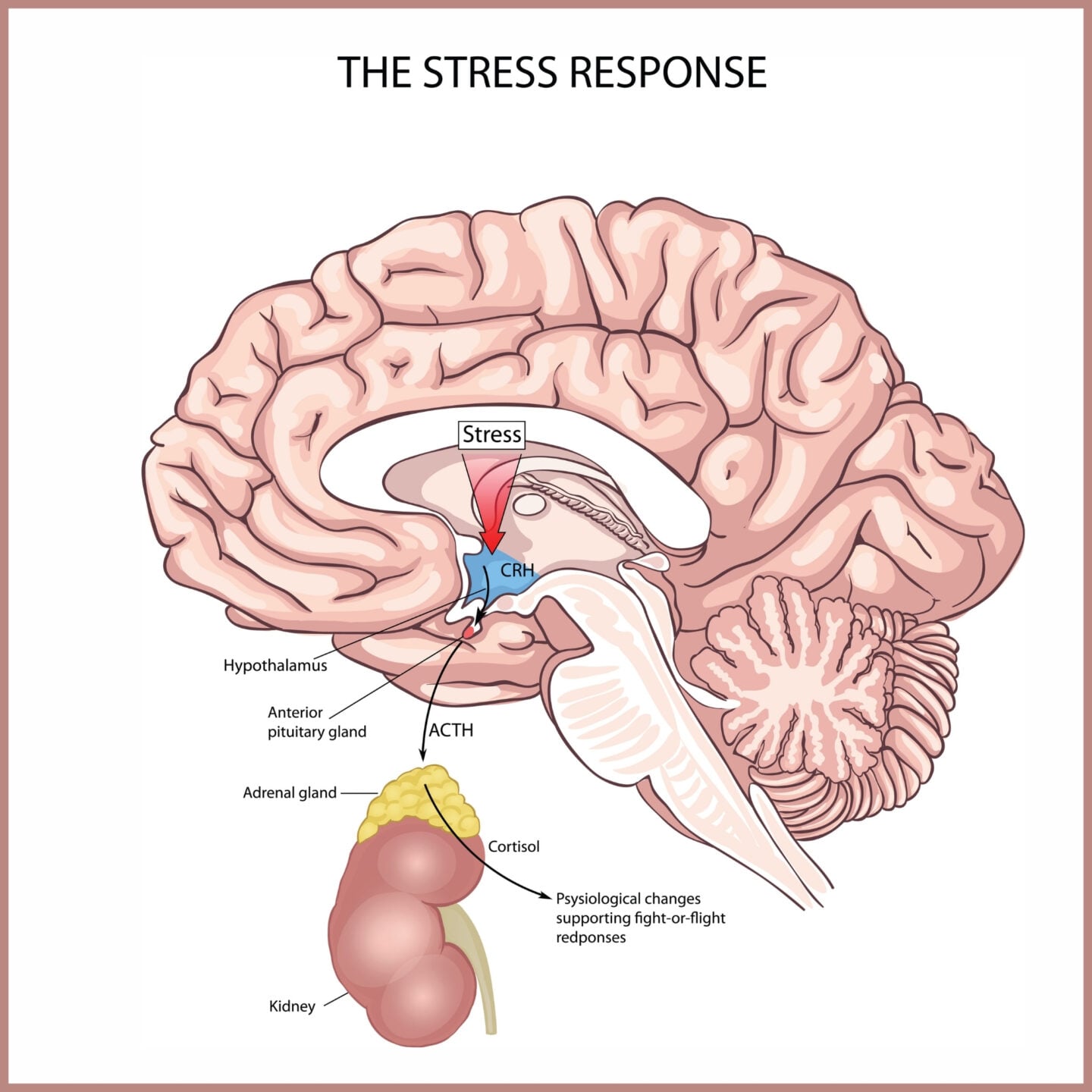
The secret to stopping a hijack is to catch your early warning signs. Stress always leaves a physical trail before it becomes a mental explosion. Maybe your speech becomes faster or your chest feels tight or you start tapping your foot. By noticing these somatic markers early you can intervene with logic before the amygdala takes full control. You move from being the victim of a biological reflex to being the observer of a physical sensation.
Mindfulness In Motion (The 60-Second Reset)
Many people think mindfulness requires a quiet room and a yoga mat but real-life mindfulness is designed for the grocery store line and the boardroom. When you are in the middle of a crisis you need tools that work in sixty seconds or less. This is active mindfulness.
The most effective tool is Box Breathing. You inhale for four seconds and hold for four and exhale for four and hold for four. This rhythm forces your heart rate to slow down and signals to your nervous system that there is no immediate physical danger. Another powerful technique is the Object Focus. Instead of drowning in your thoughts, pick one physical object in the room and describe its texture and color and weight to yourself. This simple shift moves your brain from internal rumination back to external reality. These micro-breaks prevent stress from stacking up throughout the day.
Rewiring The “What If” Brain
Most of our stress isn’t caused by what is happening right now but by our “What if” brain. We live in a future of potential disasters. This is called circular rumination and it is an enormous drain on your mental energy. To break this habit you must practice cognitive reframing.
When you catch yourself spiraling into the future ask yourself: Is this a productive worry? A productive worry leads to an action plan. If you are worried about a presentation you can practice it. An unproductive worry is a loop that has no exit. Reframing means shifting your focus from “What if everything goes wrong?” to “What is one thing I can control at this moment?” This anchors you in the present and replaces vague anxiety with concrete action.

Creating A “Stress-Resistant” Environment
While mindfulness is an internal tool we can also make external adjustments to lower our baseline stress. This starts with decision hygiene. Every choice you make from what to wear to what to eat for lunch uses up a small amount of your mental fuel. By the end of the day you have “decision fatigue” which makes everything feel more stressful than it is.
Simplify your environment to protect your brain. Automate your small decisions and curate your workspace. More importantly, perform a “notification fast.” Our brains were not designed to be interrupted dozens of times an hour by pings and buzzes. Every notification is a micro-stressor that keeps your amygdala on low-grade alert. By silencing the noise you create a physical sanctuary that signals safety to your brain.
Integration And The 1% Rule
Mindfulness is not a destination but a muscle that grows with small daily repetitions. You don’t need to change your entire life overnight to see a difference. This is the 1% Rule. If you can be just one percent more present today than you were yesterday the results will compound over time. Maybe today you just take three deep breaths before opening your laptop. Tomorrow maybe you eat your lunch without looking at your phone.
Real-world mindfulness begins by accepting that stress is a natural signal rather than a failure. By understanding the anatomy of an amygdala hijack and using sixty-second resets like box breathing you can regain control of your nervous system. Rewiring your “What if” brain through cognitive reframing and cleaning up your decision hygiene reduces your daily mental load. Ultimately staying grounded is about small consistent shifts that build long-term resilience. You are the architect of your own internal atmosphere and every mindful moment is a brick in the foundation of your peace.
Thanks for stopping by!
Magda
xoxo
This article is provided for general informational purposes only and does not constitute medical or mental health advice. If you have concerns about your mental health or wellbeing, please consult a qualified healthcare professional.
<3