Swiss watchmaking carries a reputation that can make it feel out of reach, as though the words on the dial automatically come with a punishing price. That reputation is only half true, and the brands that bridge the gap deserve more attention than they get. Anyone curious about where genuine Swiss heritage meets a sensible budget will find that exploring Tissot watches is an easy place to begin. The house has been making watches since the 1850s while keeping its pieces within reach of ordinary buyers. So what does Swiss made actually guarantee, and how do you spend wisely inside the range?
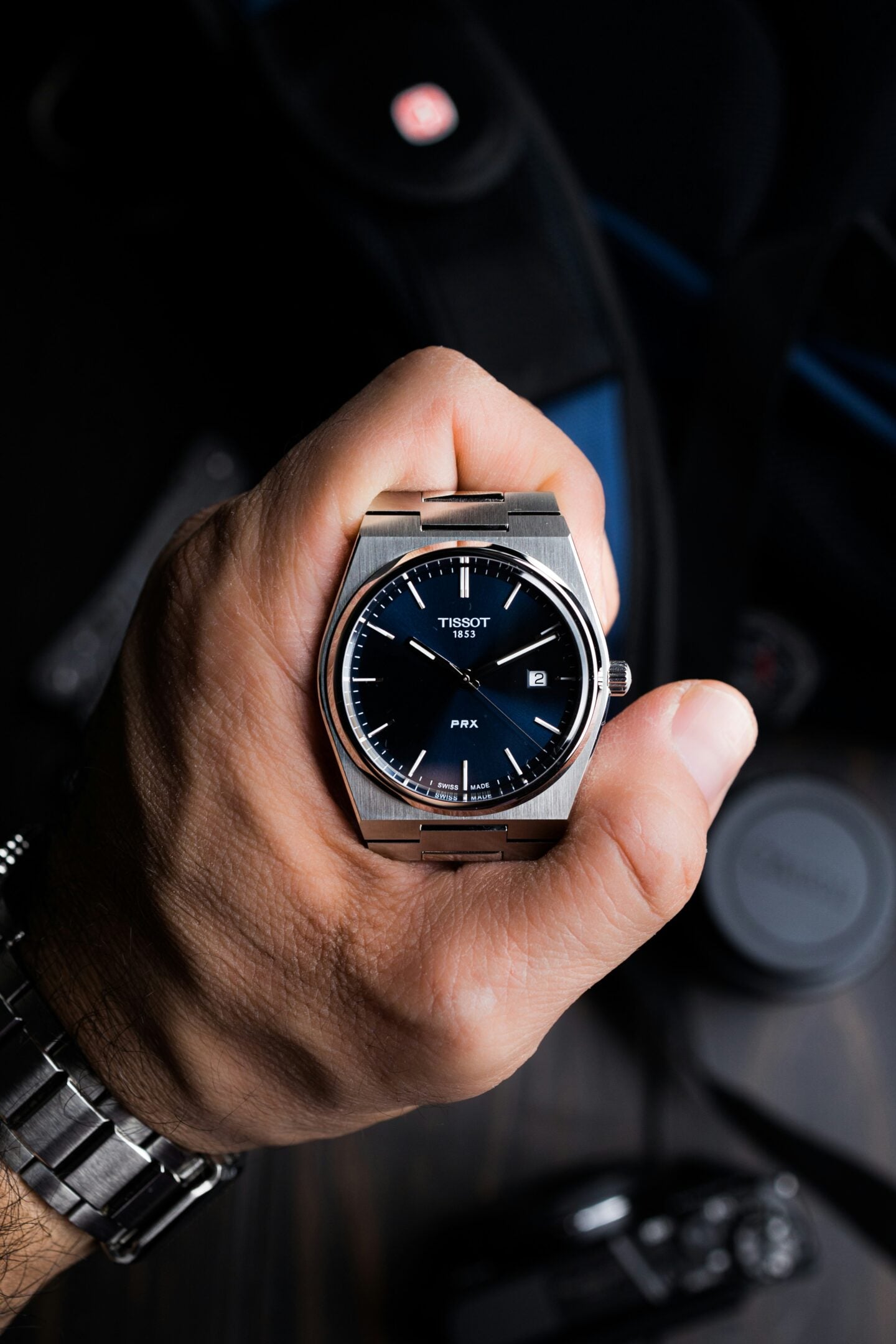
What Swiss Made Really Promises
The Swiss made label is not decoration. It comes with legal requirements about where the movement is produced and assembled and what share of the value is generated in Switzerland. That framework is why the phrase still carries weight, and why a Swiss watch at an accessible price is more impressive than it first appears.
Tissot sits inside the same larger group as some of the most respected names in the industry, which gives it access to shared technology and manufacturing know-how. The result is a watch that borrows from serious watchmaking rather than merely imitating its look.
Finding The Right Piece For Your Wrist And Your Week
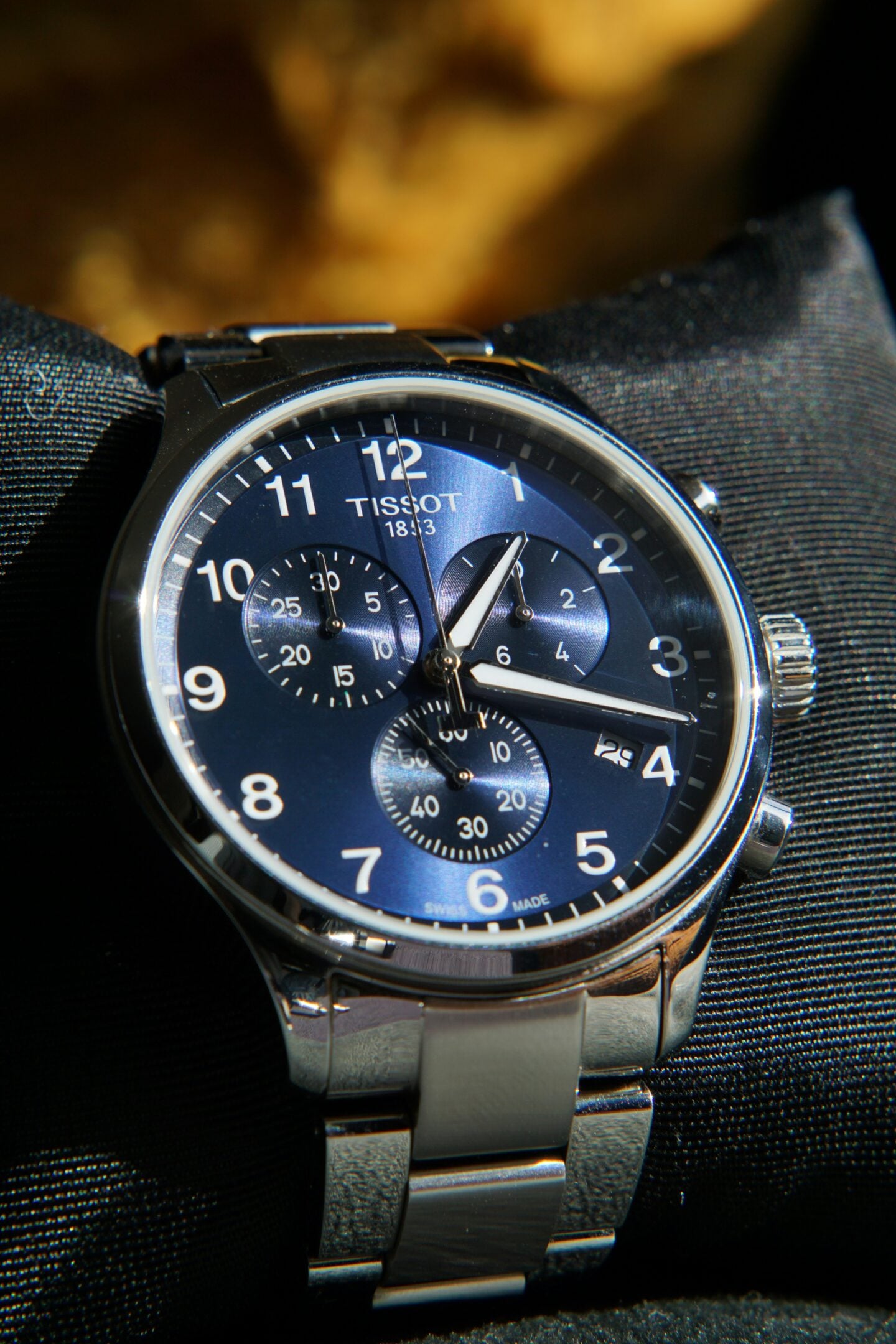
The range is broad enough that the honest first step is narrowing it down to how you live. A few questions make the choice far simpler:
- Do you want a dress watch for the office and evenings, or something you can wear hiking and swimming?
- Do you prefer the low maintenance of quartz or the craft of a self-winding mechanical movement?
- Does a leather strap suit your style, or would a steel bracelet earn more wear?
Answering those before you browse keeps you from being dazzled by a model that looks striking online but does not fit your everyday life.
Quartz Or Mechanical, And Why It Matters
The choice between quartz and mechanical is less about status than about how you want to live with the watch. Quartz runs on a battery, keeps excellent time and asks almost nothing of you beyond an occasional battery change. A mechanical movement, wound by the motion of your wrist or by hand, offers the craft and the gentle sweep of the seconds hand that enthusiasts love.
Neither is better in the abstract. A frequent traveller who wants grab-and-go reliability may prefer quartz, while someone who enjoys the ritual of a watch will lean mechanical. Knowing your own preference spares you from paying for features you will not use.
The Details That Separate Value From Bargain
A watch can be affordable and still be well built, and a handful of markers tell you which is which. Sapphire crystal resists scratches far better than cheaper glass, a screwed or well-sealed case back supports water resistance, and a solid bracelet with a smooth clasp signals care in the finishing.
These are the points worth checking before the colour of the dial wins you over. A considered watch bought on these terms tends to still look right in five years, which is the truest test of value.
Buying Swiss With A Clear Head
Owning a Swiss watch does not have to mean stretching a budget to breaking point. Understand what the Swiss made label guarantees, match the piece to how you genuinely spend your days, choose between quartz and mechanical on your own terms, and check the details that mark real quality. Approach it that way and you walk away with a watch that carries decades of heritage on the dial and none of the buyer’s remorse on the receipt.
Thanks for stopping by!
Magda
xoxo
<3